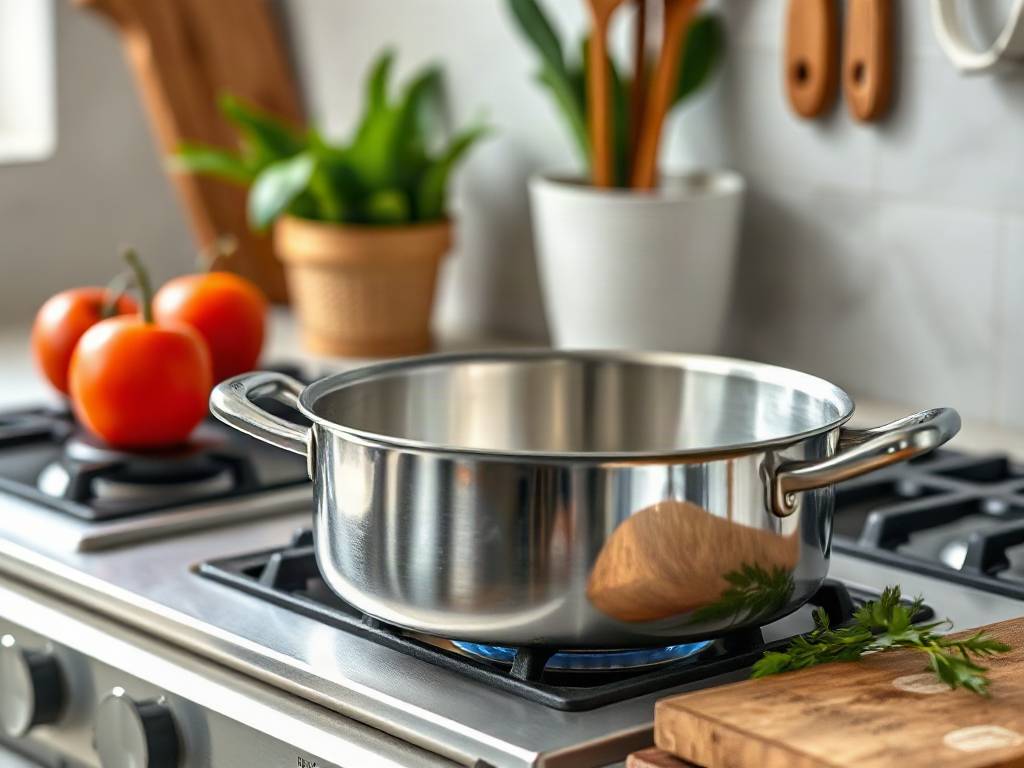
Avoid overheating cookware by matching burner power to the pan, preheating only briefly, adding food or fat before an empty pan becomes intensely hot, and lowering the flame once the surface reaches cooking temperature. Thin pans heat rapidly and develop hot spots, while heavy or induction-compatible cookware may continue releasing heat after the control is reduced. Watch for smoking oil, discoloration, a sharp burnt smell, or food browning before it has cooked through. Never cool a very hot pan under cold water, and follow the manufacturer’s limits for nonstick coatings, enamel, and other finishes.
Why Cookware Overheats
Cookware overheats when the burner supplies more energy than the food, liquid, or pan surface can absorb and distribute. A dry pan left over high heat is the clearest example: the metal temperature keeps rising even though nothing is present to moderate it. Oil can then smoke, food can char before the center cooks, and sensitive finishes may deteriorate.
Pan construction changes how quickly this happens. A thin stainless-steel skillet responds rapidly to a burner but may develop hotter areas directly above the flame. A heavy cast-iron or multilayer pan warms more slowly and stores substantial heat, so reducing the setting does not produce an immediate temperature drop. Induction cooking adds another variable because compatible pans can heat very quickly when the power level is high.
Some suggestions to consider!

Now retrieving an image set.
HexClad Hybrid Nonstick 6 Pc Pot Set & Trivets, 2, 3, and 8-Qt Pots & Lids | Stay-Cool Handles, Dishwasher and Oven Safe, Compatible with All Cooktops, Induction REady
$299.00 (as of October 7, 2026 19:05 GMT +00:00 - More infoProduct prices and availability are accurate as of the date/time indicated and are subject to change. Any price and availability information displayed on [relevant Amazon Site(s), as applicable] at the time of purchase will apply to the purchase of this product.)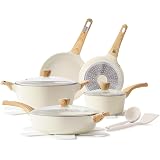
Now retrieving an image set.
SENSARTE Ceramic Cookware Sets, Pots and Pans Set Non stick, 14 Piece Induction Cookware, Non toxic Healthy Non Stick Kitchen Cooking Set, with Frying Pans Set, PFAS PTFE PFOA PFOS Free
$72.19 (as of October 7, 2026 19:05 GMT +00:00 - More infoProduct prices and availability are accurate as of the date/time indicated and are subject to change. Any price and availability information displayed on [relevant Amazon Site(s), as applicable] at the time of purchase will apply to the purchase of this product.)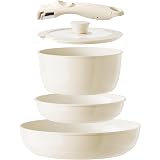
Now retrieving an image set.
Redchef Ceramic Pots and Pans Set Non Stick, Detachable Cookware Set 5 Pcs | Non Toxic Induction Compatible, Dishwasher & Oven Safe, Space Saving, PTFE Free, Camping/RV/Traveling, Reliable Gift
$34.19 (as of October 7, 2026 19:05 GMT +00:00 - More infoProduct prices and availability are accurate as of the date/time indicated and are subject to change. Any price and availability information displayed on [relevant Amazon Site(s), as applicable] at the time of purchase will apply to the purchase of this product.)Size and contact matter as well. A small pan on a large gas flame can expose its sides and base to excessive heat, while a warped pan may make uneven contact with an electric or induction surface. Covering a pan can also change the cooking balance: steam may soften food, but a dry covered pan can still become dangerously hot if the burner remains high.
A useful rule is to judge the pan by its response rather than by a fixed dial number. If butter browns immediately, oil smokes before ingredients are added, or one part of a pancake darkens much faster than another, the cookware is receiving more heat than the task requires. The internal reference how to avoid overheating cookware is most useful when applied to these observable conditions, not treated as a single universal setting.
Control Burner Power and Preheating
Begin with moderate heat unless the recipe specifically requires a high-temperature sear. Set the pan on the correctly sized burner, give it a short preheat, and add the cooking fat or ingredients before the empty surface becomes intensely hot. The exact timing depends on pan thickness, stove type, food quantity, and starting temperature, so a visual check is more reliable than a timer alone.
High heat is sometimes appropriate for boiling water or quickly browning a sturdy cut of meat, but it is a poor default for sautéing garlic, warming tortillas, melting butter, or cooking delicate fish. Those foods can burn on the contact surface while the upper portion remains undercooked. Medium heat often gives the cook enough energy to build browning gradually, allowing adjustments before the exterior becomes black.
Use a smaller burner for a smaller vessel and keep the flame below the pan base rather than climbing the sides. On an electric or induction cooktop, reduce power before the food reaches its final stage because the cooking surface and pan may retain heat. Moving the pan to a cool burner can work faster than merely lowering the control, especially with cast iron or thick stainless steel.
A compact operating check helps prevent avoidable mistakes:
- Confirm that the pan base sits flat and matches the heating zone.
- Preheat briefly at a moderate setting rather than leaving an empty pan unattended.
- Add food when the fat looks fluid and glossy, not when it is smoking.
- Lower the burner when browning accelerates or the pan begins to smell scorched.
- Keep a lid nearby for small flare-ups, but do not use water on burning oil.
The common mistake is assuming that a higher setting makes cooking more efficient. It often shortens the window for correction instead. A slower heat-up may add a little time, but it gives ingredients room to release moisture and develop color without carbonizing the surface.
Recognize Warning Signs While Cooking
Smoking oil is a clear signal that the pan or fat is hotter than the current cooking task needs. Different fats smoke at different temperatures, so the appearance of smoke should be treated as a practical warning rather than a precise thermometer reading. Remove the pan from the burner or reduce the heat, then allow it to settle before adding ingredients.
Other signs appear in the food. A steak that blackens at the edges while remaining cool in the center may be encountering excessive surface heat or insufficient cooking time at a lower setting. Pancakes with dark rings and pale centers often indicate uneven burner contact or a pan that has accumulated too much heat between batches. Onions that turn bitter before softening have likely been exposed to more heat than their moisture can manage.
Watch the cookware itself. A sharp smell, visible discoloration, bubbling residue, a warped base, or a coating that looks dull or blistered should not be dismissed as normal seasoning. Handles and lids can also become hotter than expected when a flame reaches beyond the base. Use dry, heat-resistant protection when moving a hot vessel, and remember that a pan may remain hazardous after the burner is off.
Temperature tools can help with repeatable work, but they are not mandatory for ordinary meals. A surface thermometer is useful when testing a griddle or troubleshooting uneven browning; it is less useful if it encourages false precision across different materials. The practical test is whether food browns at a controlled pace, whether the pan recovers heat without smoking, and whether the result is cooked through rather than merely dark outside.
Do not rely on adding cold food to rescue an overheated pan. A large quantity may cool the surface abruptly in one area while leaving another area scorching, producing uneven results and splatter. Removing the pan from heat, waiting briefly, and then restarting at a lower setting is usually more controlled.
Protect Different Pan Materials
Material affects both overheating risk and the consequences of a mistake. Bare cast iron tolerates substantial heat, but repeated extreme heating can damage seasoning, burn residue onto the surface, and make the pan difficult to handle. Enameled cast iron should be treated more cautiously because thermal shock and severe heating can harm the enamel. Its ability to retain heat is valuable for braising, but it rewards gradual temperature changes.
Nonstick cookware deserves conservative heat management. The coating is intended to reduce sticking, not to turn the pan into a high-heat searing tool. Follow the product instructions, avoid leaving it empty over a burner, and replace it if the coating is peeling or badly damaged. A stainless-steel skillet is more forgiving for high-heat browning, yet its thin versions can still scorch oil or create hot spots when used on a large burner.
Aluminum heats quickly and distributes heat well in many designs, but an exposed lightweight pan can react sharply to burner changes. Copper responds even faster and requires active control. Neither material should be judged solely by its reputation for performance; thickness, cladding, surface treatment, and the stove all affect behavior.
Choose the pan according to the job. Use a broad, heavy vessel when you need stable heat for searing several pieces, but allow extra time for it to warm and cool. Choose a lighter pan when quick adjustments matter, while lowering the burner earlier. A common misconception is that heavier automatically means safer. Weight can reduce temperature swings during cooking, but it can also conceal stored heat and make an overheated pan remain dangerous long after the control is turned down.
Care instructions are part of heat control. Avoid thermal shock, follow the manufacturer’s maximum-temperature guidance, and do not assume that a lid, silicone handle, or oven-safe label permits every stovetop use. If you are comparing options before buying, the internal page how to avoid overheating cookware can be paired with the manufacturer’s care sheet for the specific construction and finish.
Recover Safely From an Overheated Pan
Respond to overheating by removing the pan from the heat and keeping it stable on a heat-resistant surface. If oil is smoking but has not ignited, turn off the burner and let it cool. Never pour water into hot oil; water can flash into steam and spread burning oil. If a grease fire occurs, keep the lid nearby, turn off the heat if it is safe to do so, and use an appropriate fire-safety response rather than carrying the pan through the kitchen.
Do not place a very hot metal or enamel pan under cold running water. The sudden temperature change can stress the material, distort the base, or damage a finish. Let it cool naturally, then clean residue according to the care instructions. Burnt food may loosen after soaking, but aggressive scraping or abrasive pads can create a new problem on coated or polished surfaces.
After the pan cools, inspect the cooking surface and base. A little brown residue may be removable; persistent warping, flaking coating, cracks, or a loose handle are reasons to stop using the pan until its condition is clear. A warped base can rock, heat unevenly, and increase the chance of another overheating event.
For future cooking, identify the trigger rather than simply lowering every meal to the lowest setting. The cause may have been an oversized burner, an empty preheat, a batch that was too small for the pan, delayed heat reduction, or a heavy vessel that continued releasing stored energy. The right correction depends on that cause. The companion topic how to avoid overheating cookware is best used as a repeatable check before the next cooking session, not only after damage occurs.
For pan-specific temperature limits and cleaning methods, consult the manufacturer’s official care documentation for the exact cookware model. Fire-safety guidance from a local fire department or recognized fire-safety organization is also more appropriate than improvising if cooking oil ignites.
Frequently Asked Questions
What burner setting prevents cookware from overheating?
No single setting works for every stove or pan. Start at medium or lower, observe how quickly the food browns, and reduce power before oil smokes or the pan continues intensifying after the food is added.
Can an empty pan overheat?
Yes. Without food, liquid, or fat to absorb energy, the pan temperature can rise quickly, especially on high heat. Avoid leaving empty cookware unattended during preheating.
Should I cool an overheated pan with water?
No. Cold water can cause thermal shock, splatter hot grease, or damage enamel and other finishes. Turn off the heat, move the pan only if safe, and let it cool naturally.
Why does a heavy pan stay hot after the burner is lowered?
Heavy cookware stores more thermal energy than thin cookware. Lower the heat earlier, move the pan to a cool burner when appropriate, and account for continued cooking after the control changes.
Is smoking oil proof that a pan is ruined?
Not necessarily. Smoking indicates excessive heat for the oil, but the pan may remain usable after cooling and proper cleaning. Inspect for warping, damaged coating, cracks, or persistent discoloration before using it again.
Conclusion
Preventing overheated cookware comes down to managing energy before the pan gets beyond your control. Match the burner to the base, preheat briefly, use moderate power for delicate foods, and lower the setting earlier with heavy or highly conductive pans. Treat smoke, rapid darkening, unusual odors, and damaged finishes as signals to pause rather than obstacles to work around. If a pan becomes too hot, remove it from heat, keep water away from hot oil, and allow it to cool without thermal shock. Check the cookware afterward and adjust the specific cause—burner size, preheating time, batch size, or delayed heat reduction—before cooking again.