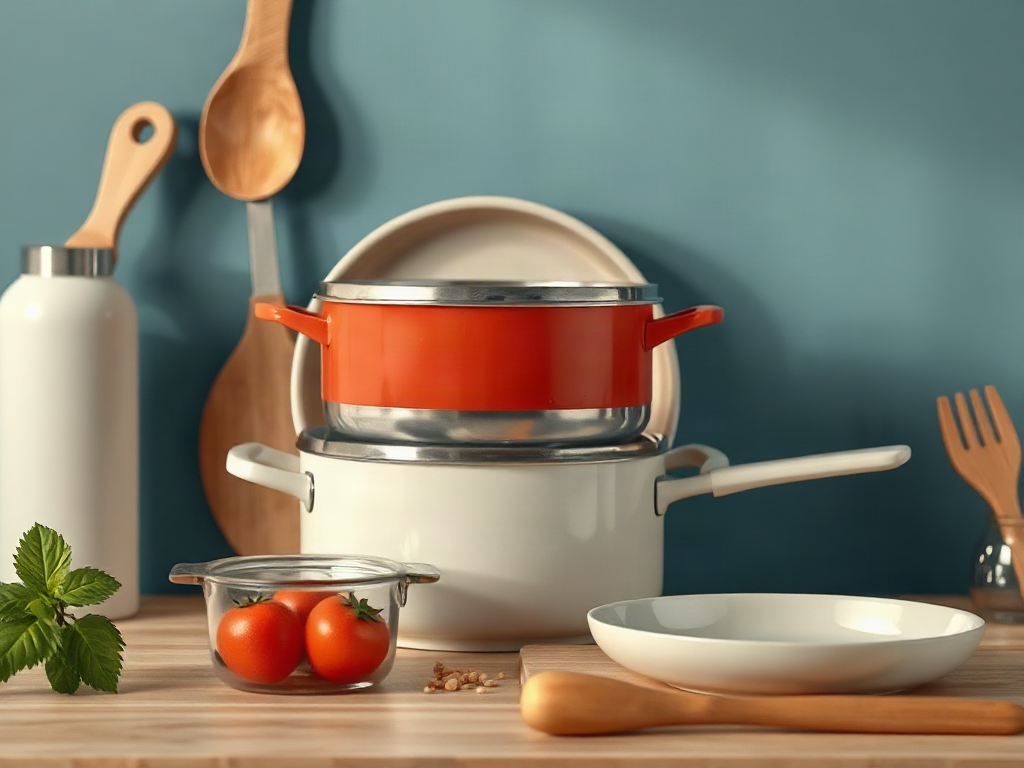
Recognize cookware that is easy to store by checking whether the pieces nest without wobbling, handles align within a compact footprint, and lids stack or mount separately without…
Cookware
Posted on:
The Benefits of Using Cookware With Built-In Thermometers
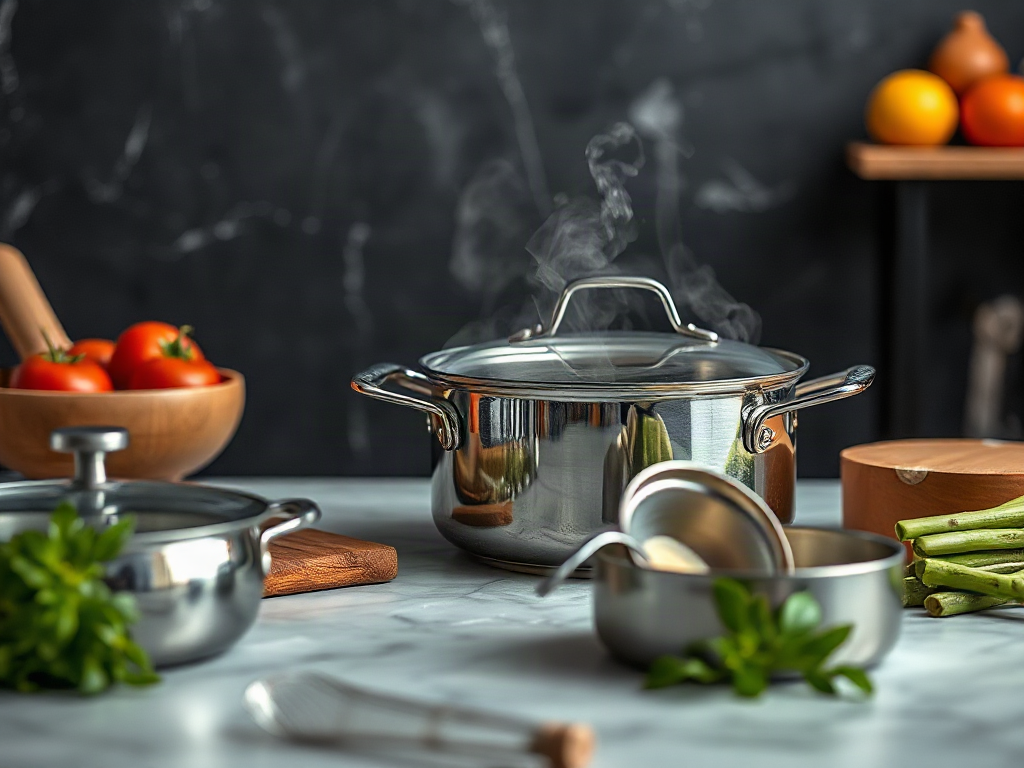
Cookware with built-in thermometers improves temperature awareness by showing heat conditions without requiring a separate handheld tool, which can make simmering, roasting, frying, and covered cooking more repeatable.…
Cookware
Posted on:
How to Select Cookware for Meal Prep Efficiency: Workflow Plan
Select cookware for meal prep efficiency by matching vessel capacity, cooking surface, heat response, and cleanup demands to the meals you prepare most often. Prioritize a wide sauté…
Cookware
Posted on:
The Significance of Cookware in Food Presentation at the Table
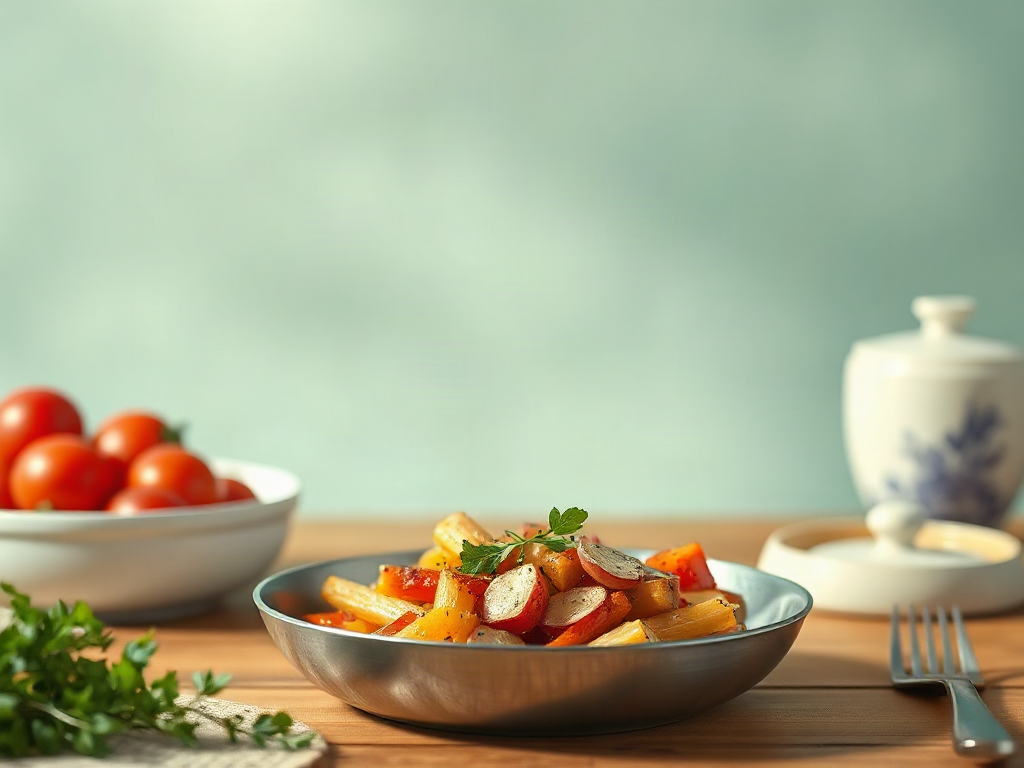
Cookware shapes food presentation at the table by controlling color contrast, serving temperature, portion visibility, and the transition from kitchen to diner. A dark skillet can emphasize golden…
Cookware & Bakeware
Posted on:
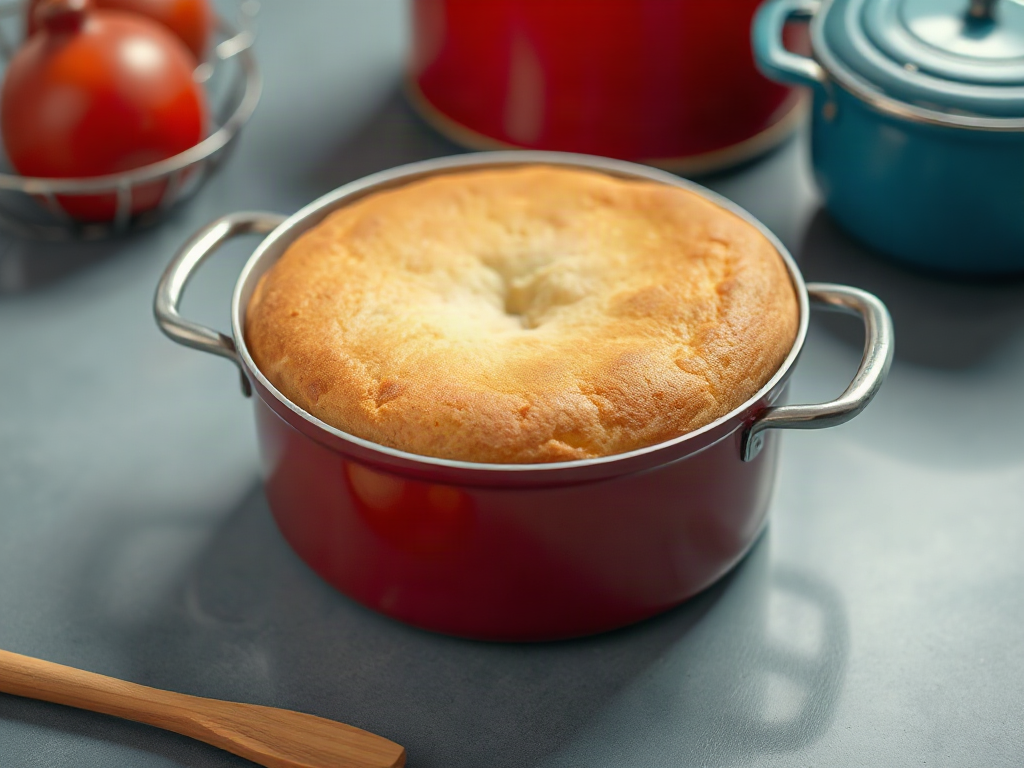
How to Evaluate Cookware for Baking Performance: Test Checklist
Evaluate cookware for baking performance by checking its material, wall thickness, color, shape, and ability to distribute oven heat without warping or creating scorched edges. Test each pan…
Cookware
Posted on:
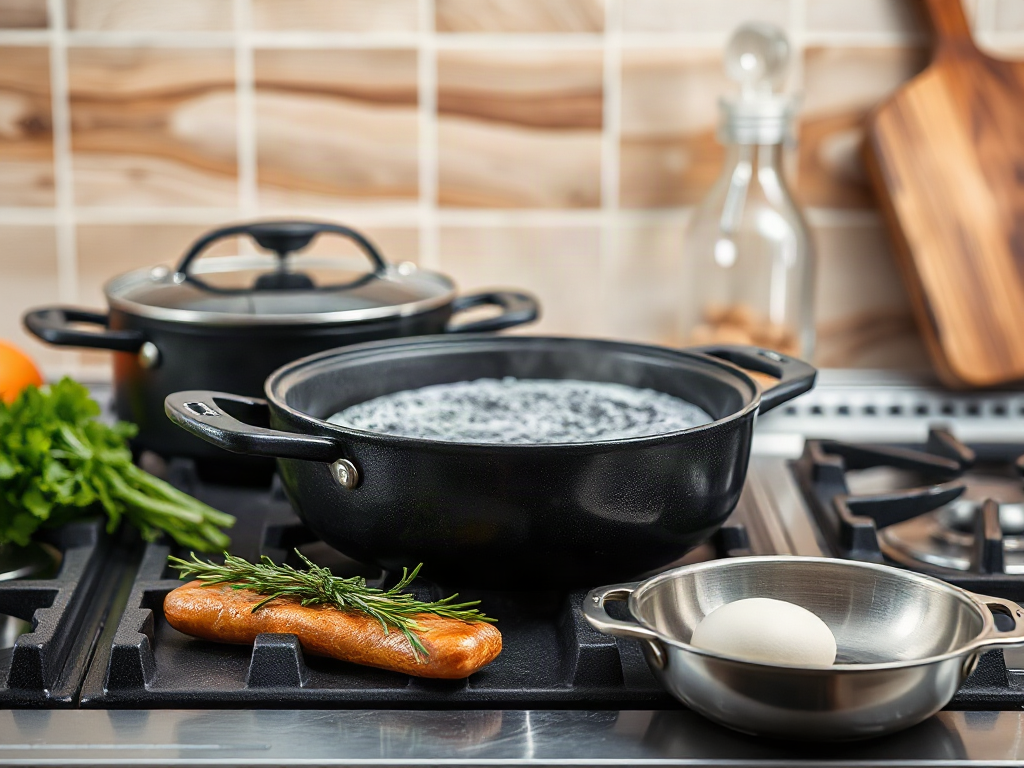
The Importance of Matching Cookware to Stovetop Type
Matching cookware to stovetop type matters because pan material, base shape, burner contact, and magnetic compatibility determine how efficiently and evenly heat reaches food. Induction requires a flat,…
Cookware
Posted on:
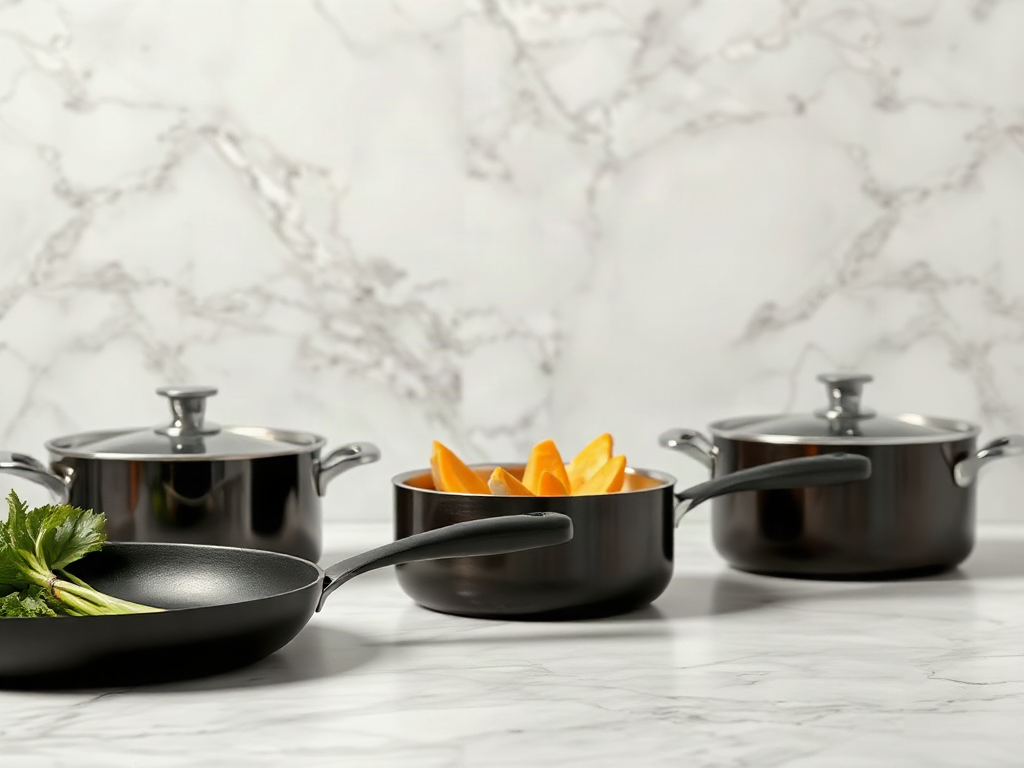
How to Identify Cookware That Enhances Flavor Profiles
Identify cookware that enhances flavor profiles by matching its material, heat response, surface, and shape to the browning, reduction, or gentle cooking your food needs. Thick stainless steel…
Cookware
Posted on:
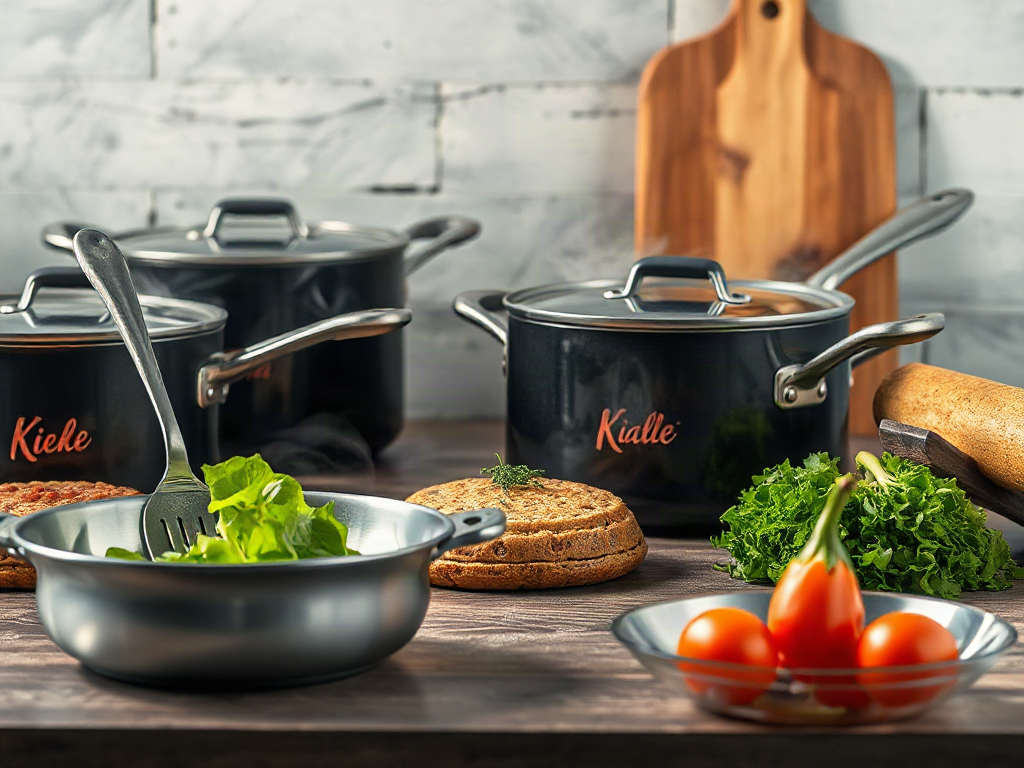
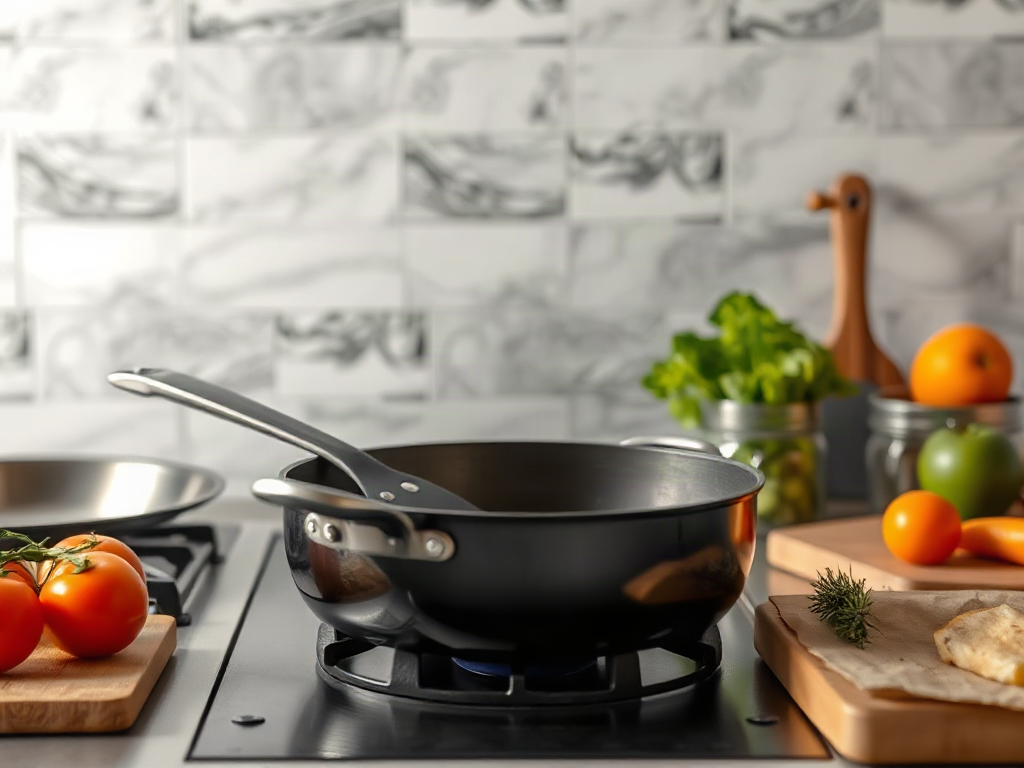
The Role of Cookware Design in the User Experience
Cookware design shapes the user experience by determining how evenly heat spreads, how securely a vessel can be lifted, how easily food releases, and how much effort cleanup…
Cookware
Posted on:
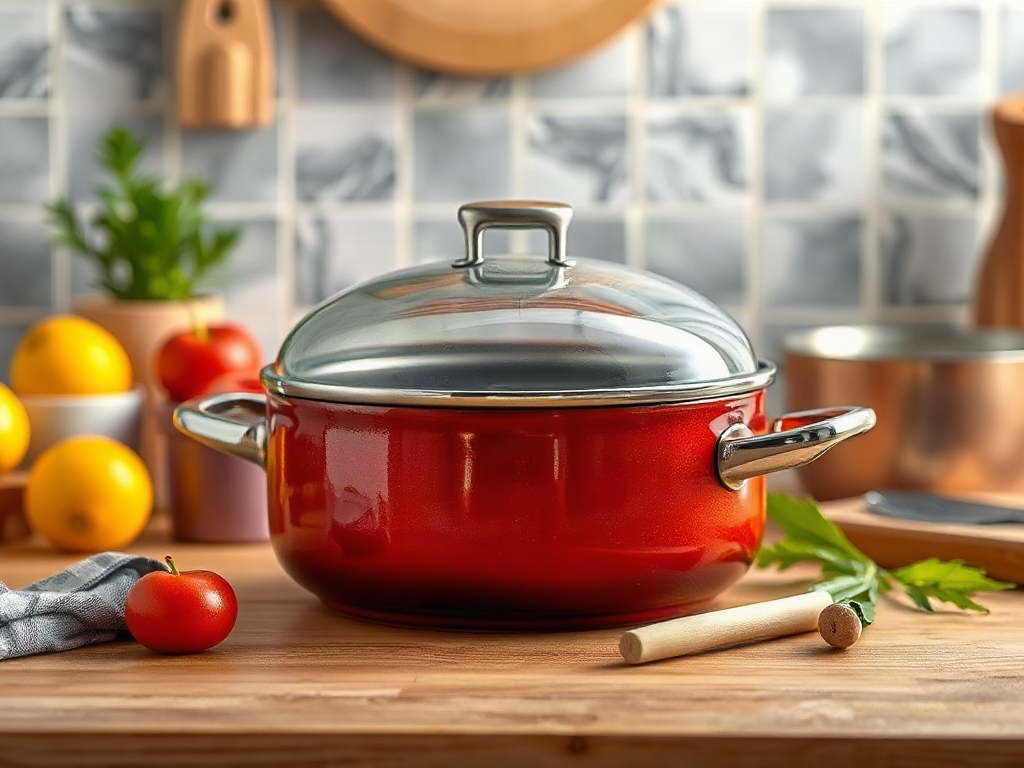
How to Choose Cookware Based on Heat Source: What Works
Choose cookware based on heat source by matching the pan’s base, material, and temperature tolerance to the way the cooktop transfers energy. Induction requires a flat magnetic base,…
Cleaning and Maintenance / Cookware
Posted on:
Evaluating Cookware for Easy Cleaning Before You Buy
Evaluate cookware for easy cleaning by inspecting the cooking surface, rivets, rim, handle joints, exterior finish, and care requirements before buying. A smooth interior with few seams gives…