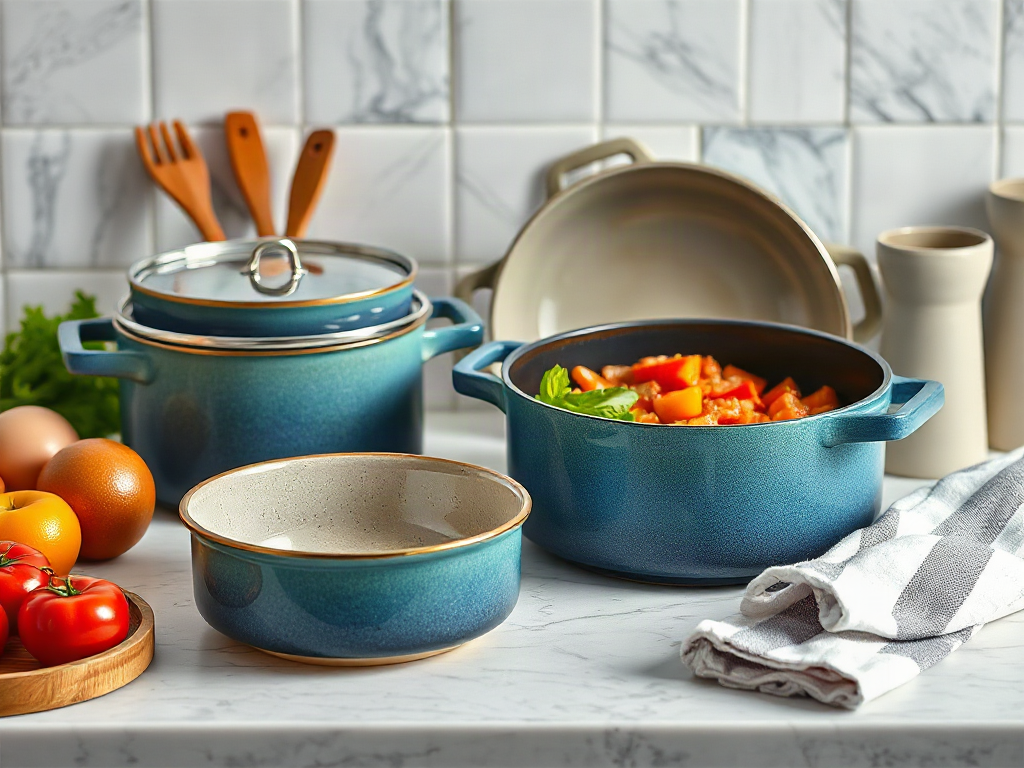
The benefits of using ceramic cookware include easier food release, simpler cleanup, gradual heat handling, and reduced dependence on heavy amounts of cooking fat when the surface is intact and used correctly. Ceramic-coated pans are especially practical for eggs, pancakes, fish, and vegetables because their smooth finish helps delicate foods lift without aggressive scraping. They are not automatically nonstick forever: high heat, metal utensils, abrasive cleaners, and empty preheating can shorten the coating’s useful life. Solid ceramic pieces handle heat differently and may retain warmth well, but they can be heavier and more vulnerable to impact. The best choice depends on the construction, stovetop, cooking habits, and care instructions.
What Makes Ceramic Cookware Useful in Daily Cooking
Ceramic cookware is not one single material. The phrase usually describes either metal pans with a ceramic-based nonstick coating or vessels made primarily from ceramic. That distinction affects nearly every claimed benefit, including heat response, weight, durability, and cleaning. A ceramic-coated aluminum skillet, for instance, may heat quickly and feel light, while a thick ceramic baking dish warms more gradually and retains heat longer.
The most noticeable advantage for everyday users is the smooth cooking surface. Eggs, crepes, tofu, and flaky fish are less likely to bond tightly to a clean, undamaged ceramic coating than to an uncoated stainless-steel surface. That does not mean food will never stick. Temperature, moisture, the amount of fat, and the condition of the finish still matter. A cool egg placed in a properly warmed pan behaves differently from a sugary sauce left to caramelize on high heat.
Some suggestions to consider!
Now retrieving an image set.
Cuisinart Stainless Steel Pots and Pans Set, Induction Compatible, 12 pc | 12-pc Cuisinart stainless steel cookware set with saucepans, sauté pan, stockpot, & skillets, oven safe to 500°F, MCPS-12N
$191.36 (as of October 7, 2026 19:05 GMT +00:00 - More infoProduct prices and availability are accurate as of the date/time indicated and are subject to change. Any price and availability information displayed on [relevant Amazon Site(s), as applicable] at the time of purchase will apply to the purchase of this product.)
Now retrieving an image set.
CAROTE 20pcs Pots and Pans Set, Nonstick Cookware Sets | Induction Cooking, Ultra Durable, Easy to Clean, Even Heating, All-Stovetop Compatible, PFOA-Free Kitchen Set
$66.48 (as of October 7, 2026 19:05 GMT +00:00 - More infoProduct prices and availability are accurate as of the date/time indicated and are subject to change. Any price and availability information displayed on [relevant Amazon Site(s), as applicable] at the time of purchase will apply to the purchase of this product.)
Now retrieving an image set.
Astercook 19 Pcs Pots and Pans Set Non Stick, Black Titanium Induction Kitchen Cookware Sets, Non toxic Healthy Kitchen Cooking Set with Frying Pans Set, PTFE PFOA PFOS Free, Fathers Day Gift for Men
$75.97 (as of October 7, 2026 19:05 GMT +00:00 - More infoProduct prices and availability are accurate as of the date/time indicated and are subject to change. Any price and availability information displayed on [relevant Amazon Site(s), as applicable] at the time of purchase will apply to the purchase of this product.)Ceramic cookware can also appeal to people who want a pan that transitions from cooking to cleanup with less effort. A soft sponge is often enough for ordinary residue when the pan has been used at moderate heat. By comparison, stainless steel may require deglazing or soaking after browned proteins, while cast iron demands attention to seasoning and drying. Those alternatives remain valuable, particularly for high-heat searing, but ceramic can be more convenient for low- to medium-heat meals.
A weak assumption is that the word ceramic guarantees premium performance. Construction quality varies widely, and a thin coating over a lightweight base may lose its release properties sooner than expected. Before buying, check the manufacturer’s instructions for oven temperature, induction compatibility, utensil limits, and cleaning methods. Those details reveal more about the pan’s practical value than the ceramic label alone. For a broader comparison of material choices, see the benefits of using ceramic cookware in the context of your normal meals rather than as an isolated feature.
Food Release, Lower-Fat Cooking, and Cleanup
Ceramic-coated cookware is most useful when easy food release is the priority. The smooth surface reduces the number of places where proteins and starches can grip the pan, so a small amount of oil or butter may be enough for many recipes. This is particularly helpful for omelets, pancakes, sautéed zucchini, and delicate white fish. The result is not simply cosmetic: food that releases cleanly is less likely to tear, and the pan usually needs less scraping afterward.
Lower-fat cooking should be described carefully. Ceramic cookware does not make a dish healthy by itself, and some foods still need oil to brown properly or prevent sticking. A dry pan can encourage scorching, especially if the burner is stronger than the recipe requires. A thin film of oil often improves both release and browning without turning the meal greasy. The practical benefit is control: the cook can use a modest amount for the recipe instead of adding extra fat to compensate for a rough or worn surface.
Cleanup is another meaningful advantage. Let the pan cool slightly, remove loose food with a soft utensil, and wash it with warm water and a mild dish soap. A nonabrasive sponge usually handles residue from vegetables, grains, or lightly browned proteins. Avoid treating the pan like stainless steel by attacking a stuck patch with steel wool or a harsh scouring powder. Abrasive cleaning can dull or damage the finish, making future sticking more likely.
Consider two weeknight scenarios. A ceramic skillet used for eggs at moderate heat may wipe clean in under a minute. The same skillet used to burn a thick sugar glaze may require soaking, and repeated incidents can shorten the coating’s useful life. The common mistake is judging nonstick performance only by the first few uses. Look instead for whether food releases with ordinary preparation, whether the surface remains smooth, and whether cleanup requires increasing force. If release declines, changing technique before replacing the pan may help: reduce heat, preheat briefly, use suitable oil, and avoid leaving residue to harden.
Heat Behavior, Food Quality, and Cooking Control
Ceramic cookware can provide predictable results when its heat characteristics match the task. Many coated ceramic pans use aluminum or another conductive metal beneath the finish, allowing them to respond quickly to changes in burner power. Solid ceramic cookware generally changes temperature more slowly and can hold warmth well. Neither behavior is universally better; quick response suits sautéing, while heat retention can be useful for casseroles, baked dishes, and serving food at the table.
Moderate heat is usually the safest working range for a ceramic-coated pan. Excessive heat can discolor the surface, damage the coating, or cause food to burn before the pan can be adjusted. A lower setting also gives tender foods more time to cook without a dark crust forming too quickly. For example, salmon can be started skin-side down over moderate heat, while vegetables can be softened without allowing their natural sugars to burn. Stainless steel or cast iron may be preferable when the goal is an intense sear and the recipe depends on a heavily browned surface.
Heat distribution depends more on the pan’s base and construction than on the ceramic finish itself. A broad, flat base generally supports more even contact with the burner, while a very light pan may develop hot spots. Place the pan on a burner that matches its diameter instead of using a small pan on an oversized flame. On induction, confirm that the base contains a compatible magnetic layer; a ceramic coating alone does not make a pan induction-ready.
Solid ceramic bakeware has a different limitation. Moving a very hot dish onto a cold or wet surface can create thermal stress, and dropping it can cause chips or cracks. Follow the maker’s temperature and handling instructions rather than assuming that every ceramic vessel tolerates sudden changes. A useful sign that the setup is working is steady sizzling without smoke, rapid scorching, or a center that remains cool while the edges burn. If those problems appear, adjust burner size, preheat time, or pan placement before blaming the cooking surface.
Durability, Safety, and the Tradeoffs to Expect
The durability of ceramic cookware depends on whether it is coated or solid, how thick the construction is, and how it is handled. Ceramic-coated pans can provide excellent release when new, but the finish is a working surface that gradually wears. Metal utensils, stacking pans without protection, dishwasher cycles, empty high-heat preheating, and repeated thermal stress can all reduce its useful life. Solid ceramic pieces do not have the same type of coating to wear away, yet they can be heavier and more vulnerable to chips, cracks, or impact damage.
Safety claims also need precise wording. Reputable products should be used according to their labels, including stated temperature limits and stovetop compatibility. Do not infer that every ceramic-coated product has identical materials, construction, or testing simply because the packaging uses the same broad term. Read the care information, inspect the surface after damage, and contact the manufacturer when the product’s composition or use limits are unclear.
A damaged coating is mainly a performance warning: visible peeling, deep scratches, or a rough exposed area means the pan no longer provides the surface it was designed to offer. Continuing to force food from a deteriorating finish can make cooking frustrating and cleanup harder. Replacing a pan because its release has clearly declined is more sensible than trying to restore a factory finish with aggressive scrubbing. A small cosmetic mark on an otherwise intact exterior is different from damage across the cooking surface.
The tradeoff is longevity versus convenience. Cast iron and stainless steel can remain useful for many years with appropriate care, but they demand different techniques. Ceramic-coated cookware may be easier for a beginner who values quick cleanup, yet it often rewards gentler handling and moderate heat. A practical priority list is simple:
- Match the construction to the stovetop and recipes you cook most often.
- Choose a stable base and a cooking area large enough for your usual portions.
- Check temperature, utensil, and cleaning limits before purchase.
- Protect the surface during storage and replace it when the coating is visibly deteriorating.
That approach avoids both extremes: treating ceramic as fragile decoration or assuming it is indestructible nonstick equipment.
How to Choose and Maintain Ceramic Cookware
The best ceramic cookware is the piece that fits a specific cooking routine. Someone who prepares eggs, reheats leftovers, and sautés vegetables may benefit from a ceramic-coated skillet. Someone who regularly sears steaks at very high heat may be better served by stainless steel or cast iron, keeping ceramic for delicate foods. A baker may value a solid ceramic dish for steady heat and attractive serving, while a person with limited storage space may prefer a lighter coated pan.
Use this short inspection process before buying:
- Identify the construction. Determine whether the product is ceramic-coated metal, solid ceramic, or another material marketed with ceramic terminology.
- Check compatibility. Verify induction, oven, broiler, dishwasher, and stovetop limits from the manufacturer.
- Assess handling. A comfortable handle, balanced weight, and stable base matter more during daily use than decorative finish.
- Plan storage. If pans will nest, use a cloth or manufacturer-approved protector to reduce scratching.
Maintenance should remain routine rather than elaborate. Warm the pan gradually, avoid empty high-heat heating, use wood, silicone, or other approved utensils, and let it cool before washing. Do not pour cold water into a very hot solid ceramic dish. For stuck food, soak with warm water and mild soap instead of scraping immediately. These steps preserve the surface by reducing the mechanical and thermal stress that causes premature wear.
For more detailed care decisions, readers can use the benefits of using ceramic cookware alongside the product’s own instructions. The manufacturer’s limits take priority because coatings, bases, handles, and finishes differ. Signs of good performance include even cooking at moderate settings, easy release with ordinary preparation, and cleanup that does not require force. Signs of a poor match include frequent scorching, incompatible stovetop equipment, uncomfortable weight, or a need to use high heat for nearly every recipe. Choosing around those observations is more reliable than choosing by material name alone.
Frequently Asked Questions
Is ceramic cookware genuinely nonstick?
Ceramic-coated cookware can provide strong food release when new and properly maintained, but performance may decline with high heat, scratches, abrasive cleaning, and heavy use.
Can ceramic cookware be used on high heat?
Use the temperature limit supplied by the manufacturer. Moderate heat is generally more suitable for ceramic-coated pans, while high heat can shorten coating life.
Does ceramic cookware require oil?
Not every recipe needs much oil, but a small amount can improve release and browning. Dry cooking may still cause sticking or scorching, especially with delicate foods.
Are ceramic-coated pans safe when scratched?
A minor mark does not describe every situation, but deep scratches, peeling, or exposed areas indicate declining performance. Follow the maker’s replacement guidance and avoid aggressive use.
Is ceramic better than stainless steel?
Ceramic is often easier for delicate foods and quick cleanup, while stainless steel is more suitable for high-heat browning and long-term surface durability. The better option depends on the cooking task.
Conclusion
Ceramic cookware earns its place through convenience rather than a claim that it replaces every other pan. Its smooth surface can make eggs, fish, pancakes, and vegetables easier to release, while moderate heat and gentle cleaning simplify weeknight cooking. The most important decision is identifying the construction: ceramic-coated metal and solid ceramic have different strengths, limitations, and care needs. Choose a stable pan compatible with your stovetop, avoid empty high-heat preheating, protect the cooking surface from metal and abrasives, and replace it when visible wear changes performance. If intense searing is central to your routine, keep stainless steel or cast iron available. If quick cleanup and delicate-food handling matter most, a well-maintained ceramic pan may be a practical addition. Use the benefits of using ceramic cookware as a selection starting point, then let your recipes and habits determine the final choice.