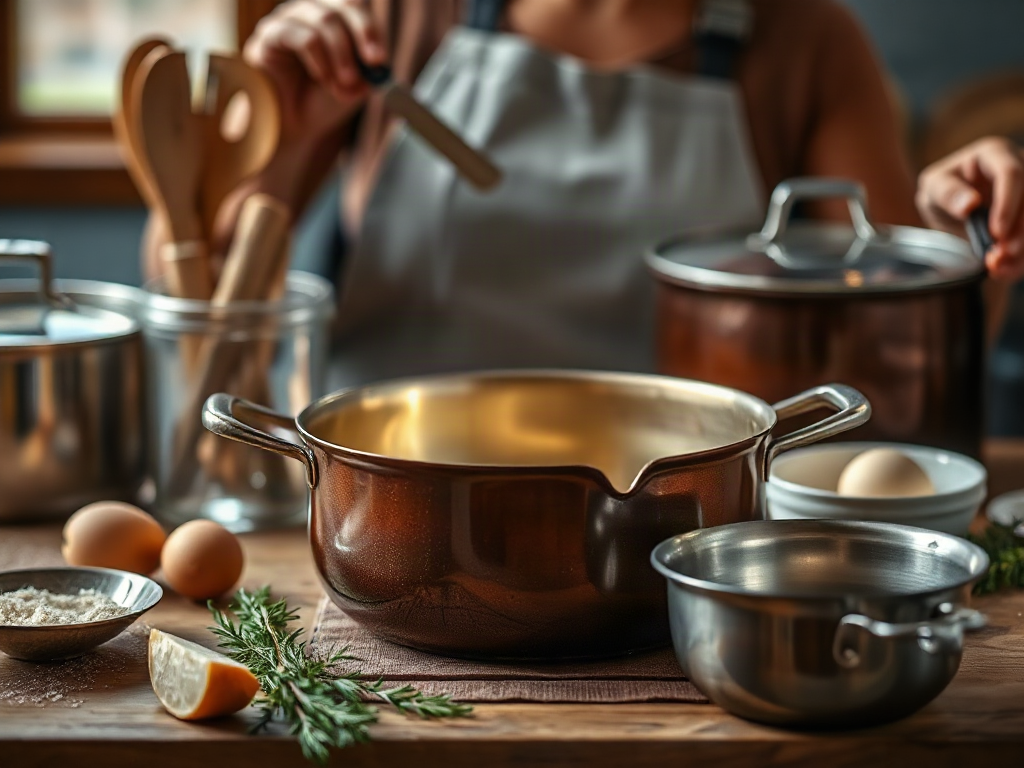
The benefits of investing in handmade cookware include more deliberate construction, distinctive design, long service life, and cooking performance shaped by the maker’s choice of materials and form. Hand-forged iron, spun copper, turned wood, and glazed ceramic pieces may offer useful differences in heat response, weight, stability, or heat retention compared with mass-produced alternatives. Their repairability and durable finishes can also reduce replacement frequency, although care requirements, uneven sizing, higher prices, and limited compatibility with induction or dishwashers deserve attention. The soundest purchase matches the vessel to your routine, verifies its cooking surface and maintenance needs, and treats craftsmanship as part of the value rather than assuming every handmade item performs better.
What Handmade Construction Changes in the Kitchen
Handmade cookware is shaped, finished, or assembled with a greater degree of individual control than standardized factory production. A craftsperson may hammer an iron skillet, spin a copper saucepan, throw a ceramic casserole on a wheel, or finish a wooden handle by hand. Those methods can produce useful differences in wall thickness, balance, surface texture, lid fit, and grip comfort. They can also produce variation, so “handmade” describes a production approach rather than a guaranteed level of performance.
The practical benefit is often a more considered relationship between form and use. A maker who builds a small sauté pan for low-volume cooking may give it a broad base, a stable handle, and a pouring rim that suits sauces. A hand-thrown baking dish may have thicker walls that hold warmth at the table, while a thin copper vessel may respond quickly when a cook lowers the burner. By contrast, a mass-produced item may offer more predictable dimensions, lower cost, and easier replacement.
Some suggestions to consider!
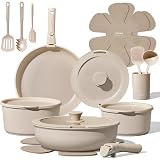


CAROTE 21pcs Pots and Pans Set Non Stick, Detachable Handle Cookware Sets | Ultra Nonstick, Space Saving, Dishwasher & Oven Safe, Non-Toxic Kitchen/Apartment/Camping/RV/ Traveling, Taupe
$56.97 (as of October 7, 2026 19:05 GMT +00:00 - More infoProduct prices and availability are accurate as of the date/time indicated and are subject to change. Any price and availability information displayed on [relevant Amazon Site(s), as applicable] at the time of purchase will apply to the purchase of this product.)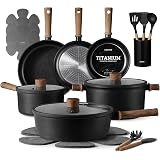
Now retrieving an image set.
CAROTE 21pcs Pots and Pans Set, Nonstick Cookware Sets | Titanium Reinforced Coating, Scratch-Resistant, Easy to Clean, Even Heating, Induction Compatible, with Frying Pans Set
$89.99 (as of October 7, 2026 19:05 GMT +00:00 - More infoProduct prices and availability are accurate as of the date/time indicated and are subject to change. Any price and availability information displayed on [relevant Amazon Site(s), as applicable] at the time of purchase will apply to the purchase of this product.)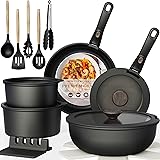
Now retrieving an image set.
Astercook 21 Pcs Pots and Pans Set Non Stick, Ceramic Cookware Set Detachable Handle, RV Kitchen Cooking Set Removable Handles, Oven Safe, Induction Ready, Stackable, Black, Fathers Day Gift for Men
$56.97 (as of October 7, 2026 19:05 GMT +00:00 - More infoProduct prices and availability are accurate as of the date/time indicated and are subject to change. Any price and availability information displayed on [relevant Amazon Site(s), as applicable] at the time of purchase will apply to the purchase of this product.)Craftsmanship matters most when it addresses a real kitchen need. Look closely at the cooking surface, handle attachment, rim, base flatness, and lid seating rather than relying on appearance alone. A beautiful rough finish does not compensate for a rocking pan or a handle that becomes awkward when the vessel is full. The relevant question is not whether a piece looks individual; it is whether its construction supports the tasks you actually perform.
A common mistake is treating visible labor as proof of superior materials. Handmade ceramic can still be vulnerable to thermal shock, and hand-finished metal can still have a poorly prepared surface. Before buying, ask what part is handmade, where the material was sourced, whether the interior is lined or glazed, and how the maker addresses defects. The benefits of investing in handmade cookware become clearer when workmanship is assessed alongside function.
Durability, Repairability, and Long-Term Value
Durability is one of the strongest reasons to consider a handmade vessel, but it depends on material, construction, and maintenance rather than on the word “handmade.” Thick cast iron, well-made carbon steel, and some heavy-gauge copper pieces can remain useful for years when protected from corrosion, warping, and abusive temperature changes. A replaceable wooden handle or a maker who offers refinishing can extend practical life beyond the original purchase.
Long-term value also includes how the cookware ages. A seasoned iron pan may develop a more usable cooking surface through repeated care. Copper may acquire a patina that owners either preserve or polish, depending on preference. Glazed stoneware can remain attractive, but chips, crazing, and thermal shock may limit its service. These aging patterns differ from disposable nonstick finishes, which may lose their release performance and lead owners to replace the entire pan.
The higher initial price is justified only if the item earns regular use and remains serviceable. A handmade Dutch oven that replaces several smaller pots may make sense for someone who braises weekly. A specialized tiny pan purchased for display may not. Compare expected use with care time, shipping, replacement parts, and the cost of a suitable mass-produced alternative. A cheaper pan used daily for a decade can represent better value than an expensive piece that stays in a cabinet.
Repairability deserves a direct conversation with the seller. Ask whether warped metal can be addressed, whether a handle can be replaced, whether a ceramic piece is intended for stovetop use, and what damage is considered normal wear. Do not assume every defect is repairable: cracked ceramic, a compromised lining, or a loose rivet may create safety or performance concerns. Keep care instructions with the purchase, because correct cleaning and heating practices often determine whether the investment pays off.
Cooking Performance Versus Convenience
Handmade cookware can change the way heat, moisture, and weight behave during cooking. Material remains the primary mechanism. Cast iron and thick ceramic tend to store heat and recover slowly after cold food is added. Copper responds rapidly to burner changes when its construction allows that response. Carbon steel can heat quickly and develop a naturally less-sticky surface through seasoning. Shape and thickness then determine whether those traits help with a particular dish.
Consider a cook who sears a steak in a heavy iron pan. The pan’s stored heat may help maintain a strong searing environment when the meat enters, but its weight makes tossing difficult and its slow response can punish excessive burner settings. Someone preparing delicate custard may prefer a responsive lined copper saucepan because quick temperature adjustment offers more control. Neither vessel is universally superior; the useful choice follows the task.
Handmade pieces may also improve tactile control. A balanced handle, generous pouring lip, or stable foot can make a full pot easier to move. Subtle irregularities may give a serving dish character without affecting its use. Yet convenience can move in the opposite direction. Some items require hand-washing, drying, seasoning, polishing, or gradual preheating. A vessel that performs beautifully but cannot fit your oven, cooktop, sink, or storage area may become an expensive inconvenience.
Check compatibility before purchase. Confirm whether the base is flat enough for your cooktop, whether induction works with the material, whether the oven temperature limit suits your recipes, and whether the surface tolerates acidic ingredients. A seasoned unlined iron pan is not the same choice as an enameled one when cooking tomatoes or wine-based sauces. A handmade ceramic dish should be heated according to its maker’s instructions, since abrupt temperature changes can cause cracking. Performance is valuable only when the operating limits fit your habits.
How to Choose a Handmade Piece Without Overpaying
A sound purchase begins with one recurring task, not with a broad desire to own artisan kitchenware. Choose the dish first: eggs, bread, braises, sauces, stir-fries, or table service. Then identify the material and shape that support that task. This prevents a common failure mode in which buyers pay for decorative detail while overlooking capacity, weight, cleaning, or cooktop compatibility.
Use a short priority check before committing:
- Construction: inspect the base, seams, rivets, rim, lid, and handle connection.
- Material behavior: match heat retention, responsiveness, seasoning, glazing, or lining to the food you prepare.
- Fit: verify dimensions, capacity, storage space, oven limits, and cooktop compatibility.
- Care: confirm washing, drying, seasoning, polishing, and preheating requirements.
- Seller support: look for clear specifications, honest variation notes, and a sensible defect or repair policy.
Price should reflect labor and material, but a premium still needs a reason that matters to you. A hand-hammered copper sauté pan may be worthwhile for a cook who values rapid adjustments and uses it several times a week. For someone who wants effortless cleanup and dishwasher convenience, a well-reviewed factory-made pan may be the more rational choice. Paying more for a feature you will avoid is not an investment; it is unused capacity.
Buy one versatile piece before building a collection. Track whether it gets used, whether its care fits your schedule, and whether its performance solves a problem that another pan did not. Signs of a good match include comfortable handling when full, predictable heating, easy storage, and care you can perform consistently. Warning signs include unclear material specifications, exaggerated claims, unstable construction, and a seller who cannot explain safe use.
Handmade cookware can also carry a lower replacement burden when maintained well, but environmental claims should remain modest. Longevity may reduce repeated purchases, while shipping, energy-intensive materials, packaging, and failed pieces still have impacts. Choose durability for its direct household value first, and treat any wider benefit as dependent on actual service life. For a broader purchasing perspective, compare these criteria with the benefits of investing in handmade cookware before selecting a second piece.
For material-specific decisions, consult the care and compatibility instructions supplied by the maker, then compare them with guidance from established cookware manufacturers and consumer safety organizations. Those sources are most useful when they specify heating limits, cleaning methods, lining care, and cooktop requirements instead of making broad claims about artisan production.
Frequently Asked Questions
Is handmade cookware always better than factory-made cookware?
No. Handmade pieces may offer distinctive balance, repair options, or material choices, while factory-made cookware often provides consistent dimensions, lower prices, and easier replacement. Compare the actual construction and your routine.
Does handmade cookware last longer?
It can, particularly when made from durable material and maintained correctly, but longevity depends on thickness, finish, handle construction, heating habits, and care. A handmade label alone does not establish durability.
What handmade material is best for everyday use?
There is no single best material. Cast iron suits heat retention, copper suits rapid adjustment, carbon steel suits high-heat searing, and ceramic suits certain oven and serving uses. Choose around your regular dishes and maintenance tolerance.
What should I check before buying a handmade pan?
Check dimensions, weight, base flatness, handle security, interior finish, cooktop and oven compatibility, cleaning instructions, and the maker’s policy for defects or repairs.
Is handmade cookware worth the higher price?
It may be worthwhile when the piece receives frequent use, offers performance or repairability you value, and fits your kitchen’s care requirements. A less expensive pan is preferable when convenience or budget is the higher priority.
Conclusion
Handmade cookware earns its premium when craftsmanship solves a practical problem: better balance, useful heat behavior, durable construction, repair potential, or a form that suits a favorite dish. Assess the material and operating limits before admiring the finish, and be realistic about hand-washing, seasoning, weight, storage, and cooktop compatibility. Start with one frequently used vessel, ask the maker specific questions, and observe whether its care routine fits your week. A carefully chosen artisan pan can become a dependable daily tool rather than a decorative purchase. When the distinctive features do not improve your actual cooking, a well-designed factory-made alternative may deliver better value with fewer compromises.