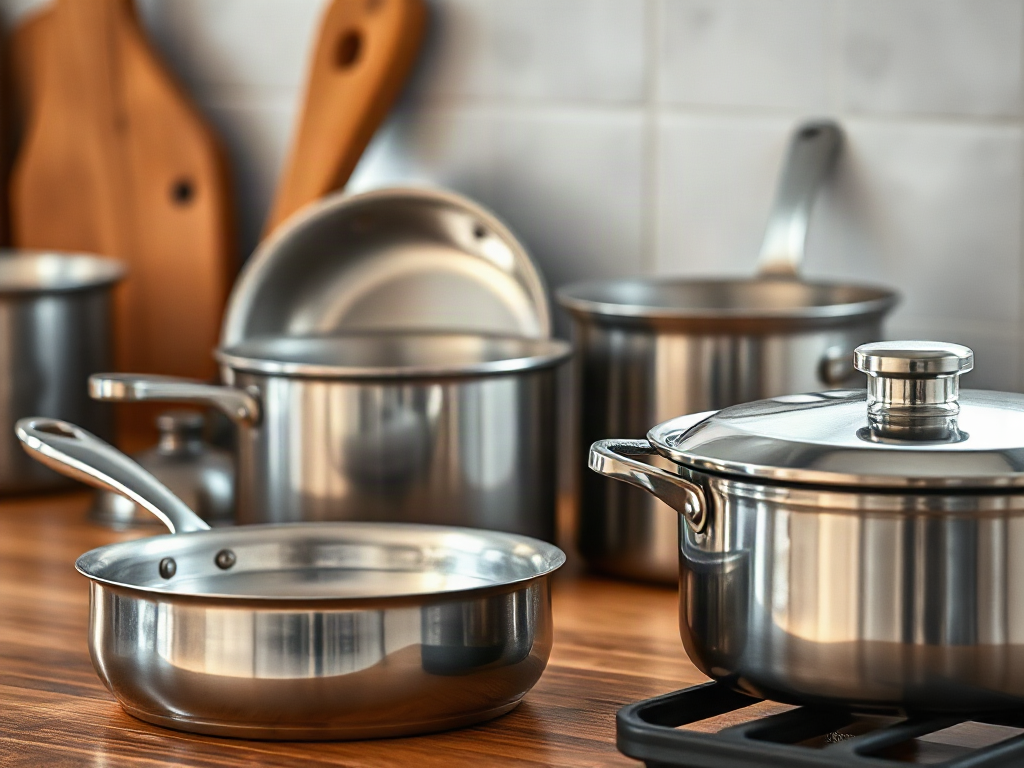
To find cookware that resists rust, prioritize stainless steel with a clearly identified grade, intact surfaces, and construction that leaves few moisture-trapping seams, then confirm the maker’s care instructions. Stainless steel generally handles humid kitchens better than uncoated carbon steel or cast iron, but salt, acidic residue, scratched finishes, and prolonged dampness can still cause staining or corrosion. Inspect rims, rivets, handles, and underside edges rather than judging only the cooking surface. After use, wash away salty or acidic food, dry every part promptly, and avoid storing pieces while damp. Rust-like spots that wipe away may be surface discoloration; deep pitting, flaking, or recurring corrosion indicates a more serious material or maintenance problem.
Which Cookware Materials Resist Rust Best
Material selection determines the starting level of rust resistance, but no pan is immune to corrosion under every condition. Stainless steel is usually the most practical choice for shoppers who want cookware that tolerates regular washing and humid storage. Its chromium-containing surface can form a thin protective layer when exposed to air, which helps limit the iron oxidation associated with ordinary rust. The protection is not a guarantee: harsh contamination, surface damage, and trapped moisture can still create problems.
Uncoated cast iron and carbon steel require a different expectation. They can perform well for high-heat cooking, but their iron surfaces depend on seasoning and prompt drying. A neglected carbon-steel wok left wet overnight may develop orange spotting much faster than a stainless-steel sauté pan. Enameled cast iron places a glass-like coating between food and the iron, reducing exposure on the coated areas, although chipped edges and exposed metal deserve attention.
Some suggestions to consider!
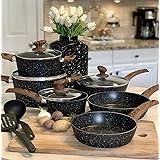
Now retrieving an image set.
Kitchen Academy Pots and Pans Set Non Stick, 12pcs Induction Cookware | Nonstick Kitchen Cookware Set, Black Granite Cooking Pans, PFOS & PFOA Free, Easy Food Release, Fast & Even Heating
$87.99 (as of October 7, 2026 19:05 GMT +00:00 - More infoProduct prices and availability are accurate as of the date/time indicated and are subject to change. Any price and availability information displayed on [relevant Amazon Site(s), as applicable] at the time of purchase will apply to the purchase of this product.)
Now retrieving an image set.
CAROTE 21pcs Pots and Pans Set, Nonstick Cookware Sets | Titanium Reinforced Coating, Scratch-Resistant, Easy to Clean, Even Heating, Induction Compatible, with Frying Pans Set
$89.99 (as of October 7, 2026 19:05 GMT +00:00 - More infoProduct prices and availability are accurate as of the date/time indicated and are subject to change. Any price and availability information displayed on [relevant Amazon Site(s), as applicable] at the time of purchase will apply to the purchase of this product.)
Now retrieving an image set.
CAROTE 20pcs Pots and Pans Set, Nonstick Cookware Sets | Induction Cooking, Ultra Durable, Easy to Clean, Even Heating, All-Stovetop Compatible, PFOA-Free Kitchen Set
$66.48 (as of October 7, 2026 19:05 GMT +00:00 - More infoProduct prices and availability are accurate as of the date/time indicated and are subject to change. Any price and availability information displayed on [relevant Amazon Site(s), as applicable] at the time of purchase will apply to the purchase of this product.)When comparing stainless products, look for a stated steel grade rather than a vague claim such as “rustproof.” A disclosed grade does not tell you everything about manufacturing quality, but it gives more useful information than an unexplained marketing label. A fully stainless body may be easier to maintain than a pan combining several metals with poorly sealed edges. Aluminum itself does not produce iron rust, yet exposed aluminum can discolor or react differently with foods, so rust resistance should not be confused with overall durability.
Use how to find cookware that resists rust as a material-and-use decision, not simply a search for the most expensive set. Choose stainless steel for low-maintenance daily use, seasoned steel for cooks willing to dry and maintain it, and enameled surfaces when the coating remains intact and the added weight is acceptable.
How Construction And Finish Affect Corrosion
Rust often begins where water and residue remain undisturbed, so construction matters nearly as much as the metal name. Examine rolled rims, rivet heads, handle joints, welded seams, and the underside where the vessel meets a burner or storage surface. A pan with a smooth, continuous finish is generally easier to clean and dry than one with narrow crevices that hold salty water.
Surface finish changes how easily residue adheres. A polished interior may make food film easier to notice and remove, while a brushed exterior can hide light staining without necessarily indicating structural damage. Neither appearance alone proves rust resistance. Scratches from abrasive pads can remove the most protective surface layer or leave grooves where moisture collects. A small cosmetic mark is not automatically dangerous, but repeated abrasion can make maintenance harder.
Consider the whole piece rather than just the interior. A stainless cooking surface attached to a different metal base may have seams or exposed edges that discolor first. Riveted handles can be durable, but the area around each rivet needs drying. A dishwasher-safe label may describe the manufacturer’s intended use, not an assurance that every finish will remain spotless through aggressive detergents and mineral-heavy water.
A useful comparison is a simple welded stainless saucepan versus a more complicated multi-part design. The latter may offer heat-distribution advantages, while the former may be easier to inspect and maintain. Choose the construction that matches your priorities. If the cookware will live in a crowded cabinet or be washed late at night, accessible seams and quick drying may matter more than a decorative finish.
For shoppers researching rust-resistant cookware, turn the pan over in the store or inspect detailed product images. Look for clean joins, an intact coating, readable material information, and no pre-existing orange marks around fasteners. Those checks reveal more than a front-facing product photograph.
A Practical Shopping Checklist
Buying decisions become clearer when rust resistance is treated as a series of verifiable checks. Begin with the manufacturer’s specifications, then inspect the physical design and In summary match it to your cleaning routine. A premium material can still disappoint if it is difficult to dry or routinely exposed to conditions it was not designed to handle.
- Identify the main material. Prefer a clearly named stainless grade or understand that seasoned steel needs active maintenance.
- Inspect vulnerable areas. Check rims, rivets, welds, handle attachments, lids, and underside edges for gaps or existing discoloration.
- Check the finish. Reject pieces with scratches through a coating, flaking areas, rough burrs, or unexplained orange spots.
- Read care instructions. Confirm whether hand washing, immediate drying, seasoning, or restrictions on soaking are specified.
- Match size to storage. A pan that cannot dry fully in its storage position is a poor fit, even if its material is corrosion-resistant.
Product descriptions deserve careful reading. “Stainless” may refer only to one component, while a clad pan can contain aluminum or another core between stainless layers. That construction may be entirely functional, but the description should make the arrangement understandable. Be cautious when a listing emphasizes “non-rusting” language without naming the substrate, finish, or maintenance requirements.
Budget also changes the sensible choice. A basic stainless pan with straightforward construction may be easier to keep serviceable than a low-cost coated pan whose finish is already lifting at the rim. On the other hand, buying the heaviest or most elaborate set is not automatically wise; more parts can mean more joints, more storage difficulty, and more places for moisture to remain. Prioritize disclosed material, sound finishing, and a care routine you will actually follow.
Care Practices That Prevent Rust
Drying is the most consistently useful rust-prevention habit because standing water gives corrosion time to develop, especially when it contains salt or food residue. Wash the pan according to its instructions, rinse away detergent and cooking residue, and dry the interior, exterior, rim, handles, and lid separately. Returning a damp pan to a nested stack can trap moisture against metal surfaces for hours.
Salt deserves particular attention. Salt left in wet contact with stainless steel can contribute to localized corrosion, and acidic sauces may leave stubborn staining if allowed to dry. This does not mean tomatoes, vinegar, or citrus must be avoided. It means that a pan used for a salty tomato sauce should be emptied, washed, and dried rather than left on the counter with residue around the rim or rivets.
Seasoned cast iron and carbon steel need a distinct routine: avoid unnecessary soaking, remove moisture promptly, and maintain the cooking surface as directed by the manufacturer. A thin protective layer of cooking oil may be part of that routine, but excess oil can become sticky and attract debris. Stainless steel does not need seasoning in the same way, and applying oil as if it were cast iron can create a residue that obscures the actual condition of the metal.
Common failures usually involve timing rather than a single bad product. A pan is washed but left upside down while water pools on its rim; a lid is stored closed before it dries; or an abrasive cleaner roughens a surface that was previously easy to maintain. Signs that the routine is working include a clean, dry finish and no recurring marks at seams. Persistent spotting after proper cleaning suggests mineral deposits, residue, or a material problem that deserves closer inspection.
How To Interpret Rust, Stains, And Pitting
Not every brown or gray mark is rust. Mineral deposits, cooked-on oil, heat discoloration, and residue from another metal utensil can resemble corrosion. A superficial mark that improves with a suitable nonabrasive cleaner may be cosmetic. Orange powder, roughness, flaking, or a crater-like depression points to a more serious surface change.
Test gently rather than attacking the area with steel wool. Follow the manufacturer’s cleaning guidance and use a soft sponge or compatible cleaner first. If the mark disappears without leaving a pit, the issue may have been surface residue. If a rough depression remains, repeated corrosion is occurring below the original finish. Pitting around a rim or handle joint is especially worth taking seriously because it can retain food particles and water.
Compare isolated staining with recurring staining. A pan exposed to hard water may develop deposits after each wash, while a pan with a damaged finish may show the same orange spot even after careful cleaning and drying. The distinction matters: changing the cleaning method may resolve deposits, but it cannot restore missing metal or a failed coating.
Do not assume a “stainless” label makes severe damage irrelevant. Stainless steel is corrosion-resistant, not corrosion-proof. If flaking coating, deep pits, sharp damaged edges, or corrosion near a structural attachment appears, consult the maker’s guidance before continued use. When replacement is more practical, select a simpler design with clear material disclosure and accessible surfaces. That is often a better long-term decision than trying to preserve a pan whose vulnerable areas cannot be cleaned or dried reliably.
Frequently Asked Questions
Is stainless steel cookware completely rustproof?
No. Stainless steel resists rust, but salt residue, trapped moisture, harsh cleaning, scratches, and damaged surfaces can still cause staining or corrosion.
Which is less likely to rust, stainless steel or cast iron?
Stainless steel is generally less demanding for ordinary kitchen use. Cast iron can remain durable, but it needs seasoning, prompt drying, and protection from prolonged moisture.
What should I inspect before buying a rust-resistant pan?
Check the stated material, rims, rivets, welds, handle joints, underside, coating condition, and care instructions. Avoid unexplained orange spots, flaking, or rough seams.
Can salt cause stainless steel cookware to rust?
Salt left in wet contact with stainless steel may contribute to localized corrosion. Wash away salty residue and dry the pan instead of letting it soak or sit dirty.
How should rust-like spots be removed?
Follow the manufacturer’s instructions and begin with a soft sponge and compatible nonabrasive cleaner. Deep pitting, flaking, or recurring corrosion may require replacement or manufacturer advice.
Conclusion
The most dependable way to select cookware that resists rust is to evaluate material, construction, finish, and maintenance together. A clearly identified stainless-steel body is often the simplest low-maintenance option, while cast iron and carbon steel remain viable when you accept their drying and seasoning requirements. Inspect seams, rims, rivets, and coatings because moisture frequently collects away from the main cooking surface. After purchase, remove salty or acidic residue promptly and dry every part before storage. Treat recurring orange marks, rough pits, and flaking as warning signs rather than normal wear. Before buying, compare the care instructions with your actual kitchen habits; the pan you can consistently clean and dry is often a better choice than a technically superior piece that remains damp or neglected.