
Understanding the properties of these natural cleaners can help you choose the right one for your specific cookware needs. For example, vinegar is excellent for removing mineral deposits, while baking soda is perfect for tackling stubborn stains. It’s important to avoid abrasive scrubbers that can damage the surface of your cookware, and instead opt for soft cloths or sponges to maintain their integrity.
Natural Cleaners for Different Cookware Types
Different types of cookware require specific cleaning methods to avoid damage. For non-stick pans, a mixture of warm water and mild dish soap is usually sufficient. Avoid using harsh chemicals or abrasive materials that can scratch the surface. Stainless steel cookware, on the other hand, can benefit from a paste made from baking soda and water, which gently lifts stains without scratching.
For cast iron skillets, it’s crucial to avoid soap altogether. Instead, scrub them with coarse salt and a little water to remove food residues, then dry immediately to prevent rusting. Using natural oils can also help maintain the seasoning of the skillet, ensuring its longevity.
Common Mistakes to Avoid When Cleaning Cookware
One of the most common mistakes people make is using the wrong cleaning products for their cookware. For instance, using abrasive cleaners on non-stick surfaces can lead to scratches and reduced lifespan. Additionally, soaking cookware for extended periods can damage certain materials, particularly wood or cast iron.
Some suggestions to consider!
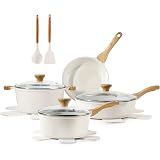


SENSARTE Nonstick Ceramic Cookware Set, 13-pcs Non-toxic Pots and Pans Set | Healthy Kitchen Cooking Set with Stay-Cool Handles, Silicone Tools and Pot Protectors, PFAS Free
$65.94 (as of October 16, 2026 19:09 GMT +00:00 - More infoProduct prices and availability are accurate as of the date/time indicated and are subject to change. Any price and availability information displayed on [relevant Amazon Site(s), as applicable] at the time of purchase will apply to the purchase of this product.)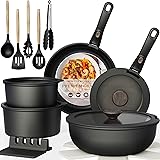
Now retrieving an image set.
Astercook 21 Pcs Pots and Pans Set Non Stick, Ceramic Cookware Set Detachable Handle, RV Kitchen Cooking Set Removable Handles, Oven Safe, Induction Ready, Stackable, Black, Fathers Day Gift for Men
$59.99 (as of October 16, 2026 19:09 GMT +00:00 - More infoProduct prices and availability are accurate as of the date/time indicated and are subject to change. Any price and availability information displayed on [relevant Amazon Site(s), as applicable] at the time of purchase will apply to the purchase of this product.)
Now retrieving an image set.
SODAY Pots and Pans Set Non Stick, 12Pcs Black Granite Induction Cookware | PFAS/PFOA/PFOS Free, Healthy Nonstick Kitchen Cookware Sets, Includes Fry Pans & Saucepans.
$59.99 (as of October 16, 2026 19:09 GMT +00:00 - More infoProduct prices and availability are accurate as of the date/time indicated and are subject to change. Any price and availability information displayed on [relevant Amazon Site(s), as applicable] at the time of purchase will apply to the purchase of this product.)Another pitfall is neglecting to dry cookware thoroughly after washing. Moisture can lead to rust in cast iron or pitting in stainless steel. Always ensure your cookware is completely dry before storing it to maintain its quality.
How to Remove Tough Stains Effectively
For tough stains, a combination of baking soda and water can create a powerful paste that lifts even the most stubborn residues. Apply the paste to the stained area, let it sit for at least 15 minutes, and then gently scrub with a soft sponge.
Another effective method is to use vinegar. Heat a mixture of equal parts vinegar and water in the stained cookware until it simmers. Allow it to cool, then wipe away the stains. This method is particularly effective for stainless steel and glass cookware.
Maintaining Your Cookware After Cleaning
Proper maintenance is crucial for extending the life of your cookware. After cleaning, make sure to apply a light coat of oil to cast iron and stainless steel surfaces to prevent sticking and rust. For non-stick pans, avoid using metal utensils that can scratch the surface.
Regularly inspecting your cookware for signs of wear, such as scratches or rust, can help you address issues before they become serious problems. Proper storage, such as stacking with protective padding between items, can also prevent damage.
Further Reading
Authoritative Sources
- EPA Guidelines on Cleaning Products
epa.govThis resource provides insights into safe cleaning practices and the impact of chemicals on health and the environment
- CDC Recommendations for Household Cleaning
cdc.govThe CDC offers guidelines for effective cleaning methods that minimize health risks
Frequently Asked Questions
What are the best natural cleaners for cookware?
The best natural cleaners include vinegar, baking soda, and lemon juice, which effectively remove stains and grease.
Can I use baking soda on non-stick pans?
Yes, but use it sparingly and mix it with water to form a paste to avoid scratching the surface.
How do I prevent rust in cast iron cookware?
To prevent rust, always dry your cast iron cookware immediately after washing and apply a thin layer of oil.
Is it safe to soak cookware in vinegar overnight?
Soaking cookware in vinegar overnight is not recommended as it can damage certain materials, especially cast iron.
What should I avoid when cleaning cookware?
Avoid using abrasive scrubbers, harsh chemicals, and soaking cookware for extended periods to prevent damage.
Conclusion
Cleaning cookware without harsh chemicals is achievable with the right natural products and methods. Prioritize using safe, effective cleaners like baking soda and vinegar, and tailor your approach based on the type of cookware you have. Remember to avoid common mistakes such as using abrasive cleaners or neglecting proper drying techniques. By taking these steps, you can maintain your cookware’s integrity while ensuring a healthy cooking environment.