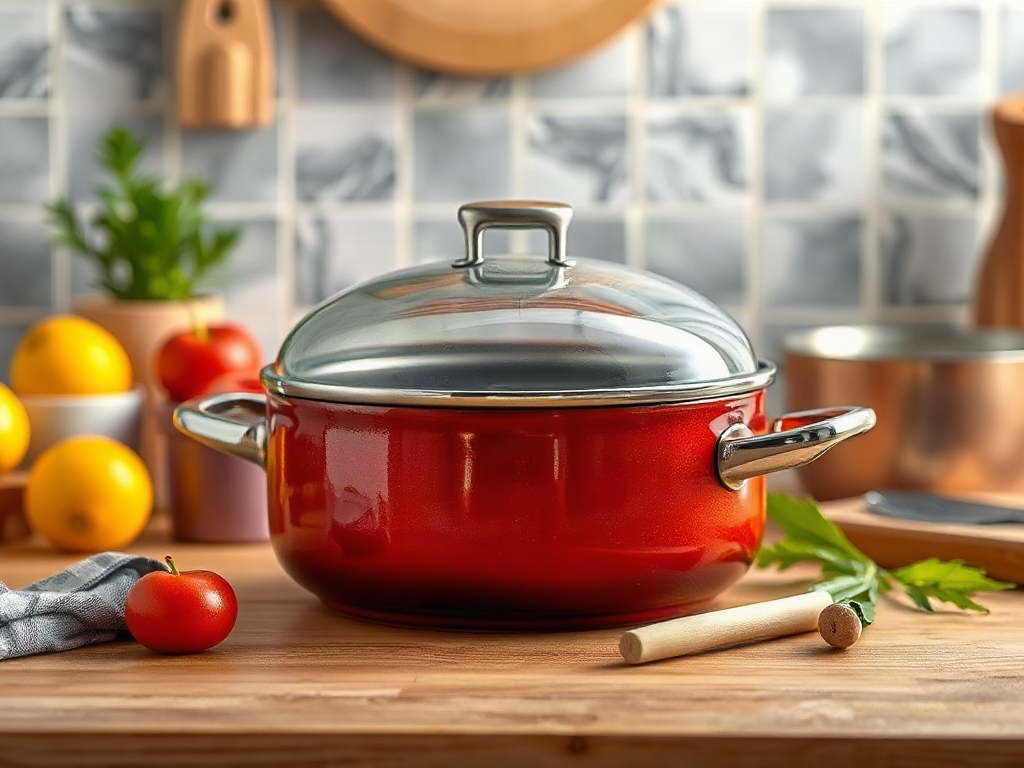
Evaluate cookware for easy cleaning by inspecting the cooking surface, rivets, rim, handle joints, exterior finish, and care requirements before buying. A smooth interior with few seams gives grease and food residue fewer places to collect, while dishwasher compatibility matters only if the pan’s coating, handle, and exposed edges tolerate repeated cycles. Match the material to the foods and heat levels you actually use: nonstick releases eggs readily, whereas stainless steel withstands scrubbing but may require soaking after high-heat cooking. Favor manageable weight, accessible corners, and replaceable parts, and treat vague care instructions or delicate finishes as warning signs.
What Makes a Cooking Surface Easy to Clean?
Cleanability begins with how strongly cooked food adheres to the pan and whether the surface tolerates the method needed to remove it. A slick surface can reduce daily washing effort, but release performance alone does not settle the question. Durability, heat tolerance, stain visibility, and restrictions on tools or detergents determine whether that convenience lasts.
Some suggestions to consider!
Now retrieving an image set.
SENSARTE 17 Piece Nonstick Detachable Handle Pots and Pans Set Black | Removable Handle Cookware Set, Induction Cookware Set with Removable Handle, Healthy Non Stick for RV, Dishwasher & Oven Safe
$79.99 (as of October 12, 2026 19:08 GMT +00:00 - More infoProduct prices and availability are accurate as of the date/time indicated and are subject to change. Any price and availability information displayed on [relevant Amazon Site(s), as applicable] at the time of purchase will apply to the purchase of this product.)
Now retrieving an image set.
All-Clad HA1® Nonstick 5-Piece Pots & Pans Set, Induction Ready | Complete nonstick cookware set, Long-lasting non-stick, Scratch-Resistant Exterior, Dishwasher safe, Oven Safe up to 500°F
$199.99 (as of October 12, 2026 19:08 GMT +00:00 - More infoProduct prices and availability are accurate as of the date/time indicated and are subject to change. Any price and availability information displayed on [relevant Amazon Site(s), as applicable] at the time of purchase will apply to the purchase of this product.)
Now retrieving an image set.
Anymark 16PCS Pots and Pans Set Non Stick Cookware (white, 16pieces) | Beautiful Great Value Food Cooks Evenly Cleans Easily With Frying Pan
$39.98 (as of October 12, 2026 19:08 GMT +00:00 - More infoProduct prices and availability are accurate as of the date/time indicated and are subject to change. Any price and availability information displayed on [relevant Amazon Site(s), as applicable] at the time of purchase will apply to the purchase of this product.)Conventional nonstick cookware usually releases eggs, pancakes, and delicate fish with little soaking when the surface is intact and cooking heat is controlled. Its tradeoff is a narrower care envelope. Abrasive powders, metal utensils, harsh scouring pads, overheating, and stacking without protection may shorten the useful life of the coating. A pan that wipes clean today is not an easy-care choice if its normal use in your kitchen will quickly scratch or degrade it.
Uncoated stainless steel presents the opposite pattern. It may hold browned protein or starch when the pan is heated poorly, but it accepts more vigorous cleaning than a coated surface. Warm soaking, a non-scratch scrubber, or a cookware-compatible cleanser can address most residue. Stainless steel can therefore be a practical low-maintenance option for someone who sears meat and wants a surface that tolerates firm cleaning, even though it is not the quickest material after every meal.
Seasoned cast iron and carbon steel rely on a maintained layer of polymerized oil rather than a factory-applied nonstick coating. With established seasoning, they release many foods well, but leaving them wet may encourage rust. Cleaning is usually simple when performed soon after cooking: remove residue, wash according to the maker’s directions, dry thoroughly, and apply oil when needed. Buyers who routinely leave pans soaking overnight may find this workflow inconvenient.
Enameled cookware has a relatively smooth, nonreactive cooking surface, yet pale enamel can show browned deposits and discoloration. Visible staining does not necessarily mean the surface is unsanitary or damaged, but restoring its appearance may take more effort than removing ordinary food residue. Inspect enamel for a uniform finish and read the maker’s limits on abrasive products before treating it as carefree.
Judge the surface against three recurring meals rather than an idealized use. Someone who cooks oatmeal, eggs, and creamy sauces has different cleaning pressures from someone who deglazes seared meat. Easy cleaning means the material releases your common foods without requiring treatment that the surface cannot safely withstand.
Where Does Residue Collect on a Pan?
Pan construction often creates more washing work than the cooking material itself. Oil migrates into joints, baked-on splatter forms around hardware, and thin rolled edges can trap water. Product photographs tend to emphasize the interior, so inspect the underside, rim, handle attachment, lid, and transitions between materials.
Interior rivets are a common collection point. Exposed rivet heads interrupt the cooking surface and leave narrow edges where sauce or egg can dry. They are not automatically a poor choice; sturdy riveted handles can provide dependable attachment. The practical question is whether a sponge or small brush can reach all the way around each head. Smooth, tightly fitted rivets are easier to service than hardware with visible gaps or rough edges.
Welded handles can create an uninterrupted interior, but the exterior weld area still deserves attention. Look for a neat connection rather than a deep recess. Removable handles simplify storage and sometimes dishwasher loading, although the socket and locking mechanism introduce extra surfaces that must be cleaned and dried. A detachable design is most convincing when the parts are accessible and the manufacturer explains whether the handle itself may be washed.
Rims deserve similar scrutiny. A sealed, smoothly finished rim can be wiped in one pass. A rolled rim may pour neatly but can retain moisture if the roll is open or poorly finished. Clad stainless cookware may also have exposed layer edges. Those edges are not necessarily defective, but care instructions may restrict dishwasher use because repeated detergent exposure can affect certain exposed metals.
Lids add their own maintenance burden. A simple stainless lid is durable and has few vulnerable parts, while a glass lid makes cooking visible but usually includes a metal rim where residue can gather. Steam vents, screw-mounted knobs, and silicone inserts all create detail work. Check whether the knob can loosen, whether water becomes trapped beneath it, and whether replacement knobs are offered.
The exterior finish matters when flames, oil mist, or boil-overs reach the sides. Polished stainless steel displays fingerprints and heat tint but accepts careful restoration. Brushed finishes conceal minor marks better. Painted, coated, or decorative exteriors may demand gentler treatment, especially near a gas flame. If appearance is a priority, distinguish between a surface that is easy to sanitize and one that is easy to keep looking new; those are not always the same.
How Should Material and Cooking Style Be Matched?
Your heat source, recipes, and cleanup habits determine which tradeoff is most manageable. No material remains effortless under every combination of sugar, protein, fat, and heat. A useful evaluation pairs the likely residue with both the surface’s release behavior and its permitted cleaning methods.
| Cookware type | Typical cleaning advantage | Likely constraint | Useful fit |
|---|---|---|---|
| Coated nonstick | Low adhesion during gentle cooking | Needs nonabrasive tools and controlled heat | Eggs, pancakes, and delicate foods |
| Stainless steel | Tolerates soaking and firmer scrubbing | Protein and starch may stick | Searing, browning, and deglazing |
| Seasoned cast iron or carbon steel | Release may improve with seasoning | Must be dried promptly; seasoning needs care | High-heat cooking with hands-on maintenance |
| Enameled cookware | Smooth surface without seasoning | Heavy pieces are awkward; stains may show | Braises, soups, and moderate-heat cooking |
Cooking technique can outweigh the material label. Stainless steel that receives suitable preheating, enough cooking fat, and time for food to release may clean more easily than the same pan used with cold protein over poorly controlled heat. Conversely, a nonstick skillet used for repeated high-heat searing may lose the very release quality that made it convenient. Evaluate whether the cookware supports your real technique rather than assuming the surface will compensate for it.
Weight is another cleaning factor that specifications rarely frame as such. A heavy Dutch oven may hold heat evenly, but washing it requires lifting and rotating a wet, slippery vessel. Large handles that remain graspable with soapy hands can make a substantial difference. If a pan feels borderline when dry, imagine maneuvering it when full of wash water. A lighter pan may be the more sustainable choice for anyone with limited grip strength, a small sink, or no room to set down a heavy lid.
Dishwasher-safe wording requires careful interpretation. It may mean a product can survive a cycle, not that repeated machine washing preserves its appearance or peak performance. High-alkaline detergent, prolonged moisture, crowded racks, and contact with other items can affect exposed aluminum, decorative finishes, sharp rims, wood components, and some coatings. Compare the label on the box with the full care manual, noting phrases such as “hand washing recommended.”
Do not treat dishwasher compatibility as the sole measure of convenience. A wide skillet that occupies most of a rack may be quicker to wash by hand, while a compact saucepan with sealed construction may suit machine cleaning well. The best match reduces total handling, including cooling, soaking, loading, unloading, drying, and any restoration needed afterward.
Testing Cleanability Before You Buy
A hands-on inspection can reveal cleaning problems before food ever touches the pan. In a store, hold the cookware as if it were wet, trace the interior with your eyes and fingers, and study every junction. When shopping online, enlarge underside and handle photographs and look for a downloadable care manual rather than relying only on short feature claims.
Use the following compact check in order:
- Scan the food-contact surface. Look for smooth transitions, accessible corners, securely finished rivets, and no unexplained roughness.
- Inspect the rim and exterior. Identify rolled edges, exposed layers, decorative coatings, grooves, and any joint that could retain water.
- Handle the empty pan. Confirm that you can tilt, rotate, and steady it without gripping the hot or dirty cooking surface.
- Read the complete care instructions. Note dishwasher limits, prohibited scrubbers, temperature restrictions, seasoning needs, and drying requirements.
- Check serviceable parts. Determine whether lids, knobs, silicone pieces, or removable handles can be replaced if they wear out.
Marketing terms need translation into practical consequences. “PFOA-free,” for example, does not describe scratch resistance, dishwasher endurance, or how readily current food residue will release. “Hard-anodized” describes a treated aluminum surface, but some products also have a separate nonstick coating; cleaning directions depend on the complete construction. “Oven-safe” likewise says little about whether the cookware tolerates abrasive cleaning.
If returns or test use are permitted, start with a representative meal rather than an unusually easy one. Prepare the food you cook most often, allow the pan to cool as directed, and clean it using only approved tools. Notice whether a normal sponge reaches the corners, whether grease remains around rivets, and whether the pan fits flat in the sink. A successful test ends with the surface clean and dry without prolonged scraping or special treatment.
Failure signs appear early. Water emerging later from a rim or handle joint indicates a trapping point. A cloth repeatedly catching on an edge suggests rough finishing. Residue that requires prohibited abrasives exposes a mismatch between the food and surface. Rapid cosmetic change may be acceptable if performance matters more than appearance, but it should not come as a surprise.
Balance purchase price against maintenance rather than assuming expensive cookware cleans more easily. Premium multi-layer construction may improve heat behavior while adding weight, and elaborate handle systems may add crevices. A modest pan with a smooth interior, comfortable balance, clear instructions, and readily available replacement parts can deliver lower daily effort. The strongest purchase is the one whose care routine still seems reasonable after an ordinary week of cooking.
Frequently Asked Questions
Is nonstick cookware always the easiest to clean?
No. An intact nonstick surface is convenient for delicate foods, but it requires gentle tools and controlled heat. Stainless steel may take more soaking after cooking yet tolerate stronger cleaning and remain serviceable longer.
Are rivetless pans easier to wash?
A rivetless interior removes common grease-catching edges. Still inspect the exterior handle connection, because deep weld recesses or detachable-handle sockets can shift the cleaning work elsewhere.
Does dishwasher-safe cookware need no special care?
Not necessarily. Check whether machine washing is merely allowed or actually recommended, and review restrictions for coatings, exposed edges, removable handles, wood, and decorative finishes.
Which cookware color is easiest to maintain?
Medium-toned brushed finishes tend to conceal fingerprints and minor discoloration better than mirror-polished metal or pale enamel. Color affects visible upkeep more than actual food release or sanitation.
Should cookware be tested with water before use?
Water can reveal awkward balance, dripping rims, and joints that retain moisture, but it cannot predict food release. Use an approved cooking test during the return period when the seller permits it.
Conclusion
Choose cookware by examining the full cleanup path, not by accepting a single material claim. The cooking surface should suit your regular foods, while its permitted scrubbers, detergents, and heat levels should fit the way you work. Give equal attention to rivets, rims, lids, handle joints, exterior finishes, and the wet weight of the vessel.
Before purchasing, read the complete care instructions and compare “dishwasher safe” with any recommendation to hand-wash. Then inspect the pan from every angle and imagine cleaning the residue your usual meals produce. Smooth construction and a reachable interior generally matter more than decorative complexity. If possible, test one representative dish while returns remain available. Keep the cookware when normal cleaning reaches every surface without forbidden abrasives, trapped water, excessive lifting, or a maintenance routine you are unlikely to follow.