
Find cookware that aligns with dietary needs by matching the pan’s surface, care requirements, and cooking tasks to the foods you prepare and any confirmed sensitivity or restriction. Review the exact material and coating, favor stable surfaces suited to your recipes, and check whether the pan is easy to clean without retaining residues. Separate pans may be sensible when cross-contact matters, especially for gluten-free, allergen-aware, or medically prescribed diets. Compare stainless steel, enameled cookware, cast iron, carbon steel, and coated options by reactivity, maintenance, and heat tolerance rather than assuming one material fits everyone.
Define the Dietary Requirement Before Shopping
The best cookware choice depends first on what the dietary need actually involves. A preference for low-oil cooking leads to different priorities than celiac disease, a diagnosed metal sensitivity, food allergies, or a meal plan built around acidic ingredients. Cookware cannot change the nutritional profile of food, and it should not be treated as a medical intervention. Its role is to provide a predictable surface, manageable cleanup, and a cooking process that fits the person’s restrictions.
Write down the foods and cooking methods that matter most before comparing brands. Someone preparing tomato sauces, citrus-based dishes, and wine reductions may need a nonreactive surface and a pot with an intact interior. Someone cooking mostly grains, vegetables, and lean proteins may value easy release and simple washing. A household avoiding gluten or a specific allergen may place more emphasis on dedicated equipment, clear labeling, and the ability to inspect every surface.
Some suggestions to consider!
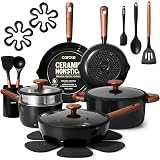
Now retrieving an image set.
CAROTE 21pcs Ceramic Cookware Set, Pots and Pans Set | Non-Toxic Healthy Cooking Set with Silicone Lids, Dishwasher Safe, Even Heating, with Steamer & Silicone Trivet, PFAS FREE
$79.97 (as of October 14, 2026 19:08 GMT +00:00 - More infoProduct prices and availability are accurate as of the date/time indicated and are subject to change. Any price and availability information displayed on [relevant Amazon Site(s), as applicable] at the time of purchase will apply to the purchase of this product.)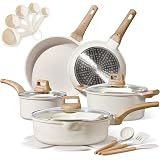
Now retrieving an image set.
CAROTE 20pcs Pots and Pans Set, Nonstick Cookware Sets | Induction Cooking, Ultra Durable, Easy to Clean, Even Heating, All-Stovetop Compatible, PFOA-Free Kitchen Set
$69.99 (as of October 14, 2026 19:08 GMT +00:00 - More infoProduct prices and availability are accurate as of the date/time indicated and are subject to change. Any price and availability information displayed on [relevant Amazon Site(s), as applicable] at the time of purchase will apply to the purchase of this product.)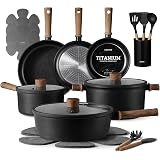
Now retrieving an image set.
CAROTE 21pcs Pots and Pans Set, Nonstick Cookware Sets | Titanium Reinforced Coating, Scratch-Resistant, Easy to Clean, Even Heating, Induction Compatible, with Frying Pans Set
$89.99 (as of October 14, 2026 19:08 GMT +00:00 - More infoProduct prices and availability are accurate as of the date/time indicated and are subject to change. Any price and availability information displayed on [relevant Amazon Site(s), as applicable] at the time of purchase will apply to the purchase of this product.)Separate a medical requirement from a marketing claim. “Healthy,” “natural,” and “chemical-free” are not precise cookware standards. Look instead for the construction material, interior finish, maximum temperature, utensil restrictions, and cleaning directions. If a clinician has identified a sensitivity, ask which exposure is relevant; assuming that every metal or coating presents the same risk can produce an unnecessarily expensive or impractical kitchen.
- Identify the concern: reactivity, residue retention, cross-contact, oil reduction, or a particular ingredient pattern.
- List the main foods: acidic sauces, grains, eggs, fish, baked dishes, or high-fat searing.
- Choose the priority: cleanability, release, durability, weight, or compatibility with the stove.
A common mistake is buying an entire set before testing one pan against actual meals. A two-quart saucepan may reveal whether a surface stains, sticks, or cleans easily; a skillet may expose problems with eggs or high-heat vegetables. This small trial is more informative than selecting a large matching set based only on appearance.
Compare Surfaces, Materials, and Food Compatibility
Cookware surfaces behave differently because they transfer heat, interact with ingredients, and tolerate cleaning in different ways. Stainless steel is durable and generally useful for browning, deglazing, and acidic sauces, but delicate foods may stick unless the pan is preheated and adequately lubricated. Enameled interiors provide a nonreactive cooking surface and are often useful for long-simmered tomato, bean, or wine-based dishes, although chipped enamel should not be ignored.
Cast iron and carbon steel retain heat well and can produce strong searing results. Their seasoning is a baked-on layer of oil rather than a permanent nonstick coating, so moisture, acidic cooking, and harsh cleaning can affect the surface. Brief contact with acidic food is not the same as extended simmering. If a recipe relies on a long tomato sauce, enameled cast iron or stainless steel may be easier to manage than bare iron.
Coated cookware can be convenient for eggs, pancakes, tofu, and other foods that release poorly from uncoated metal. Its limitation is wear: overheating, metal utensils, abrasive cleaners, and stacking can damage the finish. A worn coating may make release less predictable and cleaning more difficult. Follow the manufacturer’s heat and care instructions instead of treating all nonstick pans as interchangeable.
Aluminum conducts heat efficiently and is common in cookware, but the interior finish determines how it should be used. An anodized or coated interior is a different proposition from exposed aluminum. Copper offers responsive temperature control but is commonly lined because the cooking surface must be compatible with the ingredients. The label should state what touches the food; an attractive exterior does not answer that question.
Choose by cooking pattern rather than by a universal ranking. For example, a cook making oatmeal, scrambled eggs, and steamed vegetables may prefer a coated skillet and stainless saucepan. A person preparing acidic braises and large batches may favor enameled or stainless vessels. A frequent high-heat searer may accept the maintenance of carbon steel in exchange for its heat response. Claims that one material is automatically safest or healthiest overlook food type, condition, and care.
For more context on comparing everyday options, use this cookware selection reference alongside the manufacturer’s specifications.
Control Cross-Contact and Cleaning Problems
Cross-contact is a handling problem, not simply a material problem. A pan can be technically suitable for a gluten-free or allergen-aware meal and still transfer residue if it shares scratched surfaces, wooden utensils, sponges, or poorly cleaned lids with restricted ingredients. Porous or heavily scored items are harder to inspect, while smooth, intact surfaces are easier to wash and verify.
Consider dedicated equipment when the consequence of trace contact is serious or when the kitchen regularly prepares the triggering food. A separate skillet, saucepan, colander, cutting board, and utensils may be more useful than replacing every pan. Labeling storage locations and washing tools in a consistent sequence can reduce confusion. These steps are especially relevant when several people cook in the same kitchen.
Cleaning instructions should influence the purchase before checkout. Dishwasher compatibility is not the same as effective cleaning, and a dishwasher cycle may not remove baked-on residue from damaged coating or rough rivet areas. Inspect the underside of handles, lid rims, seams, and rivets, because food particles often collect in places that are missed during a quick wipe.
Do not assume that a hot oven or high burner setting sanitizes away every dietary concern. Heat may destroy some organisms, but it does not make residue disappear, and it is not a dependable answer for allergen or ingredient cross-contact. Washing with appropriate detergent and using clean tools remains the practical control. If a manufacturer prohibits abrasive pads or harsh cleaners, ignoring that instruction can create the very surface damage that makes cleanup harder.
A useful home test is to cook a representative meal, allow the pan to cool as directed, and clean it using the normal routine. Check whether oil film remains, whether sauce collects around fasteners, and whether the finish shows scratches or discoloration. A pan that requires unusual effort every evening may undermine dietary consistency even if its material looks appropriate on paper.
See the related diet-aware cookware checklist before assigning pans to shared or dedicated use.
Build a Practical Cookware Buying Checklist
A short, task-based checklist prevents dietary considerations from being buried under set size and promotional features. Start with the surface that contacts food, then confirm the pan’s heat source, capacity, care limits, and condition requirements. A product description that names only an exterior finish is incomplete for this decision.
Review each candidate in the order you will use it at home:
- Match the surface to the foods. Select a nonreactive interior for frequent acidic cooking, an intact coating for low-stick tasks, or a maintainable seasoned surface for high-heat searing.
- Check the full specification. Confirm whether the pan works on induction or another cooktop, whether it is oven-safe, and what temperature and utensil limits apply.
- Inspect cleanability. Favor smooth interiors, accessible seams, secure handles, and lids that can be washed without trapping food.
- Plan shared use. Decide whether the pan will be dedicated, clearly labeled, or suitable for careful cleaning between recipes.
- Buy the smallest useful trial piece. Test one skillet or saucepan with a normal meal before committing to a costly set.
Budget changes the tradeoff but not the order of priorities. A moderately priced stainless saucepan with a comfortable handle may be a better dietary fit than a premium set containing a surface the household cannot maintain. Conversely, a low-cost coated pan may be reasonable for occasional eggs if its care limits are followed and replacement is expected when the finish deteriorates.
Watch for failure signs: persistent residue after ordinary washing, visible chips, peeling, deep scratches, a warped base, loose hardware, or instructions that conflict with your routine. Replace or retire an item when its condition makes food contact or cleaning uncertain. Avoid solving every concern by purchasing more equipment; a clearly assigned, well-maintained pan is often more practical than a crowded cabinet full of vaguely suitable pieces.
Dietary needs can also change. A household may move from occasional meal preparation to batch cooking, add a new allergen restriction, or switch from stovetop meals to oven-based recipes. Reassess capacity and maintenance when that happens rather than assuming the original purchase remains the best fit. The final choice should make the intended meals easier to prepare safely and consistently, without promising health outcomes cookware cannot deliver.
Frequently Asked Questions
Which cookware material is best for acidic foods?
Stainless steel and intact enamel are commonly practical choices because their food-contact surfaces are generally nonreactive. Follow care instructions and retire chipped enamel.
Is nonstick cookware suitable for a restricted diet?
It may suit foods such as eggs or tofu when the coating is intact and properly maintained. Dietary suitability does not remove the need to respect heat, utensil, and cleaning limits.
Should cookware be dedicated for gluten-free cooking?
Dedicated pans may be useful when cross-contact has serious consequences, especially alongside dedicated utensils and cleaning tools. The need depends on the household’s risk and preparation practices.
Does cast iron add a dietary concern?
Cast iron is durable, but bare seasoned iron requires maintenance and may be less convenient for prolonged acidic cooking. Enameled cast iron provides a different food-contact surface.
What should be checked before buying a cookware set?
Check the interior material, coating condition, heat-source compatibility, oven limit, cleaning method, utensil restrictions, and whether each piece fits the meals you actually prepare.
Conclusion
Choosing cookware around dietary needs is a matching exercise: connect the food restriction and cooking pattern with a surface you can maintain consistently. Prioritize the food-contact material, then examine acidic-food compatibility, coating condition, cleaning access, heat limits, and the possibility of cross-contact. A dedicated pan may be worthwhile for a serious allergen or gluten-related concern, while a well-cleaned shared pan may be sufficient for a lower-risk preference. Test one practical piece before buying a full set, and replace cookware when chips, peeling, warping, or trapped residue make its condition uncertain. Keep medical decisions with a qualified professional; cookware supports preparation habits but cannot treat or prevent disease.