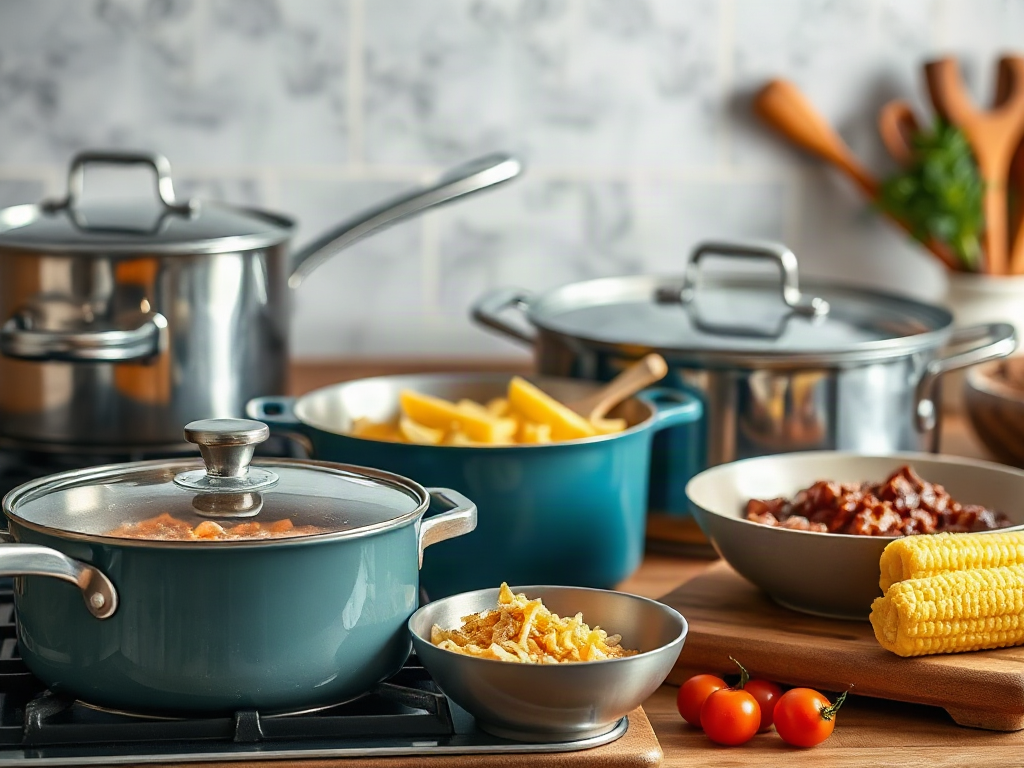
Identify cookware that retains flavor by checking its cooking surface, heat stability, and reaction with acidic or strongly seasoned foods. Uncoated stainless steel, enamel, glass, and well-maintained seasoned cast iron generally preserve a dish’s intended taste when used within their limits. Look for an even surface without peeling, deep scratches, rust, or trapped odors, then test the pan with water heating and a mild tomato or vinegar-based preparation. Bitter, metallic, detergent-like, or lingering flavors may signal reactivity, damaged coating, residue, or poor cleaning. Matching the material to the recipe matters: acidic sauces favor nonreactive surfaces, while seasoned iron can add desirable browning but may affect delicate or acidic dishes.
What Flavor Retention Actually Depends On
Cookware retains flavor when its cooking surface does not transfer unwanted tastes, odors, residues, or reactive compounds into food. The material matters, but it is only one part of the assessment. Surface condition, seasoning, detergent residue, heating behavior, and the type of food being prepared can all change the final result.
A pan that seems neutral with scrambled eggs may behave differently with tomato sauce, wine, citrus, vinegar, or a long-simmered curry. Acid and salt expose weaknesses more readily because they can interact with reactive metals or loosen residue from a damaged surface. Strongly aromatic foods can also reveal whether a coating or porous seasoning layer holds onto previous flavors.
Some suggestions to consider!
Now retrieving an image set.
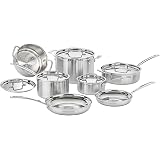
Cuisinart MultiClad Pro 12-Piece Stainless Steel Cookware Set, MCPS-12N | Tri-ply clad construction with heat surround technology, brushed stainless steel, 12-piece set
$274.04 (as of October 15, 2026 19:09 GMT +00:00 - More infoProduct prices and availability are accurate as of the date/time indicated and are subject to change. Any price and availability information displayed on [relevant Amazon Site(s), as applicable] at the time of purchase will apply to the purchase of this product.)
Now retrieving an image set.
Redchef Ceramic Pots and Pans Set Non Stick, Detachable Cookware Set 5 Pcs | Non Toxic Induction Compatible, Dishwasher & Oven Safe, Space Saving, PTFE Free, Camping/RV/Traveling, Reliable Gift
$39.99 (as of October 15, 2026 19:09 GMT +00:00 - More infoProduct prices and availability are accurate as of the date/time indicated and are subject to change. Any price and availability information displayed on [relevant Amazon Site(s), as applicable] at the time of purchase will apply to the purchase of this product.)
Now retrieving an image set.
Anymark 16PCS Pots and Pans Set Non Stick Cookware (white, 16pieces) | Beautiful Great Value Food Cooks Evenly Cleans Easily With Frying Pan
$39.98 (as of October 15, 2026 19:09 GMT +00:00 - More infoProduct prices and availability are accurate as of the date/time indicated and are subject to change. Any price and availability information displayed on [relevant Amazon Site(s), as applicable] at the time of purchase will apply to the purchase of this product.)Flavor retention does not mean that every pan should produce a completely neutral result. A seasoned cast-iron skillet may contribute a faint iron note to acidic foods while also delivering strong browning. That tradeoff may be welcome for cornbread or steak but less suitable for a delicate cream sauce. The useful question is whether the pan preserves the intended flavor for the food you regularly cook.
Start by examining the pan when it is clean and dry. A stable surface should be intact, free of peeling or flaking, and reasonably easy to clean without aggressive scrubbing. Pay attention to smells before cooking: stale oil, dish soap, smoke, or old spices can remain in porous seasoning and may be mistaken for a material problem. A neutral-smelling surface gives you a more reliable baseline for judging how to identify cookware that retains flavor.
A common mistake is blaming cookware for every off-note. Burnt garlic, overheated oil, poorly rinsed detergent, and food stored in the pan overnight can all affect taste. Test the vessel with a simple preparation before rejecting it, and compare the result with the same ingredients cooked in a known-clean pan.
How Materials React With Food
Cookware materials differ in how readily they interact with ingredients. Stainless steel is generally a practical neutral choice because its cooking surface is nonporous and handles acidic recipes well when intact. It may develop stuck-on residue if the pan is overheated or insufficiently preheated, but that problem is usually related to technique rather than flavor transfer.
Enamel-coated cast iron combines a heavy heat-holding body with a glass-like cooking surface. The enamel is useful for tomato sauce, braises, and fruit-based dishes because it separates the food from the iron beneath it. Chips, exposed metal, or rough damaged areas deserve attention; they can trap residue and make the surface harder to clean consistently.
Glass and glazed ceramic surfaces are also relatively nonreactive, although they may heat differently from metal and can be less forgiving when a recipe requires rapid temperature changes. Bare aluminum and copper are efficient conductors, but they are commonly lined or anodized when used with acidic foods. The condition of that lining is more important than the label on the exterior.
Seasoned cast iron and carbon steel require a different judgment. Their polymerized oil layer can provide a useful cooking surface, but it is not chemically identical to enamel or stainless steel. Long cooking with tomatoes, vinegar, or wine may weaken seasoning and may produce a metallic taste, especially in a new or thinly seasoned pan. That does not make the material unsuitable; it means the recipe and pan condition must match.
Nonstick coatings can preserve delicate flavors well when they are clean and intact, particularly for eggs, fish, and low-fat cooking. They are not ideal for very high-heat searing, and a scratched, blistered, or peeling surface should not be treated as equivalent to a new one. Avoid assuming that a premium price automatically means better flavor retention. A modest stainless pan in good condition may be a more dependable choice than an expensive vessel with damaged coating or neglected seasoning.
When comparing materials, prioritize the surface that touches the food, not just the number of layers or the weight of the pan. Construction affects heat behavior, but the food-facing finish determines much of the direct flavor interaction.
A Practical Cookware Flavor Test
A controlled home test can reveal whether a pan is introducing unwanted flavor. Use the same water, oil, ingredients, cooking time, and heat setting in two vessels whenever possible. A comparison against a clean, familiar pan is more informative than tasting one recipe prepared without a reference.
Begin with a plain water check. Wash and rinse the pan thoroughly, dry it, and heat a small amount of water until it is warm but not aggressively boiling. Smell the steam only after removing the pan from heat and cooling it enough to handle safely. Soap, old oil, rust, or burnt residue may become noticeable at this stage. The test is not a scientific proof, but it can identify an obvious cleaning or storage issue.
Next, prepare a small amount of a mildly acidic food, such as a simple tomato and olive oil sauce. Keep the recipe uncomplicated: tomato, water, salt, and perhaps one herb are enough. Simmer briefly, then taste the sauce from the test pan and the comparison pan separately. Metallic, bitter, smoky, chemical, or stale notes are warning signs, though seasoning, ingredient quality, and scorching must also be ruled out.
For a second comparison, cook an egg or a plain piece of bread with a small amount of oil. This reveals whether the pan carries detergent, old seasoning, or strong previous aromas into a mild food. A porous seasoned pan may pass the tomato test poorly but perform well with the egg once it has been cleaned and reseasoned. A nonstick pan may preserve the egg’s flavor while failing to provide the browning needed for meat or vegetables.
Use this compact checklist during the test:
- Inspect for chips, peeling, deep scratches, rust, or sticky oil buildup.
- Rinse until no detergent scent remains.
- Compare a mild food with a known-clean pan.
- Test both a neutral recipe and a mildly acidic recipe.
- Repeat after cleaning or reseasoning before making a final judgment.
The common failure is changing several variables at once. If you switch the oil, burner, ingredients, and pan together, you cannot identify the cause of the flavor difference. A small, repeatable test produces better evidence than a single disappointing meal.
Surface Condition, Cleaning, and Heat Control
Surface condition often matters more than cookware marketing claims. A smooth, intact surface releases food residue more predictably and is easier to rinse completely. Deep scratches, pitting, flaking, and baked-on grease create places where aromatic compounds and cleaning products can remain. Those residues may return when the pan is reheated.
Cleaning should match the material. Stainless steel and enamel can usually tolerate thorough washing with an appropriate nonabrasive cleaner, while seasoned cast iron needs protection from prolonged soaking and harsh treatment that strips its oil layer. Nonstick cookware generally benefits from gentle utensils and cleaning methods that avoid damaging the coating. Follow the manufacturer’s care instructions when they are available, especially for coated surfaces.
Heat control affects flavor in two ways. Uneven heating can scorch oil, garlic, spices, or milk proteins, creating bitterness that may be mistaken for material reactivity. Excessive heat can also degrade a coating or burn seasoning. A heavy pan may hold heat well but respond slowly when the burner is reduced; a thin pan may respond quickly but create hot spots. Neither is automatically better for every dish.
For example, a thick enameled pot is useful for a stew because steady heat reduces localized scorching, while a responsive stainless skillet may be preferable for adjusting a quick pan sauce. A lightweight aluminum pan can heat rapidly but needs closer attention if the burner runs hot. Choosing based only on weight misses the relationship between the vessel, burner, and recipe.
Signs that the approach is working include a clean smell after washing, no unusual taste in a mild sauce, and predictable browning without blackened patches. Signs of failure include recurring metallic notes, food picking up yesterday’s curry aroma, a sticky surface after washing, or visible coating damage. Reclean and retest first; replace the pan when the surface is permanently compromised or the unwanted flavor persists without another explanation.
Choosing the Right Pan for the Recipe
The most reliable choice depends on the food’s acidity, cooking duration, heat level, and desired browning. For tomato, citrus, vinegar, wine, and fruit sauces, favor an intact nonreactive surface such as stainless steel, enamel, glass, or a suitable coated pan. These materials reduce the chance that the vessel will alter a bright or delicate flavor during simmering.
For searing steak or vegetables, cast iron, carbon steel, and stainless steel can all be useful because they tolerate high heat and encourage browning when properly preheated. Their flavor profile depends heavily on the condition of the surface. A clean stainless skillet is a strong neutral option; seasoned iron may add a subtle character while retaining heat efficiently. If the dish will later receive an acidic sauce, deglaze and simmer it in a compatible pan rather than leaving it for a long period on bare iron.
For eggs, crepes, and delicate fish, an intact nonstick surface can reduce sticking and limit the need for excess oil. Its limitation is heat tolerance and longevity. A pan that works beautifully for omelets may be the wrong tool for aggressive searing. Matching the pan to the task protects both flavor and surface life.
Prioritize these factors in order:
- Choose a food-facing surface compatible with the recipe.
- Reject visible damage, persistent odors, and difficult-to-remove residue.
- Match heat retention and responsiveness to the cooking method.
- Use cleaning and seasoning practices that preserve the surface.
- Confirm performance with a small comparison test before replacing a full set.
Shopping for a complete cookware set can create unnecessary compromises. A small combination of stainless steel, an enameled pot, and a suitable skillet may cover more flavor-sensitive tasks than a large set built around one material. If your cooking centers on acidic sauces, prioritize neutral surfaces. If you mostly sear and roast, prioritize heat stability, then reserve a separate pan for long acidic cooking.
For more practical selection criteria, use how to identify cookware that retains flavor as a checklist rather than treating it as a single-material rule. Flavor preservation is a use-case decision: the best pan is the one that stays clean, stable, and compatible with the food you actually prepare.
Manufacturer care instructions, university extension cooking resources, and recognized food-safety organizations can provide useful material-specific guidance. Check those sources for cleaning limits, coating care, and safe use temperatures when a pan’s surface or construction is unclear.
Frequently Asked Questions
Which cookware materials are least likely to change food flavor?
Intact stainless steel, enamel, glass, and suitable ceramic surfaces are generally reliable choices for preserving the intended taste of acidic and delicate foods.
Can cast iron make food taste metallic?
It can, particularly when the seasoning is new or weak and the recipe is acidic or cooked for a long time. Use enamel or stainless steel for extended tomato, vinegar, or wine-based dishes.
How can I tell whether a pan has retained old flavors?
Wash and rinse it thoroughly, then heat water and prepare a mild food such as an egg. Persistent curry, soap, rancid oil, or smoky aromas suggest residue, seasoning buildup, or coating problems.
Does heavier cookware retain flavor better?
Weight mainly affects heat retention and temperature stability. It does not guarantee neutral flavor; the food-facing surface, cleanliness, and recipe compatibility matter more.
When should cookware be replaced?
Replace or retire a pan when it has peeling or blistered coating, deep pitting, severe rust, exposed damaged enamel, or persistent unwanted flavor after proper cleaning and retesting.
Conclusion
Flavor-preserving cookware is identified through use, not appearance alone. Inspect the food-facing surface, remove possible detergent or oil residue, and compare a neutral food with a mildly acidic preparation in a known-clean pan. Stainless steel and enamel are versatile choices for sauces, while seasoned cast iron and carbon steel are valuable for browning but need more careful recipe matching. Nonstick surfaces can protect delicate flavors when intact, although they have different heat and durability limits. Prioritize surface condition, recipe compatibility, and controllable heating before buying a large set. A small, repeatable test will usually reveal whether an off-note comes from the material, the seasoning, cleaning, or cooking technique.