What Flavor Retention Means in Cookware
Cookware retains flavor when it allows the food’s natural taste, aroma, and browned notes to remain dominant instead of adding metallic, detergent-like, stale-oil, or smoky flavors. The issue is not usually that a pan “holds” every flavor permanently. It is more often a matter of chemical reactivity, porous or damaged surfaces, trapped residue, and the way the vessel handles heat.
A clean, stable surface is the first signal to inspect. A pan that looks attractive but has flaking coating, deep scratches, sticky seasoning, or a lingering smell may transfer more unwanted character than an older pan with a plain but sound cooking surface. Smell the pan after washing and drying it. If it still smells of yesterday’s curry, rancid oil, soap, or burnt food, treat that as evidence that the surface or cleaning routine needs attention.
Heat behavior matters because scorching changes flavor even when the material itself is nonreactive. Thin cookware can create hot spots that burn garlic, milk, sugar, or spices before the rest of the food cooks. A heavier base usually moderates temperature changes, but it can also respond slowly when a recipe requires quick adjustments. The best choice depends on the food, not simply on weight or price.
For example, a tomato sauce cooked in a clean stainless-steel saucepan is unlikely to pick up a material taste, but a thin pan may scorch the bottom and create bitterness. An enameled cast-iron pot may distribute heat more steadily, while a well-seasoned cast-iron skillet can add excellent browning but may be a less convenient choice for a long acidic simmer if its seasoning is weak. Flavor retention is therefore a performance question with several observable clues.
Some suggestions to consider!
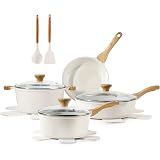


SENSARTE Nonstick Ceramic Cookware Set, 13-pcs Non-toxic Pots and Pans Set | Healthy Kitchen Cooking Set with Stay-Cool Handles, Silicone Tools and Pot Protectors, PFAS Free
$65.94 (as of October 14, 2026 19:08 GMT +00:00 - More infoProduct prices and availability are accurate as of the date/time indicated and are subject to change. Any price and availability information displayed on [relevant Amazon Site(s), as applicable] at the time of purchase will apply to the purchase of this product.)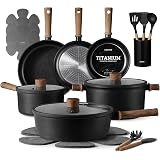
Now retrieving an image set.
CAROTE 21pcs Pots and Pans Set, Nonstick Cookware Sets | Titanium Reinforced Coating, Scratch-Resistant, Easy to Clean, Even Heating, Induction Compatible, with Frying Pans Set
$89.99 (as of October 14, 2026 19:08 GMT +00:00 - More infoProduct prices and availability are accurate as of the date/time indicated and are subject to change. Any price and availability information displayed on [relevant Amazon Site(s), as applicable] at the time of purchase will apply to the purchase of this product.)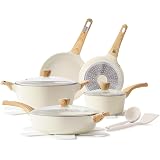
Now retrieving an image set.
SENSARTE Ceramic Cookware Sets, Pots and Pans Set Non stick, 14 Piece Induction Cookware, Non toxic Healthy Non Stick Kitchen Cooking Set, with Frying Pans Set, PFAS PTFE PFOA PFOS Free
$79.99 (as of October 14, 2026 19:08 GMT +00:00 - More infoProduct prices and availability are accurate as of the date/time indicated and are subject to change. Any price and availability information displayed on [relevant Amazon Site(s), as applicable] at the time of purchase will apply to the purchase of this product.)Use the related resource how to identify cookware that retains flavor as a checklist when comparing a new pan with one already in your kitchen. Prioritize surface integrity and heat control before decorative finishes, matching lids, or a large collection of accessories.
How Materials Affect Taste
Cookware materials differ in how readily they react with food, how much heat they store, and whether their surface depends on a coating or seasoning layer. Those differences explain why one pan can handle an acidic braise comfortably while another may be better reserved for quick sautéing.
Stainless steel is a practical benchmark because its cooking surface is comparatively stable and easy to inspect. It works well for reductions, vegetables, proteins, and acidic ingredients when the pan is clean and the food is not left burning against the base. Its weakness is heat management: an inexpensive, thin stainless pan may produce uneven browning or scorched patches. A bonded or thicker base can improve consistency, but it does not make careless preheating harmless.
Enameled cast iron combines a glass-like interior with substantial heat retention. The enamel does not require seasoning and is generally suited to soups, tomato-based dishes, wine sauces, and slow braises. Check for chips, exposed iron, or rough areas around the rim. Small exterior marks may be cosmetic, but interior damage can make cleaning more difficult and may allow residue to remain in the damaged area.
Bare cast iron can preserve flavor well when its seasoning is smooth, dry, and free from rancid oil. Seasoning is not a permanent plastic coating; it is a baked-on layer of polymerized oil that requires sensible maintenance. A sticky surface or strong stale smell signals a problem with excess oil or storage, not a desirable “seasoned” character. Acidic foods may taste metallic or weaken the seasoning when cooked for extended periods, particularly in a newly seasoned pan.
Uncoated aluminum and copper transfer heat efficiently, but their suitability depends on whether the food contacts a protective lining. Bare reactive surfaces deserve caution with acidic or strongly alkaline ingredients because the interaction can affect taste and, in some cases, appearance. Nonstick cookware usually has a stable food-contact coating when intact, but scratches, peeling, overheating, and residue around the edges are reasons to retire or replace the pan according to the manufacturer’s guidance.
A common mistake is ranking materials as universally good or bad. A stainless skillet may outperform cast iron for a quick pan sauce because it releases browned fond into a deglazing liquid, while enameled cast iron may be more forgiving for a long stew. Match the material to the recipe’s acidity, duration, heat level, and need for browning.
Surface Condition, Seasoning, and Odor Transfer
The condition of the cooking surface often has more influence on unwanted flavor than the label stamped on the underside. Inspect the inside under bright light for peeling, blisters, deep grooves, rough corrosion, sticky patches, and dark residue that does not come away with normal cleaning. A smooth, intact surface is easier to wash completely and less likely to trap aromas from strongly seasoned foods.
Odor transfer is especially noticeable with garlic, fish, chilies, curry pastes, and toasted spices. Stainless steel and enamel are usually easier to deodorize because they do not depend on an absorbent seasoning layer. Cast iron can still be perfectly usable, but its seasoning and storage require more discipline. Washing away all seasoning with harsh treatment is unnecessary, yet leaving greasy residue to “protect” the pan can create stale flavors.
Cleaning products can create their own flavor problem. A pan that feels slippery after rinsing may still carry detergent, particularly around rivets, rolled rims, or textured interiors. Rinse thoroughly, dry promptly, and store the vessel where air can circulate. Do not place a damp cast-iron pan in a cupboard or stack a wet lid against it; trapped moisture and oil can produce odors that later migrate into food.
Consider a simple comparison test before trusting a questionable pan. Wash it using the normal method, dry it, and smell the interior. Heat a small amount of plain water, discard it, and smell the pan again after it cools. This will not identify every chemical issue, but a persistent odor or visible film is a practical warning. Never taste residue from cookware.
Another weak assumption is that blacker seasoning automatically means better flavor performance. Color does not prove that seasoning is smooth, stable, or free of old oil. A thin, even, well-maintained layer may work better than a thick, gummy buildup. If food tastes bitter or smells stale despite fresh ingredients, test the pan by preparing a neutral item such as plain rice or lightly seasoned vegetables in a different vessel. That comparison helps separate cookware problems from ingredient or technique problems.
For maintenance decisions, how to identify cookware that retains flavor includes checking the surface after every deep cleaning, not only when a dish tastes wrong. Early attention to residue is easier than trying to remove months of accumulated odor.
A Practical Cookware Flavor Test
A short, repeatable test can reveal whether a pan is likely to preserve delicate flavors. Begin with a clean, dry vessel and inspect the food-contact area. Next, heat it gradually with a small amount of neutral cooking oil, watching for uneven smoking or a sharp burnt smell before adding ingredients. Excessive smoking at a moderate setting suggests residue, a hot spot, or an unsuitable heat level.
Test one neutral food and one challenging food rather than judging the pan from a single recipe. Plain rice, unsalted vegetables, or a lightly seasoned egg can reveal detergent or stale-oil notes. A small batch of tomato sauce, lemon-butter sauce, or wine-based pan sauce tests how the vessel behaves with acidity. Use modest quantities so the result is easy to discard if the surface or temperature control is unsatisfactory.
Record what happens at each stage:
- Before cooking: note any odor, tackiness, flaking, or visible residue.
- During heating: look for isolated smoking, rapid scorching, or delayed response when the burner is lowered.
- After cooking: check whether food sticks in a burnt ring, whether the pan cleans normally, and whether the surface retains the recipe’s aroma.
Heat distribution is easy to confuse with material reactivity. If only one small area burns, the main problem may be burner contact or pan geometry rather than flavor transfer from the metal. Rotate the pan only if the recipe allows it, use a suitable burner size, and avoid placing a cold pan over extreme heat. A heavier vessel may improve stability, but it will not correct a warped base.
Compare the suspect pan with a clean stainless or enamel pan while preparing the same small recipe. Keep the ingredients, burner setting, and cooking time as similar as practical. If the flavor difference appears only after long acidic cooking, material interaction or seasoning wear deserves attention. If both pans taste burnt, revise the heat and stirring technique instead.
The test has limits: it cannot certify a coating, identify every manufacturing defect, or replace the manufacturer’s care instructions. Stop using cookware that is visibly peeling, cracked on the food-contact surface, or otherwise failing in a way the instructions do not address. This practical screening method is for flavor and condition, not a substitute for product-safety guidance.
Choosing the Right Pan for Specific Foods
The most reliable choice follows the food’s chemistry and cooking time. Delicate sauces, custards, milk, and sugar need even heat and careful temperature control because scorching can overwhelm subtle flavors. A thick-bottomed stainless saucepan or sound enameled vessel may be preferable to a very thin pan. Nonstick can be useful for eggs and other foods that benefit from gentle release, provided its surface remains intact and the heat stays within the manufacturer’s limits.
Tomatoes, vinegar, citrus, wine, and fruit-based sauces place more demands on the cooking surface. Enameled cast iron and good stainless steel are generally practical options for these dishes. Bare cast iron may work for a brief sauté, but a long simmer can expose weak seasoning and produce a metallic note. Copper is highly responsive, yet its lining and condition must be verified before using it for acidic food.
For high-heat browning, cast iron and thick stainless steel offer different advantages. Cast iron stores substantial heat and can sear a steak or brown mushrooms effectively, but it responds slowly when the burner is reduced. Stainless steel releases fond during deglazing and is easier to use for a pan sauce, although food may stick if the surface is too cool, too hot, or insufficiently oiled. Neither result proves that one material always retains more flavor.
Budget and storage constraints also matter. One sound stainless skillet and one enameled or stainless saucepan may cover more flavor-sensitive tasks than a large mixed set with several poorly made pieces. If you cook mostly acidic soups, choose an easy-clean stable surface. If you cook dry, high-heat foods and value browning, prioritize mass and a flat base. If easy cleanup is the main need, an intact nonstick pan can be sensible for its intended tasks, but it should not be treated as a universal searing or broiling vessel.
Before buying, check the manufacturer’s material description, heat limits, cleaning instructions, and warranty language. Marketing terms such as “premium,” “natural,” or “professional” do not reveal whether the food-contact surface is reactive or durable. The useful questions are concrete: Is the interior lined? Can it handle acidic food? Does the base sit flat? What happens if the coating is scratched? Those answers provide more flavor guidance than appearance alone.
Readers comparing several options can return to how to identify cookware that retains flavor and rank each pan by surface condition, reactivity, heat behavior, and cleaning demands. That approach avoids replacing a perfectly usable pan merely because another material is fashionable.
Frequently Asked Questions
Which cookware material is least likely to change food flavor?
Clean stainless steel and intact enamel are practical low-reactivity choices for many foods. Their performance still depends on avoiding scorching and removing residue.
Can cast iron make food taste metallic?
It can, particularly when the seasoning is weak or when acidic food cooks for a long time. A smooth, well-maintained surface is less likely to create that result.
Does a dark pan retain flavor better than a light one?
No. Color alone does not show whether seasoning is stable, a coating is intact, or residue has been removed.
How can I test a pan for lingering odors?
Wash and dry it normally, smell the empty interior, then heat and cool a small amount of water before checking again. Persistent odors or visible film call for deeper cleaning or replacement advice.
Is nonstick cookware suitable for flavor-sensitive foods?
Intact nonstick cookware can be useful for eggs, fish, and other delicate foods because it reduces sticking and scorching. Follow the maker’s heat and utensil instructions, and replace a pan with peeling or damaged coating.
Conclusion
Flavor-preserving cookware is identified through evidence you can inspect: a clean and intact food-contact surface, suitable reactivity for the ingredients, steady heat behavior, and a maintenance routine that does not leave odors or old oil behind. Stainless steel and enamel are versatile choices for acidic foods, while cast iron rewards careful seasoning and is especially useful for browning. A pan that looks expensive can still perform poorly if it has hot spots, damage, or trapped residue.
Before replacing cookware, run a small comparison test with a neutral food and an acidic sauce. Note whether the flavor problem follows the pan, the heat setting, or the cleaning process. Then choose future pieces by recipe needs, surface condition, and care requirements rather than by material reputation alone.