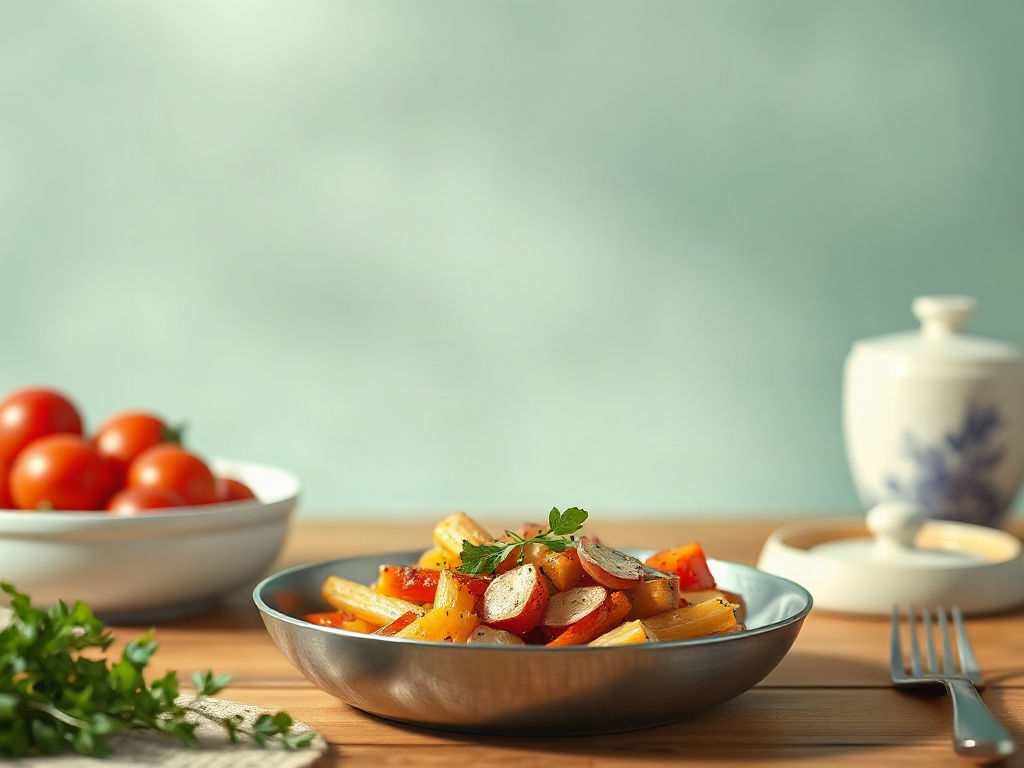
Cookware shapes food presentation at the table by controlling color contrast, serving temperature, portion visibility, and the transition from kitchen to diner. A dark skillet can emphasize golden crusts, while pale enamel makes sauces and vegetables appear brighter; shallow vessels expose ingredients, whereas deep pots conceal them. Table-ready pans also preserve heat and reduce disruptive transfers, but oversized, stained, or awkwardly handled pieces can make service look careless. The strongest presentation comes from matching the vessel’s material, scale, depth, and condition to the food while ensuring that hot cookware remains stable and safe around diners.
How Does Cookware Shape Visual Presentation?
Cookware establishes the visual boundary around a dish before the diner notices individual ingredients. Its color, finish, rim height, and proportions influence whether food appears vivid, abundant, rustic, refined, or crowded. A blistered tomato sauce served in a pale enameled braiser reads differently from the same sauce in a dark, deep stockpot: the first creates color separation and exposes the surface, while the second absorbs light and hides much of the food below the rim.
Some suggestions to consider!
Now retrieving an image set.
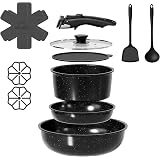
OzawaBear 12 Pcs Pots and Pans Set Non Stick, Detachable Handle Cookware | Ceramic Cookware Set Non Toxic, Healthy Induction Cookware Oven Safe RV Kitchen Set, PFAS PFOA & PTFE Free, Black
$36.99 (as of October 22, 2026 19:19 GMT +00:00 - More infoProduct prices and availability are accurate as of the date/time indicated and are subject to change. Any price and availability information displayed on [relevant Amazon Site(s), as applicable] at the time of purchase will apply to the purchase of this product.)
Now retrieving an image set.
Calphalon Classic Stainless Steel Cookware Set, 10-Piece, Impact-Bonded Aluminum Base, Stay-Cool Handles, Oven Safe 450F, Silver
$132.99 (as of October 22, 2026 19:19 GMT +00:00 - More infoProduct prices and availability are accurate as of the date/time indicated and are subject to change. Any price and availability information displayed on [relevant Amazon Site(s), as applicable] at the time of purchase will apply to the purchase of this product.)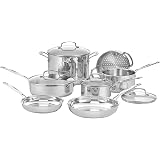
Now retrieving an image set.
Cuisinart Chef's Classic 11-Piece Stainless Steel Cookware Set, 77-11G | Pure aluminum encapsulated base for even heat, pots and pans set, uncoated mirror finish, induction safe, 11-piece
$171.34 (as of October 22, 2026 19:19 GMT +00:00 - More infoProduct prices and availability are accurate as of the date/time indicated and are subject to change. Any price and availability information displayed on [relevant Amazon Site(s), as applicable] at the time of purchase will apply to the purchase of this product.)Contrast deserves priority because the vessel acts as the background. Golden cornbread, browned dumplings, and roasted potatoes stand out against black cast iron. Dark braised mushrooms or deeply colored beans are easier to distinguish in cream, white, or light gray enamel. Highly reflective stainless steel can add brightness, but glare from overhead lighting may compete with glossy sauces or make fingerprints conspicuous. A matte or lightly textured interior often produces a calmer visual field.
Shape controls how much of the meal diners can see. Wide, shallow cookware reveals separate ingredients and browned surfaces, making it well suited to paella, baked pasta, gratins, roasted vegetables, and skillet desserts. Tall-sided pots emphasize volume but limit visibility from a seated position. They remain practical for soups and stews, although a lower casserole or Dutch oven may present those foods more clearly if it provides enough capacity and safe handles.
The food itself must remain the focal point. Decorative handles, bold exterior colors, and unusual silhouettes can support a table setting, but they should not overpower subtle food. A bright red casserole may suit a casual tomato-based meal, yet compete with a delicately colored risotto. Neutral cookware is more adaptable, while distinctive pieces work best when their color reinforces the ingredients or occasion.
A useful visual check is to place the filled vessel at the intended viewing height before service. Look for visible ingredients, clean contrast, open space around the rim, and an obvious serving direction. If the food appears sunken, move it to a shallower vessel. If the surface looks monotonous, expose browned elements or add an appropriate finishing ingredient rather than relying on an ornamental pan to create interest. The common failure is selecting cookware for appearance alone; presentation weakens quickly when the vessel hides the dish or makes serving awkward.
When Should Cookware Reach the Table?
Cookware belongs on the table when direct service preserves a valuable quality of the dish or creates a coherent communal experience. A cast-iron skillet can keep cornbread warm and retain its crisp edge. A lidded casserole protects the moisture and temperature of baked beans or a gratin until diners are ready. A shallow braiser allows a family-style main course to move from oven to table without disturbing its arranged surface.
A transfer to separate serveware is preferable when the cooking vessel carries grease on its exterior, has burned residue around the rim, is too deep for comfortable serving, or creates a heat hazard. A beautifully browned roast loses little by moving to a carving board, and the board may provide better access and space for juices. Likewise, pasta boiled in a tall stainless-steel pot gains no visual advantage from appearing in that pot; a warmed serving bowl offers better reach and proportion.
Temperature retention is useful only when it suits the food. Heavy cast iron and thick ceramic stay hot long after leaving the stove or oven, which supports stews, casseroles, and baked dishes. The same retained heat can overcook eggs, tighten a cheese sauce, or continue browning a delicate fish. Stainless-steel pans respond more quickly to removal from heat, although exposed metal handles and polished surfaces require careful handling and cleaning before service.
Direct-from-pan presentation also changes the rhythm of the meal. A shared braiser signals family-style service and lets diners choose portions, while individual plating gives the cook tighter control over composition and quantity. Neither is inherently more attractive. The better choice depends on whether the dish has an intact surface worth displaying, whether guests can reach it without leaning over hot metal, and whether serving utensils can move through the food cleanly.
Before placing any cooking vessel on a dining surface, complete a practical service check:
- Clean the exterior: Remove soot, oil, drips, and baked-on overflow that could mark the table or distract from the food.
- Protect the surface: Use a stable trivet rated for the vessel’s heat and large enough to prevent rocking.
- Control the handles: Turn them away from walkways and provide dry handle covers when appropriate.
- Test serving access: Confirm that the utensil reaches the bottom without scraping diners’ plates or striking a tall rim.
- Allow sensible cooling: Avoid bringing violently bubbling food within easy reach of children or crowded place settings.
A successful pan-to-table choice keeps the dish appetizing through the first round of serving without making diners negotiate heat, weight, or poor access. If guests hesitate to approach the vessel, presentation has become an obstacle rather than an asset.
Matching Vessel Shape, Material, and Scale to the Food
The best presentation vessel reflects how the food was cooked, how it will be portioned, and how quickly it should cool. Material affects surface color and heat retention, shape affects visibility and serving access, and scale affects perceived abundance. These qualities should be considered together rather than treating an attractive finish as the sole selection criterion.
Cast iron suits foods with a rugged surface or pronounced browning, including cobblers, cornbread, seared meats, and roasted roots. Its dark interior highlights pale crusts and colorful garnishes, but the weight can be difficult to pass. Enameled cast iron provides similar visual substance with more color options and a smoother interior. It remains heavy, and chipped enamel or dark scorch marks around a light rim become conspicuous at the table.
Stainless steel communicates a clean, professional character and works well for mussels, sautéed greens, shallow braises, or foods served from a polished sauté pan. Its neutral color does not compete with ingredients. Yet a scratched interior, rainbow heat tint, or oily exterior is more visible under dining-room light. Copper offers a warmer visual tone, especially with autumnal foods, but its care requirements and hot handles can make it less convenient for relaxed communal service.
Earthenware and ceramic baking dishes create a softer, domestic setting for lasagna, fruit crisps, baked rice, and gratins. Their straight sides make tidy portions possible, although thick walls reduce visible food area. Glass bakeware reveals layers from the side, which can benefit a layered casserole, but browned residue along the upper edge remains visible. Glass also lacks the visual contrast of opaque ceramic and should be handled according to its manufacturer’s thermal-use instructions.
Scale is where otherwise suitable choices often fail. An oversized vessel makes a normal amount of food look sparse and allows sauces to spread into a thin layer. An overfilled vessel hides structure, soils the rim, and creates spills during serving. For family-style presentation, food should occupy the vessel confidently while leaving enough exposed rim for a clean boundary and enough room for the serving utensil.
| Food Character | Useful Vessel Quality | Presentation Benefit | Watch For |
|---|---|---|---|
| Browned or crisp surface | Wide, shallow dark pan | Exposes crust and strengthens contrast | Residual heat softening or overcooking the food |
| Colorful vegetables or pale sauce | Light enameled interior | Separates ingredient colors clearly | Stains and scorched rim marks |
| Layered baked dish | Straight-sided ceramic or glass | Supports clean portions and visible layers | A vessel too deep for easy serving |
| Soup, stew, or braise | Low casserole with a lid | Retains warmth while improving visibility | Steam, heavy handles, and difficult reach |
Test the complete arrangement with the actual quantity whenever presentation matters. A vessel that looks proportionate when empty may overwhelm a four-serving recipe. The right match lets diners recognize the food immediately, reach it comfortably, and see its strongest texture rather than merely showcasing the pan.
Which Cookware Presentation Mistakes Matter Most?
The most damaging mistakes are those that make food look neglected or make service uncomfortable. Worn cookware is not automatically unattractive; a seasoned skillet can convey continuity and craft. The problem arises when patina becomes indistinguishable from loose residue, sticky grease, rust, damaged coating, or a rim marked by careless overflow. Condition communicates whether the vessel was deliberately selected or simply left unaddressed after cooking.
Dirty exteriors are especially disruptive because diners encounter parts of cookware that the cook may not inspect during preparation. Check the base, handle joints, lid knob, and outer walls under bright light. Cleaning should follow the manufacturer’s directions and the material’s needs; aggressive polishing can damage seasoned surfaces or alter finishes. If a pan cannot be made table-presentable without compromising its functional surface, keep it in the kitchen and transfer the food.
Over-decoration creates a different problem. Garnishes scattered over an entire pan can hide the texture that direct cookware service is meant to display. Herbs wilt on very hot surfaces, delicate leaves darken, and excessive sauce covers crisp edges. Place finishing elements where they clarify portions or add contrast, and add heat-sensitive ingredients shortly before serving. A skillet of browned chicken, for example, may need only a controlled spooning of sauce and a small fresh accent rather than a blanket of greens.
Mismatched formality can also weaken the setting. A blackened steel pan feels natural at a casual brunch or rustic shared meal, but it may look abrupt among delicate formal place settings. Conversely, a highly polished copper vessel can seem theatrical when the food is a simple side dish. Coordination does not require matching every object. Repeating one visual quality—such as a warm metal tone, matte finish, or restrained color—usually produces a more composed table than assembling identical pieces.
Safety errors cancel any aesthetic benefit. Unmarked hot handles, unstable trivets, and cookware placed where sleeves can catch handles make diners cautious. A lid lifted toward guests can release steam into faces, while a vessel filled to its edge invites spills. Put a heat-resistant landing area in place before the food arrives, announce that the vessel is hot, and position the serving utensil so its handle remains accessible without resting in the food.
Signs that the approach is working include visible main ingredients, clean portions, comfortable reach, stable temperature, and diners serving themselves without hesitation. Signs of failure include sauce continuing to reduce, crisp food becoming soggy, repeated warnings about handles, or guests struggling to see and retrieve portions. Correct those issues by transferring part or all of the dish, adding a rest for hot lids, changing the utensil, or dividing a large recipe between two smaller vessels. Adaptation at the table is better than preserving a visual concept that does not function.
Frequently Asked Questions
Does cookware color change how food looks?
Yes. Dark interiors emphasize pale crusts and golden browning, while light enamel separates dark sauces and colorful vegetables. Choose contrast that reveals the food rather than competing with it.
Is cast iron suitable for table service?
Cast iron works well for heat-tolerant dishes such as cornbread, roasted vegetables, and casseroles. Use a stable trivet, protect hot handles, and remember that retained heat may continue cooking delicate food.
Should food always be served in the pan in which it was cooked?
No. Transfer food when the cooking pan is greasy, excessively deep, awkward to reach, visually distracting, or likely to overcook the dish after leaving the heat.
How full should serving cookware be?
The food should look generous without touching the rim or blocking the serving utensil. Leave a clean visual border and enough working space to lift portions without spills.
Can scratched or stained cookware be used for presentation?
Normal patina may suit informal service if the vessel is clean and sound. Loose residue, rust, sticky grease, severe staining, or a damaged cooking surface calls for different serveware.
Conclusion
Effective cookware presentation begins with the food’s visible strengths and service needs. Favor a vessel that exposes browned surfaces, provides useful color contrast, holds the intended quantity without crowding, and allows portions to be lifted cleanly. Direct-from-pan service is worthwhile when retained heat, an intact baked surface, or a communal format benefits the meal; otherwise, transferring the dish is often the more polished choice.
Before serving, inspect the rim and exterior, control hot handles, set a stable trivet, and view the vessel from a seated diner’s position. If ingredients are hidden, the pan dominates the setting, or guests cannot serve themselves comfortably, change the vessel or the service plan. Presentation succeeds when cookware supports recognition, appetite, temperature, and access without drawing attention away from the dish itself.