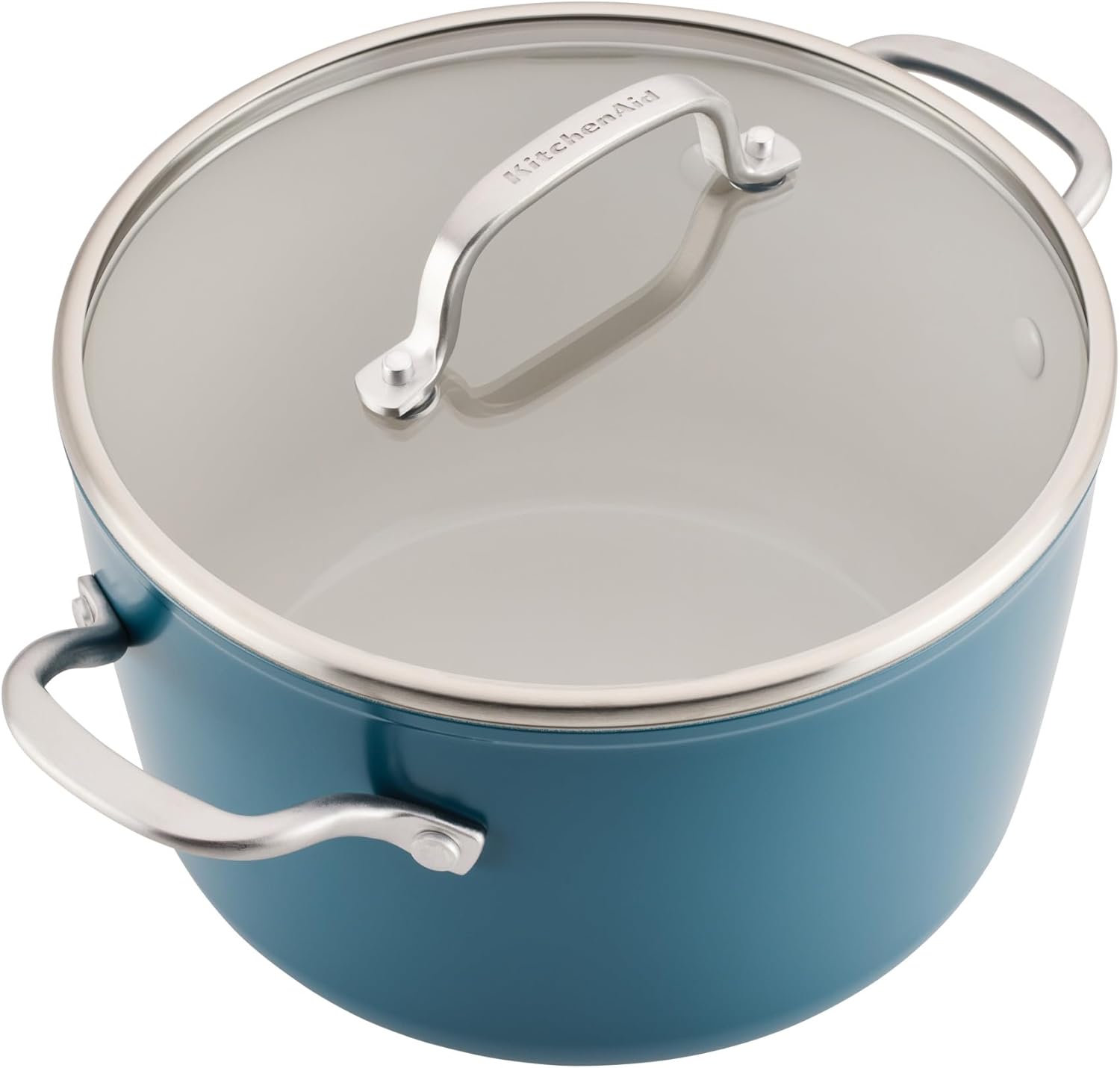
Cookware weight significantly influences cooking performance by affecting heat retention and distribution. Heavier cookware, such as cast iron, retains heat better and distributes it evenly, which is essential for searing and browning. Conversely, lightweight cookware heats up quickly but may lead to hot spots and uneven cooking. Understanding the impact of cookware weight helps in selecting the right tools for various cooking techniques, ensuring better results in the kitchen.
Heat Retention and Distribution
Cookware weight plays a crucial role in heat retention and distribution, which directly affects cooking outcomes. Heavier cookware, like cast iron or stainless steel, tends to retain heat longer once heated, providing a stable cooking environment that is ideal for tasks requiring consistent temperatures, such as slow-cooking or frying. In contrast, lightweight cookware, often made from aluminum or thin stainless steel, heats up quickly but may struggle to maintain even temperatures, leading to uneven cooking results.
The mechanism behind this lies in the thermal mass of the cookware. A heavier pot or pan can absorb and hold more heat, allowing for better heat distribution across the cooking surface. This is particularly beneficial when searing meats, as it helps achieve a desirable crust without overcooking the interior. On the other hand, lightweight cookware may lead to hot spots, where certain areas become excessively hot while others remain cooler, resulting in inconsistent cooking.
Some suggestions to consider!

Now retrieving an image set.
GreenLife 16 Piece Ceramic Nonstick Pots & Pans Cookware Set, Gray | PFAS-Free Nonstick Coating, Stockpot, Frying Pans, Saucepans, Sauté Pan, Stay-Cool Handles, Dishwasher & Oven Safe up to 350F
$64.99 (as of October 24, 2026 19:20 GMT +00:00 - More infoProduct prices and availability are accurate as of the date/time indicated and are subject to change. Any price and availability information displayed on [relevant Amazon Site(s), as applicable] at the time of purchase will apply to the purchase of this product.)
Now retrieving an image set.
Anymark 16PCS Pots and Pans Set Non Stick Cookware (white, 16pieces) | Beautiful Great Value Food Cooks Evenly Cleans Easily With Frying Pan
$59.98 (as of October 24, 2026 19:20 GMT +00:00 - More infoProduct prices and availability are accurate as of the date/time indicated and are subject to change. Any price and availability information displayed on [relevant Amazon Site(s), as applicable] at the time of purchase will apply to the purchase of this product.)
Now retrieving an image set.
Lodge Pre-Seasoned Cast Iron Skillet 3-Piece Set: 8, 10.25 & 12 inch | Non-Toxic & Naturally Non-Stick Cast Iron Pan, Compatible with Oven, Stove, Grill & Campfire, Made in USA
$64.90 (as of October 24, 2026 19:20 GMT +00:00 - More infoProduct prices and availability are accurate as of the date/time indicated and are subject to change. Any price and availability information displayed on [relevant Amazon Site(s), as applicable] at the time of purchase will apply to the purchase of this product.)When selecting cookware, consider the type of cooking you will be doing. For high-heat applications like stir-frying or sautéing, a heavier pan may be more advantageous, while lightweight options may suffice for quick tasks like boiling water.
Cooking Techniques and Performance
The weight of cookware also impacts various cooking techniques and their effectiveness. For instance, when baking, the weight of the bakeware can influence how evenly heat is distributed. Heavy-duty baking pans tend to produce better results, as they maintain temperature more consistently, ensuring that baked goods rise evenly and develop a proper crust.
In frying scenarios, the weight of the skillet can affect how well the oil retains heat. A heavy skillet will maintain the oil temperature better when food is added, preventing the temperature from dropping too low, which can lead to greasy or soggy results. Conversely, a lightweight skillet may cause the oil to cool too quickly, resulting in uneven frying.
Moreover, when using techniques like braising or simmering, a heavier pot can help maintain a steady heat level, allowing for gradual cooking that enhances flavor development. Lightweight cookware may not provide the same level of temperature control, making it less suitable for these methods.
Material Considerations
The material of cookware also affects how weight impacts cooking performance. For example, cast iron is renowned for its heat retention properties, making it an excellent choice for slow-cooking and frying. Its weight allows it to hold heat effectively, providing even cooking and excellent browning.
Stainless steel, while often heavier than aluminum, can vary in weight significantly based on its construction. Tri-ply or multi-ply stainless steel cookware tends to be heavier and provides better heat distribution than single-ply options. This weight helps reduce the risk of warping and ensures that the cookware can withstand high temperatures without damage.
Aluminum cookware, typically lighter, heats up quickly but may not retain heat as effectively. This can be advantageous for certain quick-cooking tasks, but it may not perform as well for tasks requiring consistent heat, such as simmering sauces. When choosing cookware, consider the cooking tasks you perform most often and select materials that align with those needs.
Common Misconceptions
There are several misconceptions regarding cookware weight and its impact on cooking performance. One common belief is that heavier cookware is always better. While it has advantages, such as improved heat retention, it may not be necessary for all cooking tasks. For quick tasks or those requiring rapid changes in temperature, lightweight cookware may be more practical.
Another misconception is that all heavy cookware performs the same. The material and construction play significant roles in how weight affects performance. For instance, a heavy cast iron skillet will perform differently than a heavy stainless steel pan due to their distinct heat conduction properties.
Lastly, some cooks believe that the weight of cookware has no impact on cooking techniques. However, as discussed, weight directly influences heat retention, distribution, and overall cooking performance, making it a critical factor to consider when selecting cookware.
Understanding the nuances of cookware weight and material can significantly enhance your culinary skills. For those interested in diving deeper, consider exploring resources from culinary schools or reputable cooking websites that discuss cookware selection and performance.
Frequently Asked Questions
Does heavier cookware cook food faster?
No, heavier cookware does not cook food faster; it retains heat better, leading to more even cooking.
Is lightweight cookware suitable for all cooking methods?
Lightweight cookware can be suitable for quick cooking methods but may not perform well for techniques requiring consistent heat.
What material is best for heavy cookware?
Cast iron is often considered the best material for heavy cookware due to its excellent heat retention and distribution properties.
Can heavy cookware be a disadvantage?
Yes, heavy cookware can be cumbersome to handle and may not be ideal for tasks requiring quick temperature adjustments.
How do I choose the right cookware weight?
Consider your cooking style and techniques; heavier cookware is best for slow cooking, while lighter options are better for quick tasks.