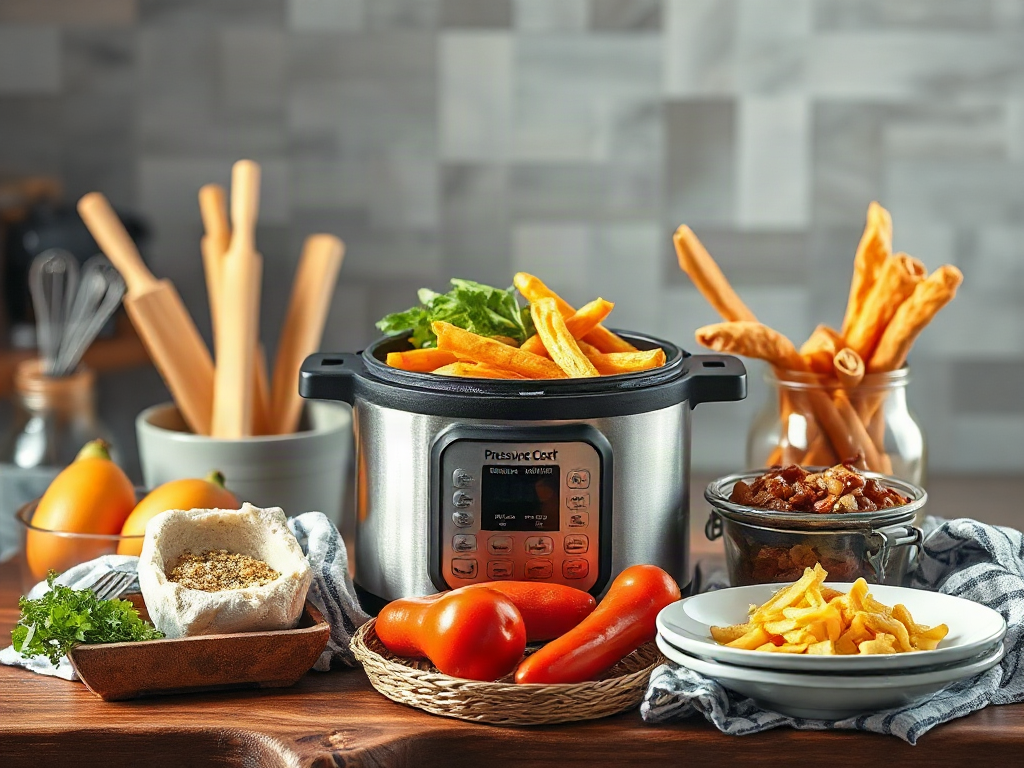
Pressure cooker cookware delivers faster meal preparation, tenderizes firm ingredients, and concentrates cooking into one sealed pot with less stovetop supervision. Pressurized steam raises the cooking temperature above ordinary simmering, which shortens the time needed for beans, braises, grains, and dense vegetables. The enclosed environment also limits evaporation, so recipes generally need less liquid and retain more cooking broth. Those advantages depend on correct fill levels, enough thin liquid, suitable release timing, and an unobstructed valve.
Why Is Pressure Cooker Cookware Faster?
A pressure cooker changes the cooking environment rather than merely applying more burner heat. Its locking lid traps steam, pressure builds inside the vessel, and the temperature of the moist cooking environment rises above that of an uncovered simmer. Dense ingredients therefore soften in less time than they usually require in a conventional pot. The greatest time difference appears in foods that otherwise need prolonged simmering, such as dried beans, chickpeas, beef chuck, pork shoulder, brown rice, and stock made from bones or sturdy vegetable trimmings.
Some suggestions to consider!
Now retrieving an image set.
SENSARTE Ceramic Cookware Sets, Pots and Pans Set Non stick, 14 Piece Induction Cookware, Non toxic Healthy Non Stick Kitchen Cooking Set, with Frying Pans Set, PFAS PTFE PFOA PFOS Free
$79.99 (as of September 29, 2026 19:01 GMT +00:00 - More infoProduct prices and availability are accurate as of the date/time indicated and are subject to change. Any price and availability information displayed on [relevant Amazon Site(s), as applicable] at the time of purchase will apply to the purchase of this product.)
Now retrieving an image set.
Pots and Pans Set Non Stick, 31 Piece Kitchen Induction Cookware & Bakeware Set, Nonstick Kitchen Cooking Pans Set with Frying Pans Set Grill Pan Saucepan Baking Sheet & Utensils, PFOA Free
$113.99 (as of September 29, 2026 19:01 GMT +00:00 - More infoProduct prices and availability are accurate as of the date/time indicated and are subject to change. Any price and availability information displayed on [relevant Amazon Site(s), as applicable] at the time of purchase will apply to the purchase of this product.)
Now retrieving an image set.
SODAY Pots and Pans Set Non Stick, 12Pcs Black Granite Induction Cookware | PFAS/PFOA/PFOS Free, Healthy Nonstick Kitchen Cookware Sets, Includes Fry Pans & Saucepans.
$59.99 (as of September 29, 2026 19:01 GMT +00:00 - More infoProduct prices and availability are accurate as of the date/time indicated and are subject to change. Any price and availability information displayed on [relevant Amazon Site(s), as applicable] at the time of purchase will apply to the purchase of this product.)The sealed design also reduces the repeated attention associated with an open pot. Once the cooker reaches operating pressure and the heat is adjusted appropriately, the food cooks in a controlled, moist environment. There is no need to replace as much evaporated water or stir a braise every few minutes. An electric model regulates its own heating cycle, while a stovetop model requires the user to lower the burner enough to maintain pressure without producing excessive steam. In either case, preparation, pressurization, cooking, release, and cleanup all count toward total meal time.
That last distinction prevents a common disappointment. A recipe described as having a short pressure-cooking time is not necessarily finished that quickly. A full pot of cold beans and water takes time to reach pressure, and a natural pressure release adds another waiting period. Small portions may show a modest total-time advantage, while a large batch of beans or a tough braise usually makes better use of the method. For a meal needed at a precise hour, build the pressurization and release phases into the schedule rather than treating the programmed cook time as the entire process.
Speed does not mean every ingredient should cook together. Potatoes may become soft before a large roast is tender, and quick-cooking green vegetables can lose their preferred texture during a long bean cycle. Better results come from grouping ingredients with similar cooking requirements or adding delicate components after the main pressure phase. If food remains firm, first check whether the cooker reached pressure and whether the timing began at that point. If meat is dry or vegetables collapse, the likely problem is excessive cooking or an unsuitable release method, not inadequate pressure.
Which Foods Benefit Most From Pressure Cooking?
Foods that improve with moist heat are the strongest candidates for pressure cooker cookware. Tough cuts containing connective tissue, dried legumes, whole grains, dense root vegetables, soups, stews, and concentrated broths all suit the enclosed environment. A beef chuck stew, for example, can move from firm cubes and raw aromatics to a tender, cohesive dish without the long uncovered simmer and frequent liquid checks associated with a Dutch oven.
Dried beans illustrate both the benefit and the need for judgment. Pressure cooking can dramatically shorten their preparation compared with ordinary simmering, but bean age, variety, soaking, water chemistry, and acidic ingredients affect the final timing. Tomatoes, vinegar, and other acidic additions are often better introduced after the beans have softened. The pot must also have enough empty capacity for foaming and expansion. Filling a cooker too high with beans, grains, or other expanding foods can interfere with proper operation, so the appliance manual should control the maximum level rather than a recipe photo or guess.
Grains and dense vegetables can cook evenly when liquid ratios and timing are accurate. Brown rice, barley, beets, and whole potatoes are practical examples. Yet pressure cooking leaves little opportunity to inspect texture midway through the cycle. An extra minute under pressure may matter more for a small vegetable than for a large piece of meat. Beginners often get more consistent results by selecting forgiving foods first, recording the amount, size, liquid, pressure setting, and release method, then adjusting one variable on the next batch.
Several foods remain better suited to other cookware. A skillet or roasting pan is preferable when the main goal is a crisp crust, rapid evaporation, or delicate temperature control. Pasta sauces thickened with cheese or dairy may scorch if placed directly on the base without an appropriate method. Fish fillets, leafy greens, and tender vegetables can overcook during the time required for pressure to fall. Pressure cookers can brown ingredients before sealing, but the enclosed cooking phase does not preserve that crust. Meat that needs a roasted exterior may require searing before pressure cooking, broiling afterward, or both.
A practical food-selection check is short:
- Choose pressure cooking for foods that need moisture, tenderization, or a long conventional simmer.
- Use another method when crispness, reduction, visual monitoring, or second-by-second doneness matters most.
- Divide the process when a dish needs both tender interiors and browned surfaces.
Efficiency, Flavor, and Cleanup Advantages
A sealed cooker uses liquid differently from an open saucepan. Because relatively little vapor escapes during the pressurized phase, recipes commonly need less cooking liquid and produce less reduction. Aromatic broth, rendered meat juices, and seasoning remain in the vessel instead of steadily leaving as steam. This can produce a full-flavored stew or bean pot, but it does not automatically make every dish more concentrated. Too much initial water still creates a thin result because the cooker cannot evaporate it rapidly while sealed.
The practical response is to follow a pressure-specific liquid quantity rather than converting an ordinary recipe without adjustment. The pot needs the minimum amount of thin liquid specified by its manufacturer to generate steam, but adding the volume used for an uncovered simmer may leave excess broth. If a sauce is watery after pressure release, remove the lid and simmer it to the desired consistency. If a thick tomato sauce or sugary mixture scorches before pressure forms, thin liquid may not have reached the heated base, or stuck-on browned bits may have remained after sautéing.
One-pot sequencing can reduce washing and preserve browned flavor. A cook might sear beef, remove it briefly, soften onions, deglaze the base, return the meat with stock, and pressure-cook the mixture in the same vessel. Deglazing is more than a flavor step: it lifts cooked-on residue that could trigger overheating or scorching. After pressure cooking, vegetables can be added for a short final simmer rather than subjected to the full meat cycle. This approach uses one main pot without forcing every ingredient into the same timing window.
Pressure cooking may also reduce active burner time for long-cooking foods, although actual energy use varies with cooker type, batch size, heat source, and recipe. A stovetop cooker generally reaches pressure differently from an electric multicooker, and electric models trade some raw heating speed for automation. The more meaningful household advantage is often operational: batch-cooking chickpeas, shredded meat, lentil soup, or stock in one session can supply several later meals while limiting repeated prep and cleanup.
Signs that the method is working include a stable pressure indicator, controlled steam behavior appropriate to the model, food that is evenly tender, and enough remaining liquid to avoid scorching. Warning signs include persistent steam leakage around the lid, failure to pressurize, burnt residue, blocked-looking vents, or repeated error messages on an electric unit. Stop and consult the model’s instructions rather than improvising around a sealing or valve problem.
Limits, Safety, and Buying Priorities
The benefits depend on using a sound cooker according to its specific instructions. Pressure cookers are not ordinary stockpots with tighter lids; their gaskets, valves, locking systems, fill markings, and pressure controls are functional safety components. Users should inspect the sealing ring, lid, valve area, and removable parts before cooking. Food residue, a poorly seated gasket, an overfilled pot, or insufficient liquid can prevent normal pressurization. A worn or damaged component should be replaced with a part intended for that model.
Pressure must be released by the method appropriate to the food and recipe. Natural release allows pressure to decline gradually and suits many soups, beans, and large cuts that benefit from continued gentle cooking. A faster release stops cooking sooner and can protect firmer vegetables, but rapidly venting foamy or liquid-heavy dishes may force hot liquid toward the valve. Never defeat the lid lock, place hands or the face over escaping steam, or assume two models operate identically. The manufacturer’s manual should settle questions about filling, venting, cleaning, and compatible foods.
Choosing between stovetop and electric cookware is mainly a question of control versus automation. Stovetop models can heat quickly and let an experienced cook adjust the burner directly, but they require attention as pressure is reached and maintained. Electric pressure cookers manage heat automatically and often include delayed or keep-warm functions, yet they occupy counter space and may take longer to heat or depressurize than the displayed program suggests. Neither design is universally preferable; the better choice matches the user’s cooking habits and willingness to monitor the process.
Capacity deserves equal attention. A cooker that is too small cannot safely accommodate large batches, while an oversized vessel may be cumbersome for routine meals. Usable capacity is lower than the pot’s stated volume because headspace must remain, especially for foods that foam or expand. Buyers should also consider the availability of replacement gaskets, the readability of fill marks, lid-cleaning access, handle stability, storage space, and whether a stovetop model is compatible with the intended cooktop.
A frequent buying mistake is prioritizing a long list of preset buttons over maintainability and usable size. Reliable sealing, a clear pressure indicator, accessible valve parts, and obtainable replacement components affect everyday ownership more than a specialized program that duplicates manual timing. Before the first meal, perform any water test specified in the manual. That simple trial familiarizes the user with locking, pressurization, normal steam behavior, release, and lid opening without risking an expensive batch of food.
Frequently Asked Questions
Does pressure cooking make every recipe faster?
No. Heating and pressure-release time can outweigh the short cooking phase for small or delicate dishes. The clearest savings occur with beans, whole grains, stock, tough meat, and other foods that normally simmer for a long time.
Can a pressure cooker brown or crisp food?
It can sauté or sear before sealing if the model supports direct heating, but pressurized steam does not maintain crisp surfaces. Broiling, roasting, or pan-searing after cooking may be needed for a browned finish.
Why is my pressure-cooked sauce too watery?
Very little liquid evaporates from a sealed cooker. Use a pressure-specific liquid quantity, then simmer uncovered after release if the finished sauce still needs reduction.
Is an electric or stovetop pressure cooker better?
Electric models favor automated operation, while stovetop models offer direct heat control and may reach pressure faster. Choose according to monitoring preference, storage space, capacity, and access to replacement parts.
What should be checked before each use?
Check that the sealing ring is clean and properly seated, valve paths are unobstructed, the lid locks normally, the pot is not overfilled, and the recipe contains the required thin liquid.
Conclusion
Pressure cooker cookware earns its place when meals rely on moist heat, tenderization, and efficient batch preparation. Beans, braises, whole grains, stock, and dense vegetables usually make better candidates than crisp foods or ingredients requiring constant visual checks. Strong results come from counting the entire cycle, respecting usable capacity, pairing ingredients with similar timing, and selecting the release method for the food rather than convenience alone.
Before buying, prioritize practical capacity, dependable controls, cleanable valve components, and access to replacement seals. Before cooking, read the model-specific instructions and complete its recommended water test. Start with a forgiving recipe, note the quantities and timing, and adjust gradually. The cooker becomes more useful when treated as a specialized moist-heat vessel—not as a universal replacement for skillets, ovens, or uncovered saucepans.