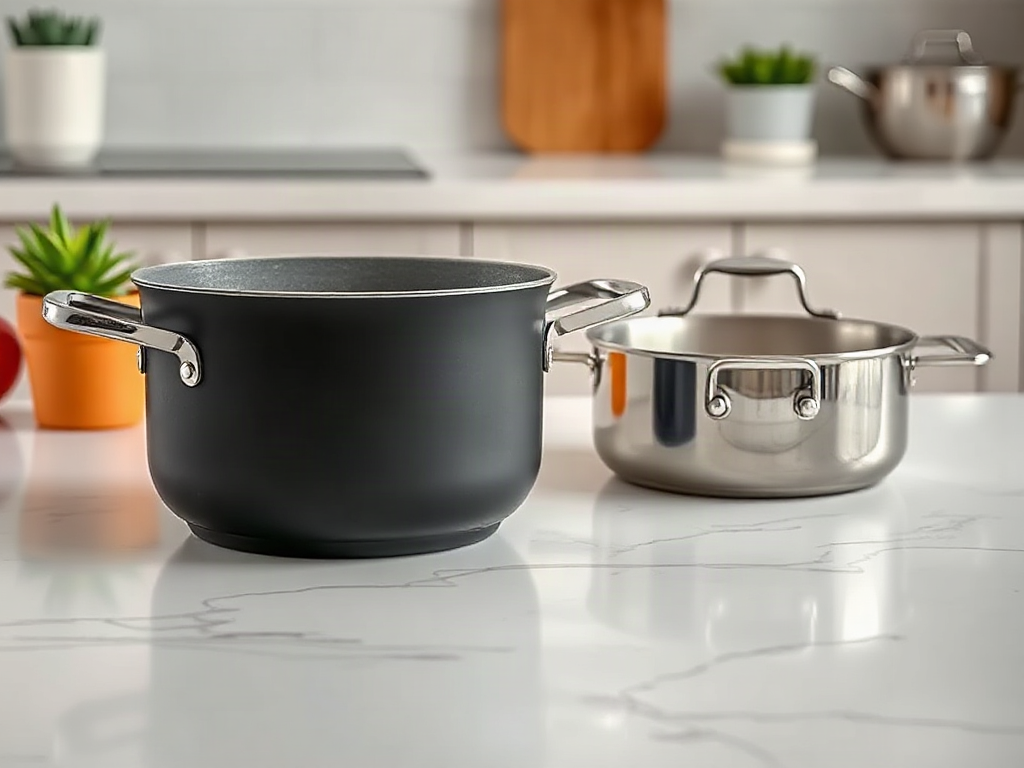
Understanding cookware safety ratings means separating material information, temperature limits, appliance compatibility, and condition warnings rather than treating one badge as a universal safety guarantee. Check whether the cooking surface is coated, identify the manufacturer’s maximum stovetop or oven temperature, confirm that handles and lids share the rating, and review care restrictions such as avoiding empty preheating or abrasive cleaning. A pan marked oven-safe may still have a lid, knob, or silicone grip with a lower limit. Damage, peeling, severe warping, and exposed layers can change the risk assessment, so the product instructions and current condition matter as much as the label.
What Cookware Safety Ratings Actually Measure
Cookware safety ratings are product-specific limits and compatibility claims, not a single universal score. They may describe oven temperature, stovetop suitability, dishwasher tolerance, induction compatibility, coating restrictions, or the materials used in the cooking surface. A label such as “oven safe” answers only one part of the question: it does not necessarily cover the lid, handle, nonstick coating, or sudden temperature changes.
The most useful information usually appears in the manufacturer’s instructions rather than on the front of the packaging. Look for a stated maximum temperature, approved cooking surfaces, cleaning instructions, and exclusions for broilers or open flames. If the product page says only “oven safe” without a temperature or component qualification, treat that wording as incomplete and locate the full care document before using the item at high heat.
Some suggestions to consider!
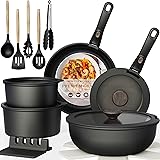
Now retrieving an image set.
Astercook 21 Pcs Pots and Pans Set Non Stick, Ceramic Cookware Set Detachable Handle, RV Kitchen Cooking Set Removable Handles, Oven Safe, Induction Ready, Stackable, Black, Fathers Day Gift for Men
$59.99 (as of October 22, 2026 19:19 GMT +00:00 - More infoProduct prices and availability are accurate as of the date/time indicated and are subject to change. Any price and availability information displayed on [relevant Amazon Site(s), as applicable] at the time of purchase will apply to the purchase of this product.)
Now retrieving an image set.
OzawaBear 12 Pcs Pots and Pans Set Non Stick, Detachable Handle Cookware | Ceramic Cookware Set Non Toxic, Healthy Induction Cookware Oven Safe RV Kitchen Set, PFAS PFOA & PTFE Free, Black
$36.99 (as of October 22, 2026 19:19 GMT +00:00 - More infoProduct prices and availability are accurate as of the date/time indicated and are subject to change. Any price and availability information displayed on [relevant Amazon Site(s), as applicable] at the time of purchase will apply to the purchase of this product.)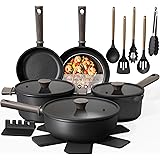
Now retrieving an image set.
Astercook 19 Pcs Pots and Pans Set Non Stick, Black Titanium Induction Kitchen Cookware Sets, Non toxic Healthy Kitchen Cooking Set with Frying Pans Set, PTFE PFOA PFOS Free, Fathers Day Gift for Men
$79.99 (as of October 22, 2026 19:19 GMT +00:00 - More infoProduct prices and availability are accurate as of the date/time indicated and are subject to change. Any price and availability information displayed on [relevant Amazon Site(s), as applicable] at the time of purchase will apply to the purchase of this product.)Ratings also differ from regulatory approval marks. A certification symbol, a materials disclosure, and a retailer’s marketing phrase serve different purposes. A certification may relate to a particular manufacturing or electrical standard, while a materials statement identifies construction. Neither automatically proves that a pan is suitable for every recipe or appliance. The safer interpretation is narrow: use each claim only for the purpose it explicitly covers.
For example, a stainless-steel skillet with a fixed metal handle may tolerate oven use differently from an aluminum pan with a riveted plastic grip. A glass lid can have its own thermal limits even when the vessel is rated for higher heat. Readers comparing products through understanding cookware safety ratings should record each component’s limit instead of assigning one number to the entire set.
Reading Materials, Coatings, and Temperature Limits
Material construction influences how cookware responds to heat, wear, and cleaning, but material alone does not establish a safety rating. Stainless steel, cast iron, carbon steel, aluminum, ceramic, glass, and coated surfaces have different strengths and restrictions. The same base metal can appear in products with different handles, coatings, bonding layers, and manufacturer limits.
Coated cookware deserves especially careful reading. A nonstick surface is generally intended to reduce sticking at ordinary cooking temperatures, not to function as a high-heat searing tool. Empty preheating can raise the surface temperature quickly because there is no food or liquid to absorb energy. Follow the maker’s temperature guidance, use ventilation during cooking, and avoid assuming that a coating’s advertised durability replaces its use restrictions.
“Ceramic” can also describe different things. A ceramic-coated metal pan is not the same as solid ceramic bakeware, and neither should be judged by the same handling assumptions. Solid glass or ceramic pieces may resist oven heat yet remain vulnerable to thermal shock when moved from a hot oven onto a cold or wet surface. Metal cookware may tolerate more abrupt handling but can react with certain acidic foods depending on its construction and condition.
Temperature limits should be read as an operating boundary, not a target. If a recipe calls for broiling, verify broiler approval specifically; an oven rating may not include direct radiant heat. Check whether the limit applies with the lid attached and whether a knob or helper handle lowers the allowable temperature. A common mistake is choosing a pan because its body is metal, then overlooking a low-temperature polymer component.
- Identify the surface: note whether it is bare metal, enamel, nonstick, ceramic-coated, glass, or another finish.
- Find the highest stated limit: distinguish stovetop, oven, broiler, and dishwasher instructions.
- Check the weakest component: handles, seals, knobs, lids, and detachable grips may determine the practical limit.
When information conflicts, use the more restrictive instruction and contact the manufacturer for clarification. A retailer listing may simplify details that the original manual states more precisely. The goal is not to rank materials as universally safe or unsafe; it is to match the construction and stated limits to the intended cooking task.
Matching Ratings to Stovetops, Ovens, and Broilers
Appliance compatibility is a separate safety question from material quality. A pan can be oven-safe but unsuitable for induction, or induction-compatible but inappropriate under a broiler. Stovetop ratings may also distinguish gas, electric, glass, halogen, and induction surfaces. The heat source changes how energy reaches the vessel and may expose weak points such as uneven bases, fragile finishes, or temperature-sensitive handles.
Induction requires magnetic cookware or a magnetic base designed for induction. A pan that sits on an electric coil may not heat at all on induction, while an unsuitable vessel can produce poor contact and uneven results. On glass cooktops, a warped or rough base can scratch the surface or heat inconsistently. Cast iron may work well thermally but requires careful lifting rather than sliding.
Oven use introduces different stresses. Heat surrounds the cookware, including parts that remain relatively cool on the stovetop. Handles, silicone sleeves, painted exteriors, and lid knobs can reach temperatures beyond their normal countertop handling range. Before transferring a skillet, remove detachable grips unless the instructions explicitly allow oven use, and use protection when handling every component.
Broiling is more demanding than ordinary baking because the heating element exposes the upper surface to intense radiant energy. A pan’s general oven rating should not be interpreted as broiler permission. A coated surface may be unsuitable for this function, and a glass lid may need to be removed. If the manual is silent, select cookware specifically identified for broiler use instead of testing the limit.
Consider a weekday recipe that begins with browning vegetables on induction and finishes in a 425°F oven. The correct choice is not simply “a heavy pan.” Confirm induction compatibility, the oven limit, handle construction, lid instructions, and whether the recipe’s acidic ingredients suit the surface. If one feature is uncertain, use a compatible stovetop pan for browning and transfer the food to clearly rated ovenware.
That two-vessel approach may add cleanup, but it is preferable to treating an ambiguous label as permission. Signs of a mismatch include a handle becoming soft or discolored, a lid seal deforming, smoke from a coating, unstable contact, or a base that rocks after heating. Stop using the questionable setup, allow it to cool safely, and consult the instructions rather than repeating the test.
Condition, Care, and Replacement Decisions
A cookware rating describes the product in its intended condition; damage can change how it performs. Deep scratches, blistering, peeling, cracks, exposed substrate, loose handles, and severe warping deserve more attention than minor cosmetic marks. A pan that once met its stated use limits may no longer behave predictably after impact, overheating, or years of abrasive cleaning.
Coated cookware should be inspected for lifting or flaking areas, especially around rivets and the edges of the cooking surface. Do not scrape a damaged finish to make it look usable again. Replace the item when the coating is visibly deteriorating or when the manufacturer’s care instructions no longer provide a safe, reliable use path. Avoid making a diagnosis from appearance alone if the damage is unclear; the manufacturer can identify whether a component is replaceable.
Uncoated metal has different failure signs. A small discoloration may be harmless seasoning or heat staining, but a rocking base affects stability and contact. Cracks in cast iron or enamel are more consequential than ordinary surface marks. Loose rivets and handles create burn and spill hazards even if the vessel itself remains structurally sound. Lids should close securely without chipped glass or a degraded gasket.
Cleaning choices can shorten useful life. Dishwasher exposure, harsh scouring, metal utensils, thermal shock, and repeated empty heating may conflict with the product’s instructions. “Dishwasher safe” generally concerns cleaning-cycle exposure; it does not mean the item is protected from all other misuse. Hand washing may preserve a finish, while a bare metal pan may be better suited to more vigorous cleaning than a delicate coating.
Use a simple priority order before deciding whether to keep a questionable piece:
- Remove cookware with cracks, unstable handles, shattered or chipped heat-resistant components, or severe deformation.
- Set aside items with coating failure or unknown high-heat damage until the maker provides a clear recommendation.
- Keep sound cookware whose limitations are documented and whose intended use matches your appliances.
Replacing a pan because it is inconvenient is different from replacing it because it is unsafe to handle. The practical test is whether the cookware remains stable, intact, and usable within documented limits. Product-specific instructions matter more than broad internet claims about one material category.
A Practical Safety Check Before Buying or Cooking
A short verification routine prevents most rating mistakes. Before buying, identify the exact model and search for its manual or official care page. Before cooking, inspect the item and match the planned method to the stated limits. This approach is more dependable than relying on a familiar brand name, a five-star review, or a symbol whose meaning is not explained.
Use this checklist for a new purchase or an unfamiliar pan:
- Construction: identify the body, surface finish, handle material, lid material, and detachable parts.
- Heat source: confirm compatibility with your burner, induction unit, oven, broiler, or open flame.
- Temperature: find separate limits for baking, broiling, stovetop use, and preheating.
- Food and utensils: follow restrictions involving acidic ingredients, metal tools, or prolonged simmering.
- Cleaning: verify whether dishwasher use, soaking, or abrasive products are allowed.
- Condition: check for cracks, peeling, wobbling, loose parts, and damage after each demanding use.
Prioritize the actual task. Someone who mostly makes soups on an electric range may value a stable base and heat-resistant handle more than a broiler rating. A cook who finishes sauces in the oven needs documented oven compatibility and a lid that shares the rating. A household using induction should confirm the base before weighing coating preferences or capacity.
Marketing language can create false confidence. “Professional,” “premium,” “healthy,” and “high performance” are not substitutes for a temperature limit or care instruction. Likewise, a higher maximum temperature does not make one pan better for every job; it may come with more weight, slower responsiveness, or a finish that needs seasoning and drying.
When documentation is unavailable, choose a lower-risk method: moderate heat, no empty preheating, no broiler exposure, and no sudden transfer between extreme temperatures. Those precautions do not create a rating, but they reduce unnecessary stress while you seek reliable product information. For more context, compare the material and use case with understanding cookware safety ratings and keep the manual accessible for future reference.
For product-specific limits, consult the manufacturer’s official manual or care page first. General consumer-safety information from government agencies, university extension programs, and recognized cookware organizations can add context, but it should not override instructions supplied for the exact model.
Frequently Asked Questions
Is “oven safe” a complete cookware safety rating?
No. Confirm the maximum temperature and check the lid, handle, knob, coating, and broiler instructions separately.
Can nonstick cookware be used at high heat?
Use the manufacturer’s limit and avoid empty preheating. Nonstick cookware is generally better suited to controlled, ordinary cooking heat than broiling or aggressive searing.
Does induction compatibility mean cookware is oven-safe?
No. Induction describes the base’s interaction with a magnetic cooking surface. Oven use depends on the whole product and its stated temperature limit.
When should damaged cookware be replaced?
Replace or stop using pieces with cracks, severe warping, unstable handles, peeling coatings, broken glass, or damage that makes the approved use unclear.
Is a certification symbol the same as a cookware safety rating?
No. A certification mark may refer to a specific standard, while a safety rating often states practical limits such as heat, appliance, or cleaning compatibility.
Conclusion
Cookware safety becomes easier to judge when ratings are treated as specific instructions rather than a quality score. Confirm the material and finish, find the temperature limit, check every attached component, and match the product to the appliance and recipe. Give special attention to broiling, empty heating, thermal shock, induction bases, and damaged coatings because those situations can fall outside ordinary use. If the label is vague, the manual is missing, or the pan shows structural or surface failure, choose a documented alternative instead of guessing. A sound piece used within its stated limits is a more practical choice than a heavily marketed product whose restrictions are unclear. Keep the manufacturer’s care information available and recheck cookware after high-heat or demanding use.