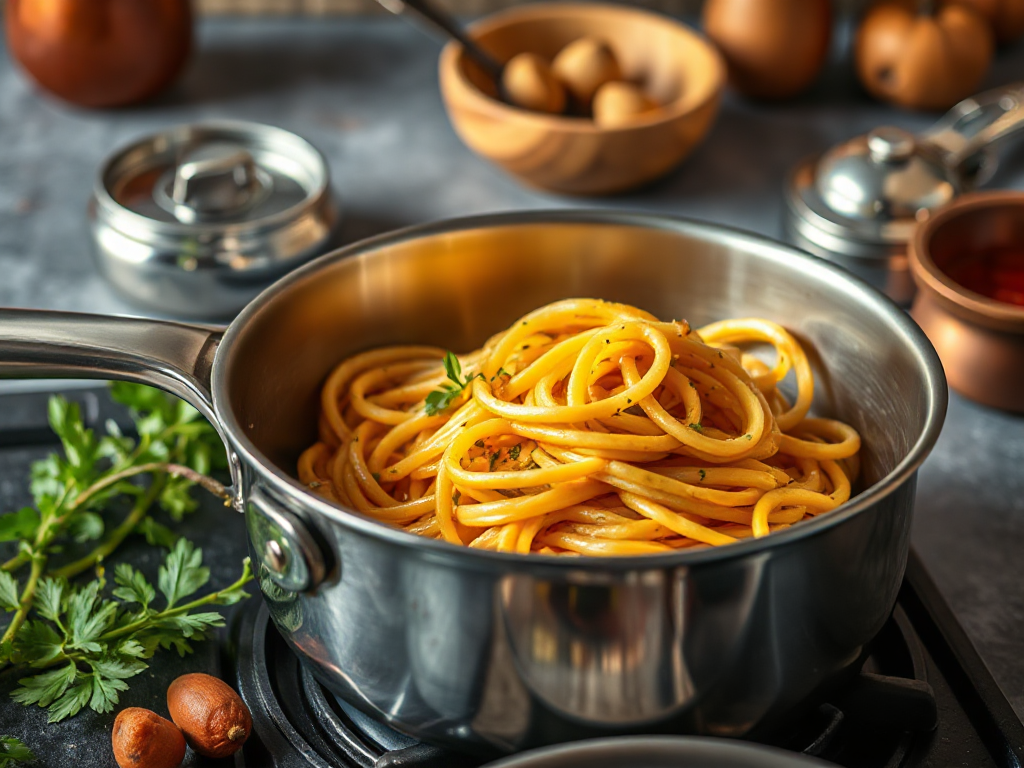
The effects of cookware on food flavor come mainly from heat distribution, surface reactions, seasoning, and the pan’s interaction with acidic or strongly flavored ingredients. Stainless steel can encourage browning but may cause sticking when preheating or fat levels are poorly controlled, while cast iron retains heat and can add seasoning character yet may react with acidic sauces. Bare aluminum transfers heat quickly but can interact with some foods, whereas glass and well-maintained ceramic surfaces are comparatively neutral. Match the pan to the dish, avoid overheated residue, clean away polymerized oils, and treat a metallic or bitter taste as a sign to inspect the surface, seasoning, or ingredient contact time.
Why Pan Material Can Change Flavor
Cookware does not season food like a spice, but its material can influence the chemical and physical conditions that create flavor. The most noticeable effects come from how rapidly a pan heats, how evenly it holds temperature, whether its surface is reactive, and whether old oils or food deposits remain on it. Those variables affect browning, reduction, sticking, and the transfer of metallic or stale notes.
Stainless steel is generally valued for a relatively neutral cooking surface and for its ability to support browning. A properly heated stainless-steel skillet can leave fond—browned bits of meat or vegetables—that dissolves into a sauce with savory depth. The same pan can produce a harsh, burnt taste if oil smokes repeatedly or residue is left to carbonize. The material is not automatically responsible for the flavor; heat and surface condition often explain more.
Some suggestions to consider!
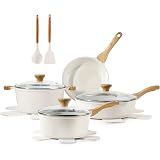


SENSARTE Nonstick Ceramic Cookware Set, 13-pcs Non-toxic Pots and Pans Set | Healthy Kitchen Cooking Set with Stay-Cool Handles, Silicone Tools and Pot Protectors, PFAS Free
$65.94 (as of October 14, 2026 19:08 GMT +00:00 - More infoProduct prices and availability are accurate as of the date/time indicated and are subject to change. Any price and availability information displayed on [relevant Amazon Site(s), as applicable] at the time of purchase will apply to the purchase of this product.)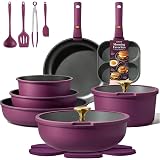
Now retrieving an image set.
CAROTE 21pcs Pots and Pans Set Non Stick, Detachable Handle Cookware Sets | Ultra Nonstick, Space Saving, Dishwasher & Oven Safe, Non-Toxic Kitchen/Apartment/Camping/RV/ Traveling, Purple
$99.96 (as of October 14, 2026 19:08 GMT +00:00 - More infoProduct prices and availability are accurate as of the date/time indicated and are subject to change. Any price and availability information displayed on [relevant Amazon Site(s), as applicable] at the time of purchase will apply to the purchase of this product.)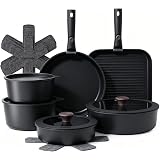
Now retrieving an image set.
SENSARTE 17 Piece Nonstick Detachable Handle Pots and Pans Set Black | Removable Handle Cookware Set, Induction Cookware Set with Removable Handle, Healthy Non Stick for RV, Dishwasher & Oven Safe
$79.99 (as of October 14, 2026 19:08 GMT +00:00 - More infoProduct prices and availability are accurate as of the date/time indicated and are subject to change. Any price and availability information displayed on [relevant Amazon Site(s), as applicable] at the time of purchase will apply to the purchase of this product.)Cast iron and carbon steel introduce a different balance. Their seasoning consists largely of bonded, repeatedly heated oil, which can improve release and contribute a familiar roasted aroma when maintained well. Bare iron may also react with acidic foods such as tomatoes, wine reductions, or vinegar-based sauces, particularly when the food cooks for a long time. A brief sear is usually a different situation from simmering tomato sauce in an uncoated skillet.
Aluminum transfers heat efficiently and is common in pans with nonstick or anodized surfaces. Uncoated aluminum may react with certain acidic or alkaline foods, sometimes producing a dull metallic note or discoloration. Coated aluminum is less likely to behave that way unless the coating is damaged or the food contacts exposed metal. Glass and intact enamel are often useful when a neutral surface matters, although they do not always provide the same browning response as a bare metal pan.
Readers comparing the effects of cookware on food flavor should separate material identity from construction. A thin stainless pan and a thick, multi-layer stainless pan may behave very differently because their heat stability is not the same. The practical question is whether the vessel keeps the temperature and surface conditions appropriate for the recipe.
Heat Control, Browning, And Burnt Tastes
Heat behavior is often the strongest cookware-related influence on flavor. A pan that distributes heat evenly can brown food gradually, while a pan with hot spots may scorch onions in one area before the rest has softened. Heavy cast iron stores substantial heat, which is useful for searing but can overshoot when a cook turns the burner down. Thin pans respond quickly, yet their temperature may fall sharply when cold ingredients are added.
Browning depends on a dry surface, sufficient heat, and enough space for moisture to escape. A crowded skillet creates steam, so meat may taste pale and boiled rather than deeply browned. A pan that recovers heat slowly makes that problem worse. Conversely, excessive heat can blacken garlic, spices, or a thin layer of oil before the main ingredients are ready. Burnt aromatics often dominate a dish even when the pan itself is chemically neutral.
Consider two batches of mushrooms. In a broad, preheated skillet, mushrooms can release water and then develop a concentrated, savory exterior. In a small pan with weak heat recovery, they sit in their own liquid and may taste watery. Switching from a lightweight pan to a heavier one may help, but reducing the batch size or waiting for evaporation may matter just as much. Cookware changes the conditions; the technique determines whether those conditions are used well.
Use the pan’s behavior as a diagnostic rather than relying only on burner settings. If one section of a pancake darkens consistently, the base may have an uneven hot spot. If seared meat loses its crust after each addition, the vessel may be overloaded or insufficiently preheated. If butter browns almost immediately, the surface may be too hot for the ingredient even if the handle and exterior feel normal.
- Choose a heavy, stable pan for searing and shallow frying.
- Choose a responsive pan when a sauce needs frequent temperature changes.
- Use a wide surface for foods that must lose moisture before browning.
- Lower heat before adding delicate aromatics, dairy, or ground spices.
The common mistake is blaming a “bad-tasting pan” for food that was scorched by a temperature mismatch. A pan that holds heat well may be excellent for steak and inconvenient for a quick cream sauce. Matching thermal behavior to the recipe is more useful than ranking one material as universally best.
Seasoning, Residue, And Surface Condition
Surface condition can affect flavor even when the cookware material is suitable. Seasoned cast iron and carbon steel require a thin, stable layer of oil, not a sticky film. Oil applied too thickly can remain tacky, become rancid between uses, or create smoky flavors during the next cooking session. A clean, lightly maintained surface generally produces more predictable results than a heavily layered one.
Residue is another source of unwanted flavor. Caramelized onions, fish oils, chili compounds, and burnt starch can cling to microscopic roughness or remain beneath a poorly cleaned rim. Those remnants may transfer into a mild dish such as rice, eggs, or a light pan sauce. The transfer can be desirable when building a sauce from fresh fond, but it is unwanted when old residue is merely reheated.
Coated nonstick surfaces are designed to limit sticking and are often useful for eggs, crepes, and delicate fish. A damaged, blistered, or visibly deteriorated coating should not be treated like a normal cooking surface. Even before a safety question arises, scratches and worn areas can create uneven release, trapped residue, and inconsistent browning. Nonstick cookware also commonly produces less fond, so a pan sauce may lack the browned base created in stainless steel.
Cleaning choices influence flavor as well. Harsh abrasion can damage a finish, while insufficient cleaning leaves polymerized oil that tastes bitter or smoky. For seasoned iron, removing loose residue and drying the pan promptly is usually preferable to stripping the entire seasoning layer after every use. For enamel or stainless steel, a thorough removal of burnt deposits is more important than preserving an oil film.
A useful test is to cook a plainly flavored food after cleaning—such as an egg, rice, or lightly salted potato—and notice whether the taste is metallic, stale, smoky, or bitter. Do not conduct the test with a strongly seasoned stir-fry, because spices can conceal the source. If the off-note appears repeatedly, inspect the cooking surface, rivets, rim, and seasoning rather than adding more seasoning to the recipe.
Choosing A Pan For Specific Foods
The best cookware choice depends on the flavor the dish needs and the time ingredients will contact the surface. Stainless steel suits browning, deglazing, and pan sauces because fond can be developed and lifted with stock, wine, or water. It is less forgiving for eggs or lean fish unless preheating, fat, and release timing are controlled. A nonstick skillet is usually more convenient for those delicate foods, but it offers less opportunity for browned residue.
Acidic recipes deserve extra attention. A tomato sauce, wine-based braise, or vinegar glaze may be more predictable in stainless steel, enamel-coated iron, or another intact nonreactive surface than in bare aluminum or uncoated iron. Short contact is not equivalent to hours of simmering. If a cast-iron pan is used for a quick sear followed by a brief acidic deglaze, the result may be acceptable; prolonged acidic cooking places more pressure on both the seasoning and flavor neutrality.
For frying, thermal stability affects whether food tastes clean or greasy. A pan that loses heat when battered food enters may encourage prolonged oil contact and a heavy finish. A vessel that is too hot can darken the exterior before the center cooks. The pan’s diameter, oil depth, batch size, and burner strength work together, so changing cookware alone may not solve an oily result.
Delicate foods also reveal surface problems quickly. Milk can pick up scorched notes from a thin hot spot; white fish can expose leftover garlic or smoke; plain oatmeal can reveal detergent or rancid-oil residue. Use these foods as practical indicators when evaluating a pan. The choice should reflect the recipe’s dominant demand:
- Need browning and fond: choose stainless steel or well-maintained carbon steel.
- Need stable searing heat: consider cast iron, while allowing time for temperature adjustment.
- Need easy release: use intact nonstick cookware and moderate heat.
- Need long acidic cooking: favor enamel or a reliably nonreactive surface.
No material eliminates the need for correct heat, adequate fat, or cleaning. A pan selected for one job may be a poor choice for another, and a versatile kitchen usually benefits from complementary surfaces rather than a single “perfect” skillet.
A Practical Flavor Check Before Replacing Cookware
When food tastes different, test the cooking process before purchasing new cookware. Cook the same simple ingredient in the suspect pan and in a clean, familiar pan, keeping the heat, fat, timing, and ingredient quantity as similar as possible. Plain eggs, potatoes, rice, or a small piece of chicken are more revealing than a heavily spiced meal.
Record what happens at each stage. Note whether the pan develops isolated dark spots, whether oil smokes before the food enters, whether food sticks unusually, and whether the flavor changes only after long simmering. A metallic taste that appears only with acidic ingredients points toward surface reactivity or coating condition. A bitter taste after frying points more often toward overheated oil or accumulated residue. Uneven browning suggests heat distribution, pan size, or crowding.
Check the pan when it is cool. Look for peeling or blistering coating, exposed metal beneath a finish, a rough layer of burnt oil, persistent odor after washing, or a warped base that prevents even contact with the burner. Follow the manufacturer’s care instructions where available; cookware finishes differ, and aggressive restoration can create a new problem.
The weak assumption is that flavor transfer must mean the material is unsafe or unusable. Some changes are technique-related, some come from seasoning, and some justify retiring a damaged pan. Replace cookware when the surface is deteriorating, cleaning cannot remove persistent off-flavors, or warping makes temperature control unreliable. Otherwise, a lower heat setting, smaller batches, proper deglazing, or better cleaning may correct the result.
Use the effects of cookware on food flavor as a decision question: what surface, temperature pattern, contact time, and residue history did this dish encounter? That diagnosis gives more reliable guidance than choosing cookware by material label alone.
Frequently Asked Questions
Can stainless steel change the taste of food?
Stainless steel is generally neutral, but burnt oil, trapped residue, or poor temperature control can create bitter or smoky flavors. Its browning capacity may also make dishes taste more savory when fond is properly deglazed.
Does cast iron add iron or a metallic flavor?
Cast iron can contribute small amounts of iron, with transfer influenced by the food, seasoning, and cooking time. Metallic flavor is more likely with prolonged acidic cooking or a poorly maintained surface than with a brief, well-seasoned sear.
Why does food taste bitter after cooking in a pan?
Common causes include overheated oil, charred spices or garlic, polymerized oil, and burnt food residue. Clean the surface, reduce heat, and compare the result with another pan using a plainly flavored ingredient.
Are nonstick pans neutral for flavor?
Intact nonstick surfaces usually limit sticking and flavor transfer, making them useful for delicate foods. They produce less fond than bare metal and should be replaced or evaluated according to the manufacturer’s instructions if the coating is peeling or blistering.
Which cookware is best for tomato sauce?
Stainless steel, enamel-coated cookware, and other intact nonreactive surfaces are practical choices for extended tomato-sauce cooking. Bare iron or uncoated aluminum may be less suitable when the sauce is acidic and simmers for a long time.
Conclusion
Cookware affects flavor chiefly by controlling heat, enabling or limiting browning, interacting with acidic foods, and carrying seasoning or residue from earlier meals. Start by matching the surface to the dish: use stainless steel for fond and deglazing, stable iron for searing, intact nonstick for delicate release, and a nonreactive vessel for long acidic cooking. When an off-flavor appears, compare a simple ingredient in a clean, familiar pan before replacing anything. Inspect for burnt oil, damaged coating, warping, and persistent residue, then correct the process if the cookware remains sound. A thoughtful combination of surfaces usually produces more consistent flavor than searching for one material that suits every recipe.