
Key Takeaway: Investing in expensive cookware can offer better heat distribution, durability, and non-stick properties, which may improve cooking results and longevity. However, cheaper alternatives can be sufficient for casual use and are often more budget-friendly. The best choice depends on your cooking frequency, skill level, and budget; high-end cookware is advantageous for serious cooks, while affordable options suit occasional users. Ultimately, select cookware that balances quality and affordability based on your specific needs.
Article Guide
- Understanding the True Cost of Nice Cookware and Its Benefits
- The Initial Investment: More Than Just a Price Tag
- Durability and Longevity: The Cost of Replacement
- Performance and Cooking Efficiency
- Health and Safety Considerations
- Maintenance and Care: Saving Time and Money
- Environmental Impact: Investing in Sustainability
- Examples of Popular High-End Cookware Brands
- The Practical Benefits of Investing in Nice Cookware
- Practical Tips for Choosing the Right Cookware
- The Bottom Line: Is Nice Cookware Worth It?
- Common Questions People Ask
- What is the average cost of high-quality cookware?
- Are expensive pots and pans worth the investment?
- How does the material of cookware affect its cost?
Understanding the True Cost of Nice Cookware and Its Benefits
The true cost of nice cookware extends far beyond its initial price tag, encompassing the craftsmanship, materials, and long-term performance that can elevate your cooking experience. High-quality pots and pans often boast superior heat retention, resilience against warping, and non-stick surfaces that make meal preparation smoother and more enjoyable. While investing in premium pieces might seem steep at first, their durability can translate into years of reliable use, saving money over time. For passionate cooks or those who spend hours in the kitchen, the investment can be well worth it; for casual chefs, more affordable options may suffice without sacrificing functionality. Ultimately, understanding what you need from your cookware helps determine whether the cost aligns with the benefits you’ll gain.
Investing in high-quality cookware is a decision that can significantly impact your culinary experience, your health, and your budget over time. While the initial price tag of premium pots and pans may seem steep compared to budget options, understanding the true cost involves considering durability, performance, safety, and long-term savings. In this comprehensive guide, we will explore the various factors that contribute to the overall value of nice cookware, provide examples of popular high-end brands, and outline the tangible benefits that make these investments worthwhile.
The Initial Investment: More Than Just a Price Tag
When shopping for cookware, many consumers focus solely on the upfront cost. For example, a set of stainless steel pots from a reputable brand might cost between $300 and $600, while a basic non-stick set could be priced under $100. However, this initial expense is just one piece of the puzzle. High-quality cookware often comes with features that justify its price, such as superior materials, better heat distribution, and enhanced durability.
Some suggestions to consider!
Now retrieving an image set.
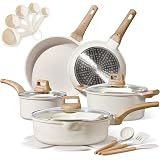
CAROTE 20pcs Pots and Pans Set, Nonstick Cookware Sets | Induction Cooking, Ultra Durable, Easy to Clean, Even Heating, All-Stovetop Compatible, PFOA-Free Kitchen Set
$69.99 (as of October 18, 2026 19:14 GMT +00:00 - More infoProduct prices and availability are accurate as of the date/time indicated and are subject to change. Any price and availability information displayed on [relevant Amazon Site(s), as applicable] at the time of purchase will apply to the purchase of this product.)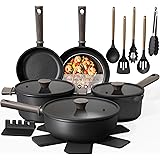
Now retrieving an image set.
Astercook 19 Pcs Pots and Pans Set Non Stick, Black Titanium Induction Kitchen Cookware Sets, Non toxic Healthy Kitchen Cooking Set with Frying Pans Set, PTFE PFOA PFOS Free, Fathers Day Gift for Men
$79.99 (as of October 18, 2026 19:14 GMT +00:00 - More infoProduct prices and availability are accurate as of the date/time indicated and are subject to change. Any price and availability information displayed on [relevant Amazon Site(s), as applicable] at the time of purchase will apply to the purchase of this product.)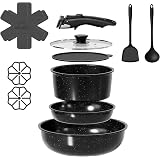
Now retrieving an image set.
OzawaBear 12 Pcs Pots and Pans Set Non Stick, Detachable Handle Cookware | Ceramic Cookware Set Non Toxic, Healthy Induction Cookware Oven Safe RV Kitchen Set, PFAS PFOA & PTFE Free, Black
$35.99 (as of October 18, 2026 19:14 GMT +00:00 - More infoProduct prices and availability are accurate as of the date/time indicated and are subject to change. Any price and availability information displayed on [relevant Amazon Site(s), as applicable] at the time of purchase will apply to the purchase of this product.)Consider the difference between a cheap non-stick pan and a premium ceramic-coated skillet. The budget option might warp or lose its non-stick properties after a few months, requiring replacement. In contrast, a high-end ceramic pan from brands like GreenPan or All-Clad can last for years with proper care, maintaining its non-stick surface and even heating capabilities.
Durability and Longevity: The Cost of Replacement
One of the most compelling reasons to invest in nice cookware is its durability. High-quality pots and pans are often made from stainless steel, cast iron, or layered metals like tri-ply aluminum and stainless steel, which resist warping, scratching, and staining. For instance, a Le Creuset Dutch oven made from enameled cast iron can last for decades—some even become family heirlooms—whereas cheaper alternatives may need replacement after just a few years due to corrosion or damage.
Moreover, durable cookware reduces the frequency and cost of replacements. If you purchase a set of premium stainless steel pots for around $500, you might only need to replace them once every 15-20 years, compared to replacing budget cookware every 3-5 years. Over time, this translates into significant savings and less waste.
Performance and Cooking Efficiency
High-end cookware offers superior heat conduction and distribution, which translates into more evenly cooked meals. For example, copper core pans from brands like Mauviel or All-Clad’s copper line heat up quickly and respond precisely to temperature changes. This precision allows you to simmer sauces without scorching or overcooking delicate dishes like soufflés or caramel.
Additionally, premium cookware often features ergonomic handles that stay cool during cooking and are designed for comfortable grip. This improves safety and ease of use, especially during long cooking sessions or when handling heavy pots filled with food.
Imagine preparing a perfect risotto or searing a steak to medium-rare consistency—these results are more achievable with high-quality cookware that offers consistent heat control.
Health and Safety Considerations
Another important aspect is the safety of your cookware materials. Cheaper non-stick coatings often contain chemicals like PFOA or PTFE that can degrade over time and release fumes when overheated. In contrast, high-end ceramic coatings or well-maintained stainless steel and cast iron cookware do not pose such risks.
For example, seasoned cast iron pans are naturally non-stick without synthetic coatings and can be used safely at high temperatures. They also add small amounts of iron to your diet, which can be beneficial for those with iron deficiency.
Choosing cookware made from non-toxic materials ensures your meals are not only delicious but also safe for your health over the long term.
Maintenance and Care: Saving Time and Money
While premium cookware may require specific cleaning routines—such as hand washing or seasoning cast iron—their durability means they often require less frequent replacement. Proper maintenance extends the lifespan of your investment. For instance, stainless steel pans should be cleaned with non-abrasive scrubbers to prevent scratches, while cast iron needs to be seasoned regularly to maintain its non-stick surface.
Many high-end brands provide detailed care instructions to maximize longevity. Following these guidelines ensures your cookware remains in excellent condition for years to come, saving you money on replacements and repairs.
Environmental Impact: Investing in Sustainability
Long-lasting cookware reduces waste by decreasing the need for frequent replacements. Additionally, many premium brands prioritize sustainable manufacturing practices. For example, some companies source their materials responsibly or use eco-friendly coatings that do not release harmful chemicals during use or disposal.
Choosing durable cookware aligns with environmentally conscious values by minimizing landfill waste and reducing resource consumption over time.
Examples of Popular High-End Cookware Brands
- All-Clad: Known for its tri-ply stainless steel construction that offers excellent heat conduction and durability. Ideal for professional chefs and home cooks alike.
- Le Creuset: Famous for enameled cast iron Dutch ovens that combine aesthetic appeal with long-lasting performance.
- Mauviel: A French brand specializing in copper cookware renowned for its responsiveness and even heating.
- Viking: Offers high-quality stainless steel sets designed for both commercial and home kitchens.
- GreenPan: Pioneers in ceramic non-stick coatings that are free from harmful chemicals while providing excellent non-stick performance.
The Practical Benefits of Investing in Nice Cookware
- Enhanced Cooking Results: Achieve better textures, flavors, and presentation with precise heat control.
- Long-Term Savings: Reduce replacement costs over decades by choosing durable materials.
- Healthier Meals: Use non-toxic materials that do not leach chemicals into food.
- Time Efficiency: Faster cooking times due to superior heat conduction save energy and effort.
- Aesthetic Appeal: Beautifully crafted cookware adds elegance to your kitchen decor and makes cooking more enjoyable.
Practical Tips for Choosing the Right Cookware
- Assess Your Cooking Style: If you often prepare sauces or delicate dishes, copper or tri-ply stainless steel may be ideal. For slow-cooking or baking, enameled cast iron is excellent.
- Consider Your Budget: While high-end cookware is an investment, look for sets that offer good value—bundles that include essential pieces rather than purchasing individual items piecemeal.
- Prioritize Material Quality: Opt for reputable brands known for their craftsmanship and safety standards.
- Think About Maintenance: Choose cookware that fits your willingness to clean and care for it regularly.
- Read Reviews and Expert Recommendations: Gather insights from trusted sources to ensure you select products that meet your needs.
The Bottom Line: Is Nice Cookware Worth It?
While the initial expense of high-quality cookware can seem daunting, the long-term benefits—such as durability, performance, safety, and aesthetic appeal—make it a worthwhile investment for serious home cooks and professional chefs alike. By choosing wisely based on your cooking habits and preferences, you can enjoy better meals, save money over time, and contribute positively to environmental sustainability.
Remember that quality cookware is an investment in your culinary journey—one that pays dividends in delicious dishes and lasting satisfaction. Whether you’re upgrading your kitchen or starting fresh, prioritizing quality ensures you get the most out of every meal you prepare.
Popular Questions
What is the average cost of high-quality cookware?
The best way to improve Understanding the True Cost of Nice Cookware and Its Benefits is to define one clear objective, identify the main obstacle, and make one targeted change at a time. Focus on the basics first, measure the result, and avoid broad resets until you know what actually caused the improvement. In most situations, consistent small corrections outperform dramatic overhauls because they make the process easier to test and repeat. That gives you a more reliable path to stronger long-term results.
Are expensive pots and pans worth the investment?
Yes, expensive pots and pans are often worth the investment because they typically offer better heat distribution, non-reactive surfaces, and longer lifespan. High-end cookware also tends to be more resistant to warping and damage, making it a cost-effective choice in the long run. However, it’s important to choose pieces that suit your cooking style and needs.
How does the material of cookware affect its cost?
The material significantly influences the cost of cookware. For example, copper and cast iron tend to be more expensive due to their superior heat conduction and durability, while non-stick aluminum options are usually more affordable. The choice of material impacts not only the price but also the performance and maintenance requirements of the cookware.