Quick Summary: The typical cost of good quality cookware ranges from $100 to $500 for a basic set, with individual pieces costing between $20 and $100. High-end brands and specialty materials like copper or cast iron can push prices above $1,000. Investing in quality cookware often means paying more upfront but gaining durability, better heat distribution, and longer-lasting performance. Overall, expect to spend around $200 to $300 for a reliable, durable set suitable for most home cooking needs.

Article Guide
- Understanding the Cost of Quality Cookware for Your Kitchen
- Why Investing in Quality Cookware Matters
- Factors Influencing the Cost of Cookware
- Price Ranges for Different Types of Cookware
- The True Cost of Durability and Longevity
- Additional Costs to Consider
- How to Choose the Right Cookware for Your Budget
- Tips for Maximizing Your Investment in Cookware
- The Bottom Line: Balancing Cost and Quality
- Your Questions, Answered
- What factors influence the cost of high-quality cookware?
- Is it worth investing in expensive cookware?
- How much should I expect to spend on good cookware?
Understanding the Cost of Quality Cookware for Your Kitchen
The cost of nice cookware can vary widely, reflecting the quality, materials, and brand reputation behind each piece. A solid, dependable set typically falls within the $200 to $300 range, offering a balance of durability and performance that can elevate everyday cooking. While budget options might seem tempting, investing a bit more upfront often results in cookware that heats more evenly, resists warping, and lasts for years. For those seeking premium materials like copper or cast iron, prices can soar well beyond the $1,000 mark, but the enhanced craftsmanship and longevity often justify the expense. Ultimately, understanding what you’re paying for helps in choosing cookware that not only fits your budget but also meets your culinary needs.
Why Investing in Quality Cookware Matters
High-quality cookware is more than just a luxury; it’s an investment that can significantly enhance your cooking experience. Durable materials like stainless steel, cast iron, and copper ensure even heat distribution, reducing the risk of burnt or unevenly cooked dishes. For example, a well-made cast iron skillet can last for decades, improving with age and seasoning, making it a cost-effective choice over time. Additionally, quality cookware often features ergonomic handles, non-reactive surfaces, and better heat retention, all of which contribute to more consistent results and safer cooking.
Some suggestions to consider!
Now retrieving an image set.
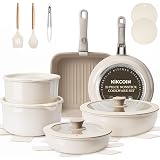
KIKCOIN Nonstick Pots and Pans Set - 22 Pack Cookware Set with Detachable/Removable Handle - Kitchen Cooking Set with Frying Pans, Grill Pan - Stackable, Dishwasher/Oven Safe, Induction Ready
$49.99 (as of October 18, 2026 19:14 GMT +00:00 - More infoProduct prices and availability are accurate as of the date/time indicated and are subject to change. Any price and availability information displayed on [relevant Amazon Site(s), as applicable] at the time of purchase will apply to the purchase of this product.)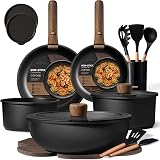


CAROTE 21pcs Pots and Pans Set Non Stick, Detachable Handle Cookware, Black | Induction Compatible, Dishwasher & Oven Safe, Kitchen Organization, Cooking Set for Camping/RV/Traveling, House Warming Gift
$59.99 (as of October 18, 2026 19:14 GMT +00:00 - More infoProduct prices and availability are accurate as of the date/time indicated and are subject to change. Any price and availability information displayed on [relevant Amazon Site(s), as applicable] at the time of purchase will apply to the purchase of this product.)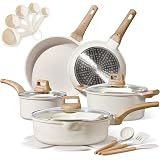
Now retrieving an image set.
CAROTE 20pcs Pots and Pans Set, Nonstick Cookware Sets | Induction Cooking, Ultra Durable, Easy to Clean, Even Heating, All-Stovetop Compatible, PFOA-Free Kitchen Set
$69.99 (as of October 18, 2026 19:14 GMT +00:00 - More infoProduct prices and availability are accurate as of the date/time indicated and are subject to change. Any price and availability information displayed on [relevant Amazon Site(s), as applicable] at the time of purchase will apply to the purchase of this product.)Factors Influencing the Cost of Cookware
- Material Composition: The primary factor affecting price is the material used. For instance, stainless steel cookware tends to be more affordable than copper but offers excellent durability and corrosion resistance. Copper cookware, prized for its superior heat conductivity, can be significantly more expensive but provides precise temperature control ideal for delicate sauces or confections.
- Brand Reputation: Renowned brands like All-Clad, Le Creuset, and Mauviel often command higher prices due to their reputation for quality craftsmanship, innovative design, and longevity. Investing in a reputable brand can mean fewer replacements and better performance over time.
- Construction and Design: Multi-layered or bonded construction (such as tri-ply stainless steel) enhances heat distribution but increases manufacturing costs. Features like reinforced rims, ergonomic handles, and non-stick coatings also influence the price.
- Size and Quantity: Larger pots and pans or sets with multiple pieces naturally cost more due to increased material use and manufacturing complexity.
- Special Features: Non-stick coatings, induction compatibility, oven safety, and dishwasher resistance add to the overall cost but can provide added convenience and versatility.
Price Ranges for Different Types of Cookware
Understanding typical price ranges helps set realistic expectations when shopping for cookware:
- Budget-Friendly Options ($20 – $50): These include basic non-stick frying pans, aluminum pots, and inexpensive stainless steel sets. They are suitable for beginners or those on a tight budget but may lack durability or advanced features.
- Mid-Range Choices ($50 – $150): Expect better build quality, improved non-stick coatings, and more durable materials like heavier gauge stainless steel. Brands like Cuisinart and Tramontina fall into this category.
- Premium Quality ($150 – $500+): High-end brands such as All-Clad, Le Creuset, and Mauviel offer professional-grade cookware with superior materials, craftsmanship, and warranties. These pieces often feature multi-layer construction and specialized coatings.
The True Cost of Durability and Longevity
While initial investment is important, considering the longevity of cookware can lead to better value over time. For example, a $200 cast iron skillet can last a lifetime if properly maintained, whereas cheaper alternatives might need replacing every few years. High-quality cookware often withstands frequent use without warping, chipping, or degrading, saving you money in the long run. Moreover, durable cookware can improve your cooking results—better heat retention means fewer burnt meals and more consistent dishes.
Additional Costs to Consider
- Maintenance and Care: Some cookware requires special cleaning methods or seasoning (like cast iron), which may involve additional time or products. Proper maintenance extends lifespan but can add to overall costs.
- Accessories and Utensils: Investing in compatible utensils (wooden or silicone) and lids can enhance your cooking experience but also adds to your total expenditure.
- Storage Solutions: High-quality cookware often comes with or requires specific storage options to prevent damage—such as pot racks or protective liners—which can incur extra costs.
How to Choose the Right Cookware for Your Budget
Making an informed decision involves balancing your cooking needs with your budget. Here are some practical tips:
- Assess Your Cooking Style: If you frequently prepare delicate sauces or sear meats, investing in a good sauté pan or skillet with excellent heat responsiveness (like copper or tri-ply stainless steel) is worthwhile.
- Prioritize Versatility: A versatile set that includes a few key pieces—such as a frying pan, saucepan, and stockpot—can cover most cooking tasks without overspending on specialty items.
- Research Brands and Materials: Read reviews and compare warranties to ensure you’re choosing durable options that fit your budget.
- Consider Long-Term Savings: Sometimes paying more upfront reduces replacement costs later. For example, investing in a high-quality non-stick skillet that lasts ten years is more economical than frequently replacing cheaper pans.
Tips for Maximizing Your Investment in Cookware
Once you’ve purchased quality cookware, proper use and maintenance are key to maximizing its lifespan:
- Avoid Metal Utensils: Use wooden or silicone tools to prevent scratching non-stick surfaces.
- Follow Manufacturer Instructions: Proper cleaning methods—such as hand washing instead of dishwashing—help preserve coatings and finishes.
- Season Cast Iron Properly: Regular seasoning enhances non-stick properties and prevents rusting.
- Store Carefully: Use pot protectors or racks to prevent scratching or chipping when stacking cookware.
- Use Appropriate Heat Settings: Avoid overheating stainless steel or non-stick pans beyond their recommended temperature to prevent damage.
The Bottom Line: Balancing Cost and Quality
Investing in quality cookware is a strategic decision that impacts your cooking efficiency, safety, and overall kitchen satisfaction. While premium options come with higher upfront costs—sometimes exceeding several hundred dollars—they often deliver superior performance and durability that justify the expense. Conversely, budget-friendly options can serve well for occasional cooking but may require replacement sooner. By understanding the factors influencing costs and carefully assessing your cooking needs, you can select cookware that offers the best value for your investment.
Remember that the right cookware not only enhances your culinary creations but also makes cooking more enjoyable and less stressful. Whether you’re upgrading your existing collection or starting fresh, taking the time to research and choose wisely ensures you get the most out of your investment for years to come.
If you’re interested in exploring specific brands or materials further, consult trusted sources like consumer reviews on Google or expert recommendations from culinary professionals available through reputable cooking websites or government culinary resources.
Popular Questions
What factors influence the cost of high-quality cookware?
The price of nice cookware depends on materials used, brand reputation, and craftsmanship. Premium materials like copper, cast iron, or layered stainless steel tend to be more expensive. Additionally, cookware with advanced features or from well-known brands often commands higher prices. The overall durability and performance also contribute to the cost.
Is it worth investing in expensive cookware?
Investing in expensive cookware can be worthwhile if you value durability, even heat distribution, and better cooking results. High-quality pots and pans often last longer and require less replacement over time. However, for casual cooks, mid-range options may provide good performance at a lower cost. Ultimately, the decision depends on your cooking frequency and budget.
How much should I expect to spend on good cookware?
The best way to improve Understanding the Cost of Quality Cookware for Your Kitchen is to define one clear objective, identify the main obstacle, and make one targeted change at a time. Focus on the basics first, measure the result, and avoid broad resets until you know what actually caused the improvement. In most situations, consistent small corrections outperform dramatic overhauls because they make the process easier to test and repeat. That gives you a more reliable path to stronger long-term results.