
To care for cookware handles, regularly clean them with warm soapy water and avoid harsh chemicals that can damage the finish. The main cause of handle deterioration often stems from improper cleaning and excessive heat exposure. Prioritize using gentle cleaning methods and ensure that handles are not subjected to high temperatures. For best results, allow cookware to cool before cleaning to maintain the integrity of the handles.
Cookware handles, whether made of plastic, metal, or wood, require specific care to ensure longevity and safety in the kitchen. Many users overlook the importance of handle maintenance, leading to wear and tear that can affect usability and safety. Common mistakes include using abrasive cleaners, exposing handles to high heat, and ignoring signs of damage. By understanding the materials and appropriate care techniques, you can extend the life of your cookware.
Understanding Cookware Handle Materials
Cookware handles are commonly made from materials like stainless steel, plastic, and wood, each requiring different care methods. Stainless steel handles are durable and can withstand high temperatures, while plastic handles may melt or warp if exposed to excessive heat. Wood handles need to be treated gently to avoid cracking or splitting. Knowing the material will guide your cleaning and maintenance approach.
For instance, stainless steel handles can typically be cleaned with a mixture of vinegar and water, while plastic handles benefit from mild soap and a soft cloth. Wood handles should be wiped with a damp cloth and occasionally oiled to maintain their finish. Always refer to the manufacturer’s guidelines for specific care instructions.
Some suggestions to consider!
Now retrieving an image set.
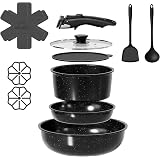
OzawaBear 12 Pcs Pots and Pans Set Non Stick, Detachable Handle Cookware | Ceramic Cookware Set Non Toxic, Healthy Induction Cookware Oven Safe RV Kitchen Set, PFAS PFOA & PTFE Free, Black
$35.99 (as of October 17, 2026 19:13 GMT +00:00 - More infoProduct prices and availability are accurate as of the date/time indicated and are subject to change. Any price and availability information displayed on [relevant Amazon Site(s), as applicable] at the time of purchase will apply to the purchase of this product.)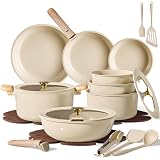
Now retrieving an image set.
CAROTE 25pcs Ceramic Cookware Set, Pots and Pans Set with Detachable Handle | Non-Stick, Non-Toxic, PFAS Free, Induction Compatible, Dishwasher & Oven Safe, Kitchen Organization, for Camping/RV/Gifts
$119.99 (as of October 17, 2026 19:13 GMT +00:00 - More infoProduct prices and availability are accurate as of the date/time indicated and are subject to change. Any price and availability information displayed on [relevant Amazon Site(s), as applicable] at the time of purchase will apply to the purchase of this product.)


SENSARTE Nonstick Ceramic Cookware Set, 13-pcs Non-toxic Pots and Pans Set | Healthy Kitchen Cooking Set with Stay-Cool Handles, Silicone Tools and Pot Protectors, PFAS Free
$65.94 (as of October 17, 2026 19:13 GMT +00:00 - More infoProduct prices and availability are accurate as of the date/time indicated and are subject to change. Any price and availability information displayed on [relevant Amazon Site(s), as applicable] at the time of purchase will apply to the purchase of this product.)Cleaning Methods for Different Handle Types
Cleaning cookware handles effectively involves using the right methods for each type of material. For stainless steel handles, a gentle scrub with a non-abrasive sponge and soapy water is effective. Rinse thoroughly and dry to prevent water spots. Plastic handles should be cleaned with a soft cloth and mild detergent, avoiding any harsh chemicals that could damage the surface.
Wooden handles require a different approach; they should be wiped with a damp cloth and periodically treated with food-safe mineral oil to keep the wood hydrated and prevent cracking. Avoid soaking wooden handles in water, as this can lead to warping. Adapting your cleaning method to the handle material ensures longevity.
Common Mistakes to Avoid
Many people make mistakes that can lead to the premature wear of cookware handles. One common error is using abrasive cleaners or scouring pads, which can scratch and damage the surface. Another mistake is exposing handles to high heat, especially in the case of plastic or wooden handles, which can warp or melt.
Additionally, neglecting to regularly clean handles can lead to grime buildup, which not only looks unsightly but can also affect grip. Always inspect handles for signs of wear and tear, such as cracks or loose fittings, and address these issues promptly to ensure safe cooking.
When to Replace Cookware Handles
Knowing when to replace cookware handles is essential for maintaining safety in the kitchen. If you notice any cracks, significant wear, or if the handles become loose, it’s time to consider replacement. For metal handles, check for rust or corrosion, while plastic handles should be examined for signs of melting or warping.
Replacing handles is often more cost-effective than buying new cookware, and many manufacturers offer replacement parts. Always ensure that any new handles are compatible with your existing cookware to maintain functionality and safety.
Frequently Asked Questions
What is the best way to clean stainless steel handles?
The best way to clean stainless steel handles is to use warm soapy water and a non-abrasive sponge to avoid scratching the surface.
Can I use bleach to clean plastic handles?
No, using bleach on plastic handles can cause them to discolor and weaken, so it’s best to use mild soap instead.
How often should I clean my cookware handles?
Cookware handles should be cleaned after each use to prevent buildup of grease and grime.
When should I replace my cookware handles?
Replace cookware handles if you notice cracks, rust, or if they become loose and unstable to ensure safe cooking.
What should I do if my wooden handles are cracking?
If wooden handles are cracking, you can try applying food-safe mineral oil to restore moisture, but if they are severely damaged, consider replacement.
Conclusion
Caring for cookware handles is crucial for maintaining their functionality and safety. By understanding the materials and proper cleaning methods, you can prevent damage and prolong the life of your cookware. Always be mindful of common mistakes, such as using abrasive cleaners or exposing handles to high heat. Regular inspection and timely replacement of damaged handles will ensure a safer cooking experience in your kitchen.