Why Cookware Changes Meal Timing
Cookware affects meal timing because it controls how quickly energy reaches food and how steadily that energy is maintained. A pan’s thickness, material, diameter, depth, lid, and contact with the burner all influence preheating, cooking speed, evaporation, and the time food remains ready to serve. A recipe may state a cooking duration, but the clock assumes a particular vessel, quantity, heat level, and starting temperature.
Consider a weeknight tomato sauce. A wide sauté pan exposes more surface area, allowing water to evaporate sooner than it would in a narrow saucepan. That can shorten reduction time, but it can also make scorching more likely if the heat is left unchanged. A deep, heavy pot is more forgiving for a large batch, yet it may take longer to warm and may not reduce liquid as quickly. The faster option is not automatically the better option; it depends on whether the meal needs concentration, gentle simmering, or rapid service.
Cookware also influences the order in which dishes can be prepared. A skillet that recovers heat quickly may finish vegetables while a covered pot keeps rice warm. A single small pan, by contrast, may force several batches, turning a ten-minute task into a thirty-minute sequence. Readers comparing cookware should connect vessel capacity with the number of portions they normally prepare, rather than judging a pan only by its appearance or advertised maximum size.
A useful timing estimate includes more than the time food spends over heat. Count preheating, loading, heat recovery after cold ingredients are added, stirring, draining, resting, and transfer to a serving dish. Linking this practical analysis to the importance of cookware in meal timing makes the central point clear: cookware is part of the schedule, not merely a container used during one step.
Some suggestions to consider!
Now retrieving an image set.
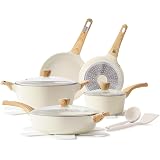
SENSARTE Ceramic Cookware Sets, Pots and Pans Set Non stick, 14 Piece Induction Cookware, Non toxic Healthy Non Stick Kitchen Cooking Set, with Frying Pans Set, PFAS PTFE PFOA PFOS Free
$79.99 (as of September 24, 2026 18:55 GMT +00:00 - More infoProduct prices and availability are accurate as of the date/time indicated and are subject to change. Any price and availability information displayed on [relevant Amazon Site(s), as applicable] at the time of purchase will apply to the purchase of this product.)
Now retrieving an image set.
T-Fal Signature Nonstick Pots and Pans Set 12 Piece, Oven Broiler Safe 350F, Kitchen Cookware Set w/Fry Pans, Saucepans, Saute Pan, Dutch Oven, Griddle, Kitchen, Home, Dishwasher Safe, Black
$109.99 (as of September 24, 2026 18:55 GMT +00:00 - More infoProduct prices and availability are accurate as of the date/time indicated and are subject to change. Any price and availability information displayed on [relevant Amazon Site(s), as applicable] at the time of purchase will apply to the purchase of this product.)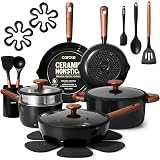
Now retrieving an image set.
CAROTE 21pcs Ceramic Cookware Set, Pots and Pans Set | Non-Toxic Healthy Cooking Set with Silicone Lids, Dishwasher Safe, Even Heating, with Steamer & Silicone Trivet, PFAS FREE
$79.99 (as of September 24, 2026 18:55 GMT +00:00 - More infoProduct prices and availability are accurate as of the date/time indicated and are subject to change. Any price and availability information displayed on [relevant Amazon Site(s), as applicable] at the time of purchase will apply to the purchase of this product.)Material, Shape, and Heat Response
Cookware material determines how rapidly a vessel responds to a heat adjustment and how well it holds warmth after the burner changes. Aluminum and some clad constructions often respond relatively quickly, which can be useful for sautéing, reheating, and recipes that need frequent temperature changes. Cast iron and other thick, heavy vessels tend to retain heat longer, helping maintain a steady cooking environment but making corrections slower. Stainless steel describes a surface and construction category rather than one uniform heating behavior, so thickness and internal layers matter.
Heat response affects timing in opposite ways. A responsive pan may reach cooking temperature quickly and cool more readily when ingredients are added, but it can lose heat if the batch is too large. A heat-retentive pot may take longer to preheat yet recover more steadily during a long simmer. For example, a lightweight skillet may be efficient for two portions of sliced mushrooms, while a heavier pan with adequate surface area may be more dependable for browning a larger quantity without prolonged steaming.
Shape matters just as much. A wide vessel promotes evaporation and gives ingredients room to contact the cooking surface. A tall, narrow pot conserves space and can reduce splashing, but its smaller surface area may slow reductions. A lid traps heat and moisture, often shortening the time needed to soften ingredients, while leaving it on during a reduction can extend the schedule because excess liquid has nowhere to escape.
Do not treat one material as universally fastest. Speed may conflict with control, durability, weight, or the desired texture. The practical test is whether the cookware maintains the process the dish requires. If browning repeatedly stalls, check pan width, batch size, and heat recovery before assuming the recipe is inaccurate. If delicate food darkens before the center is ready, a thinner or more responsive vessel, lower heat, or a lid used at the right stage may be more suitable.
Matching Vessels to Foods and Batch Sizes
The most reliable meal timing comes from matching cookware capacity and geometry to the food being prepared. A vessel should hold the ingredients without forcing them into a crowded layer or leaving so much empty space that evaporation and heat distribution become difficult to control. The correct match depends on the task: browning needs contact area, simmering needs adequate depth, and steaming needs room for vapor to circulate.
Batch size is a frequent source of delay. When a pan is overloaded with chilled meat or wet vegetables, its temperature drops and moisture accumulates. Instead of browning, the ingredients may soften in their own steam. Dividing the food into two batches can improve surface contact, but it also adds time. A larger pan may eliminate the second batch, provided the burner can heat the vessel effectively and the food is spread rather than piled.
Different foods show the effect clearly. Pancakes need a broad, evenly heated surface when several servings must be ready together. Rice needs a pot with enough headspace to prevent boilovers and a lid that fits securely. A shallow roasting pan can speed the cooking of vegetables by keeping pieces in a relatively open layer, whereas a deep dish may trap moisture and produce a softer result. A small saucepan is efficient for a modest amount of soup but becomes inconvenient when a family-sized portion requires repeated reheating.
When selecting a vessel, use this short priority order:
- Portion capacity: Choose enough room for the normal batch without crowding.
- Cooking objective: Favor width for browning and reduction, depth for simmering, and a fitted lid for covered cooking.
- Heat-source fit: Make sure the base contacts the burner appropriately; an oversized pan may heat unevenly.
- Serving sequence: Consider whether the cookware can hold food safely and conveniently while another dish finishes.
A common misconception is that a larger vessel always saves time. It may shorten batch work, but a very large pot can take longer to heat and may waste energy on a small portion. The best choice is proportionate capacity, not maximum capacity. This is another practical connection to the importance of cookware in meal timing: timing improves when vessel size reflects the actual quantity being cooked.
Planning a Faster, More Reliable Cooking Sequence
Cookware becomes a scheduling tool when each vessel is assigned a role before cooking begins. Start with the component that has the least flexibility, such as rice that needs a covered rest or a braise that requires sustained simmering. Use waiting periods for parallel work: vegetables can be cut while a pot preheats, and a sauce can reduce while a separate pan cooks a protein.
The sequence should account for thermal lag. A heavy pot may need to preheat before ingredients are added, while a cast-iron skillet may remain hot after the first batch and require a lower setting for the second. Cold ingredients can sharply lower the temperature of any vessel, so loading in smaller amounts or allowing refrigerated food to lose some chill during preparation may make the schedule more predictable. Food-safety decisions still take priority; do not leave perishable ingredients at room temperature for an unsafe period just to improve pan performance.
A practical example is a meal of roasted vegetables, pasta, and a pan sauce. The oven and roasting pan can begin first because the vegetables tolerate a holding period better than pasta. The sauce pan can be warmed while the pasta water heats, but the sauce should not be finished so early that it dries or separates before serving. A broad skillet may be preferable to a narrow pot because it gives room to combine pasta and sauce quickly, reducing the delay between draining and plating.
Signs that the cookware-and-sequence plan is working include steady simmering, even browning, minimal idle time, and food finishing close together. Warning signs include repeated burner adjustments, long waits for heat recovery, sauce thickening before the main component is ready, or cooked food sitting uncovered while another vessel catches up. If those problems recur, change the order or vessel before simply increasing heat. Higher heat can shorten one step while causing scorching, uneven texture, or a longer cleanup.
Common Timing Mistakes and Practical Fixes
The most common timing mistake is relying on recipe minutes without adapting them to the vessel. A recipe written for a wide skillet will not behave identically in a small sauté pan. Another error is starting with a cold, overloaded pot and then compensating with excessive heat. The center may remain undercooked while the bottom sticks, creating both a quality problem and additional cleanup time.
Preheating is useful, but it should be controlled rather than automatic. An empty nonstick pan should not be heated aggressively for an extended period, and cookware should be used within the care and heat limits supplied by its manufacturer. For stainless steel or uncoated pans, moderate preheating followed by the correct amount of cooking fat can support better release, but overheating the fat can create smoke and force a restart.
Another weak assumption is that a lid always speeds cooking. It often helps food heat and soften in a moist environment, but it can delay crisping and reduction. Use it for covered simmering or steaming, then remove it when evaporation or browning becomes the priority. Similarly, transferring food to a serving bowl may stop contact cooking, but it can also cool the meal sooner than leaving it in a covered vessel. The best choice depends on whether the food is still developing texture or simply waiting to be served.
For a better routine, compare the planned time with the actual time after each meal. Note whether the delay came from preheating, crowding, slow recovery, excessive liquid, or a poorly timed handoff between pans. Replace only the limiting vessel first. A wide skillet may solve repeated browning delays; a larger lidded pot may solve family-size simmering; a second compatible pan may solve a bottleneck when two components must finish together. Practical cookware decisions are usually more effective when they target the specific step that is late rather than replacing every item at once.
For additional guidance, consult the care and use documentation supplied by the cookware manufacturer, especially for maximum heat, oven use, preheating, lid handling, and cleaning. University extension cooking resources and recognized food-safety organizations can also provide useful information about batch preparation, holding temperatures, and safe handling while a meal is being timed.
Frequently Asked Questions
Does heavier cookware always cook food faster?
No. Heavy cookware may hold a stable temperature well, but it can take longer to preheat and respond more slowly to adjustments. Its value depends on the recipe and batch size.
Why does overcrowding a pan delay dinner?
Too many cold or wet ingredients reduce surface temperature and trap moisture. Food then steams instead of browning, often requiring smaller batches or a wider vessel.
Which pan shape is best for faster reductions?
A broad, relatively shallow pan usually exposes more liquid to the air, which can encourage evaporation. Use moderate heat and stir as needed to limit scorching.
Can a lid shorten cooking time?
A lid can help retain heat and moisture during covered cooking, but it may slow browning and sauce reduction. Remove it when evaporation or crisping becomes necessary.
What should be replaced first when cooking regularly runs late?
Replace or supplement the vessel causing the bottleneck. A larger skillet may address crowding, while a better-sized pot may improve batch cooking; changing unrelated cookware may not affect the schedule.
Conclusion
Cookware influences meal timing through heat response, capacity, geometry, moisture control, and the way several dishes can run in parallel. The practical priority is not finding one universally fastest material. Choose a vessel that fits the quantity, cooking method, heat source, and desired finish, then account for preheating, recovery, resting, and serving. A wide pan may solve repeated browning delays, while a deep lidded pot may be the better choice for a large simmering batch. Track the step that consistently runs late and adjust that vessel or sequence first. With those checks in place, cookware becomes a predictable part of meal planning rather than an unnoticed source of extra minutes.