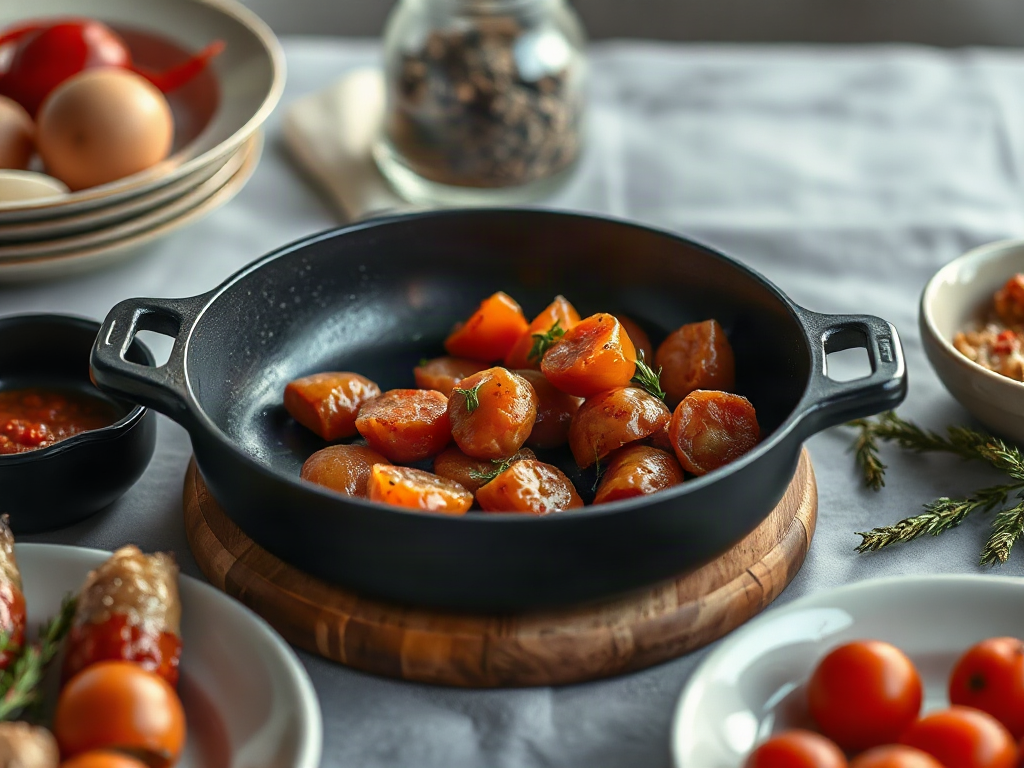
The significance of cookware in meal presentation lies in how a pan or serving vessel frames color, controls visual portions, and influences the transition from kitchen to table. A dark skillet can make pale grains and roasted vegetables stand out, while a shallow dish spreads food into a more deliberate composition and a deep vessel emphasizes warmth and abundance. Material, surface finish, rim height, and retained heat also affect sauce appearance, crispness, and serving temperature. Choose cookware according to the dish’s visual character, transfer food cleanly when the cooking surface distracts from it, and avoid overcrowding, stained finishes, or mismatched proportions that make a carefully prepared meal look untidy.
Why Cookware Changes the Visual Reading of a Meal
Cookware acts as the immediate frame around a dish, so its size, profile, color, and condition influence what diners notice first. A meal served in a wide skillet appears more open and informal than the same meal placed in a compact bowl. A high-sided casserole suggests comfort and abundance, while a low, pale serving dish gives vegetables, grains, or fish a lighter and more composed appearance. These effects do not change the food itself, but they change its visual scale and emphasis.
The connection begins during cooking. A pan that retains heat well may keep a sauce glossy and warm when brought directly to the table, whereas a thin vessel may cool quickly and leave a formerly fluid sauce looking dull or thick. Cast iron, enameled surfaces, stainless steel, ceramic, and glass each create a different visual setting. Dark finishes provide contrast for light foods, but they can make browned ingredients appear less distinct. Bright interiors reveal color clearly, although splashes and residue are more noticeable.
Some suggestions to consider!
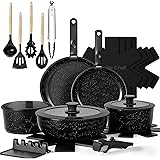
Now retrieving an image set.
Umite Chef 21Pcs Pots and Pans Set Non Stick, Nonstick Ceramic Cookware Sets Detachable Handle, Non Toxic Healthy Induction Cookware, Kitchen Cooking Set, with Frying Pans Set, Dishwasher/Oven Safe
$55.99 (as of September 18, 2026 18:48 GMT +00:00 - More infoProduct prices and availability are accurate as of the date/time indicated and are subject to change. Any price and availability information displayed on [relevant Amazon Site(s), as applicable] at the time of purchase will apply to the purchase of this product.)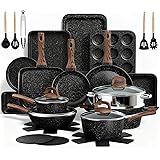
Now retrieving an image set.
Pots and Pans Set Non Stick, 31 Piece Kitchen Induction Cookware & Bakeware Set, Nonstick Kitchen Cooking Pans Set with Frying Pans Set Grill Pan Saucepan Baking Sheet & Utensils, PFOA Free
$115.99 (as of September 18, 2026 18:48 GMT +00:00 - More infoProduct prices and availability are accurate as of the date/time indicated and are subject to change. Any price and availability information displayed on [relevant Amazon Site(s), as applicable] at the time of purchase will apply to the purchase of this product.)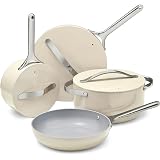
Now retrieving an image set.
Caraway 12-Piece Non-Stick Ceramic Cookware Set | Pots, Pans, Lids and Kitchen Storage, PFAS and PFOA Free, Oven Safe Pan Set and Compatible with All Stovetops, Cream
$445.00 (as of September 18, 2026 18:48 GMT +00:00 - More infoProduct prices and availability are accurate as of the date/time indicated and are subject to change. Any price and availability information displayed on [relevant Amazon Site(s), as applicable] at the time of purchase will apply to the purchase of this product.)Presentation is not limited to formal dining. A family-style pasta served from a broad sauté pan encourages sharing, while individual bowls create clearer portions and reduce serving disruption. The best choice depends on the meal’s purpose, the number of diners, and whether the vessel travels from oven or stovetop to table. The significance of cookware in meal presentation becomes especially clear when the same recipe looks inviting in one vessel and crowded in another.
A common mistake is treating presentation as a final garnish problem. Sprinkling herbs over food cannot fully correct a dish placed in a stained, oversized, or visually distracting pan. Examine the vessel before cooking: check whether its rim contains splashes, whether its proportions suit the quantity, and whether its handle or lid will obstruct serving. Those simple checks often produce a larger visual improvement than adding more decoration.
How Shape, Color, and Surface Affect Presentation
Shape controls spacing, height, and the apparent generosity of a portion. A wide, shallow vessel encourages food to spread, making roasted vegetables, braised greens, and composed salads easier to arrange. A deeper bowl concentrates ingredients and liquid, which suits soups, stews, risotto, and saucy noodles. Neither format is universally better. A shallow dish can make a small portion look expansive, but it may also allow sauce to pool unevenly or food to cool faster.
Color creates contrast between the cookware and the meal. White or cream interiors make red tomato sauce, green herbs, and golden grains easy to read. Matte black or charcoal surfaces provide strong contrast for pale pasta, rice, eggs, and cream-based dishes, though very dark foods may lose definition. Colored enamel can reinforce a rustic or seasonal mood, but a strong vessel color may compete with delicate ingredients. When the dish already contains several intense colors, a quieter cookware finish is usually more effective.
Surface texture adds another visual signal. A rough cast-iron interior suggests hearty, rustic cooking, while smooth ceramic or polished metal feels more refined. Texture also affects practical presentation: a rough surface can hold a sauce in place, but it may make delicate food harder to slide onto a serving spoon. A glossy finish reflects light and can make food appear vibrant, yet fingerprints, oil marks, and water spots are more apparent.
Consider a simple example: roasted carrots with yogurt and herbs. On a broad white platter, the orange color spreads across a clean background and the yogurt creates visible contrast. In a deep, dark pot, the carrots may appear compressed and the yogurt may disappear into shadow. The second vessel might be preferable for keeping the food warm, so the decision is a tradeoff rather than a rule. If heat retention matters, serve from the pot but use a light-colored spoon, a clean rim, and a deliberate arrangement on top.
Weak assumptions also cause problems. “Professional” does not always mean minimalist, and “rustic” does not mean any heavy pan will work. Select shape and finish for the food’s color, moisture, texture, and serving temperature before choosing a style. This approach makes the visual result intentional without forcing every meal into the same aesthetic.
Matching Cookware to Different Foods and Serving Styles
Different foods need different visual space. Layered dishes such as lasagna, gratins, and baked pasta benefit from a vessel with enough depth to show structure without hiding the top crust. A shallow baking dish exposes browning and makes portions easier to cut, while an excessively deep one can make servings look dense and difficult to lift. For soups and stews, a bowl or handled casserole keeps liquid contained and communicates warmth; a wide plate may look elegant but can leave the broth spread thinly around the solids.
Dry or crisp foods usually benefit from airflow and surface exposure. Fried vegetables, roasted potatoes, and seared mushrooms can lose their visual appeal when piled into a narrow pot, because steam softens the surface and hides browning. A broad pan or low serving platter makes the texture visible and allows a controlled scatter of herbs or finishing oil. Moist foods require the opposite priority: a rim or deeper profile prevents sauces from running onto the table and keeps portions visually connected.
Serving style matters as much as recipe type. For family meals, a sturdy skillet or casserole can communicate abundance and reduce transfers between vessels. For individual presentation, transferring food to plates gives more control over spacing, sauce placement, and garnish. A useful compromise is to cook in durable cookware and plate only the final portions. That method adds dishes, but it is worthwhile when the pan is heavily marked, visually busy, or too deep for the intended presentation.
Imagine serving a lemon chicken dish. A pale ceramic braiser may emphasize the golden sauce and green herbs, while a black skillet highlights the chicken’s browning but can make the lemon sauce look darker. If the meal is meant to feel casual and shared, the skillet may be ideal. If the goal is a bright, composed dinner, a neutral serving dish offers better control. The significance of cookware in meal presentation is therefore tied to context, not a fixed ranking of materials.
Portion scale should guide the final choice. Food should occupy enough of the vessel to look intentional without reaching the rim. An oversized pan makes a normal portion seem sparse; an undersized one creates spills, compressed ingredients, and uneven servings. Test the serving volume with water or a similar ingredient before an occasion. That small rehearsal exposes proportion problems before the meal reaches the table.
Common Presentation Mistakes and a Practical Selection Method
The most frequent presentation failures come from mismatched proportions, poor transfer decisions, and neglected surfaces. A pan may cook beautifully yet look unsuitable at the table because its exterior is scratched, its rim is oily, or its handle dominates the setting. Another failure occurs when food is moved too quickly from a hot vessel into a cold one, causing sauce to seize or steam to collect under crisp ingredients.
Use a short decision sequence rather than choosing by appearance alone:
- Identify the visual feature to show: Browning, layered structure, colorful vegetables, glossy sauce, or a delicate garnish may require different shapes.
- Set the portion and serving style: Decide whether the meal will be shared, plated individually, or served in courses.
- Check heat and moisture: Retained heat helps stews and baked dishes, while open space protects crisp foods.
- Inspect the vessel: Remove cookware with distracting stains, damaged coatings, unstable handles, or a rim too narrow for safe serving.
- Plan the transfer: If the cooking pan is visually unsuitable, move the food while it is still cohesive and wipe the serving vessel before adding sauce or garnish.
These steps also clarify tradeoffs. Direct-to-table cooking reduces handling and preserves heat, but it limits control over composition. Plating separately improves arrangement and portion consistency, but it requires more time and can cool food. A restaurant-style finish is not automatically preferable for a family dinner where speed and easy sharing matter more.
One misleading idea is that expensive cookware automatically creates better presentation. Price may relate to durability or finish, but a costly pan with the wrong diameter still frames a meal poorly. Conversely, a modest ceramic dish can look excellent when its scale, cleanliness, and color support the food. Judge the complete setting: table surface, serving utensils, lighting, and the meal’s intended character. The significance of cookware in meal presentation is strongest when those elements work together.
Care, Consistency, and the Dining Experience
Cookware condition affects presentation before anyone tastes the meal. Burn marks, chipped enamel, cloudy glass, and residue around rivets draw attention away from the food and can make a carefully prepared dish appear careless. Routine cleaning should preserve the finish rather than create new damage. Follow the manufacturer’s care instructions, avoid harsh treatment on delicate surfaces, and dry vessels thoroughly so water spots do not remain around the rim.
Consistency also matters when a household serves similar meals regularly. Using one broad pan for shared vegetables, one deep vessel for soups, and a set of neutral individual dishes creates a dependable visual language. That does not require an identical collection. It means choosing a small group of vessels whose sizes and finishes suit the foods most often prepared. A versatile 10- to 12-inch skillet, a medium covered braiser, and a low serving dish may be more useful than a large assortment with no clear role.
Practical constraints should remain visible in the decision. Heavy cookware may retain heat well but be awkward to move safely when full. Ceramic can offer an attractive backdrop but may require more careful handling. Stainless steel is durable and polished, yet cooked-on marks can be noticeable at the table. Nonstick surfaces may release food cleanly, but a pan with a worn or visually dull interior may be better kept for cooking and paired with a separate serving vessel.
Check the result at the table, not only under kitchen lighting. Look for sauce running toward the edge, portions hidden below a high rim, condensation softening crisp food, or a handle interfering with guests. If any of those signs appears, change the vessel or transfer method next time. Presentation improves through observation: note what stayed warm, what remained distinct, and what looked crowded after serving.
For material-specific care and safe use, consult the manufacturer’s instructions for each pan, dish, coating, or enamel finish. Product documentation is the most reliable source for oven limits, utensil compatibility, cleaning methods, and handling precautions that affect both appearance and service life.
Frequently Asked Questions
Why does cookware matter in meal presentation?
Cookware frames the portion, affects color contrast, controls how food is arranged, and can influence serving temperature. Its shape and condition may make a dish look generous, crowded, rustic, or refined.
Which cookware color makes food stand out?
Neutral white, cream, and charcoal surfaces provide useful contrast for many meals. Choose the background according to the food: light dishes often stand out on dark surfaces, while colorful or browned foods are easier to read on lighter ones.
Should food be served in the pan where it was cooked?
Serve directly from the pan when heat retention, sharing, and a casual setting are priorities. Transfer the food when the pan is stained, oversized, difficult to handle, or likely to hide the dish’s color and structure.
What cookware shape works best for crisp foods?
A broad, low vessel usually gives roasted or fried foods more surface exposure and reduces steaming from a deep pile. Use enough rim to contain the food without trapping excessive moisture.
Can inexpensive cookware still present food well?
Yes. Cleanliness, proportion, contrast, and a suitable serving method usually matter more than price. A simple vessel can look polished when it matches the portion and does not distract from the food.
Conclusion
Cookware shapes the way a meal is read before the first bite: it sets visual scale, frames color, reveals texture, and influences whether food stays warm, crisp, or neatly contained. Prioritize the dish’s strongest feature, then match the vessel’s depth, diameter, finish, and handling requirements to that feature. Use direct-to-table cookware when heat and sharing matter, but plate separately when proportion and arrangement need tighter control. Inspect rims and surfaces before serving, and treat stains, crowding, and excessive depth as presentation problems rather than details to hide with garnish. A practical collection does not need to be large. A few clean, well-proportioned vessels chosen for specific foods will produce more consistent results than expensive cookware selected without regard to serving context.