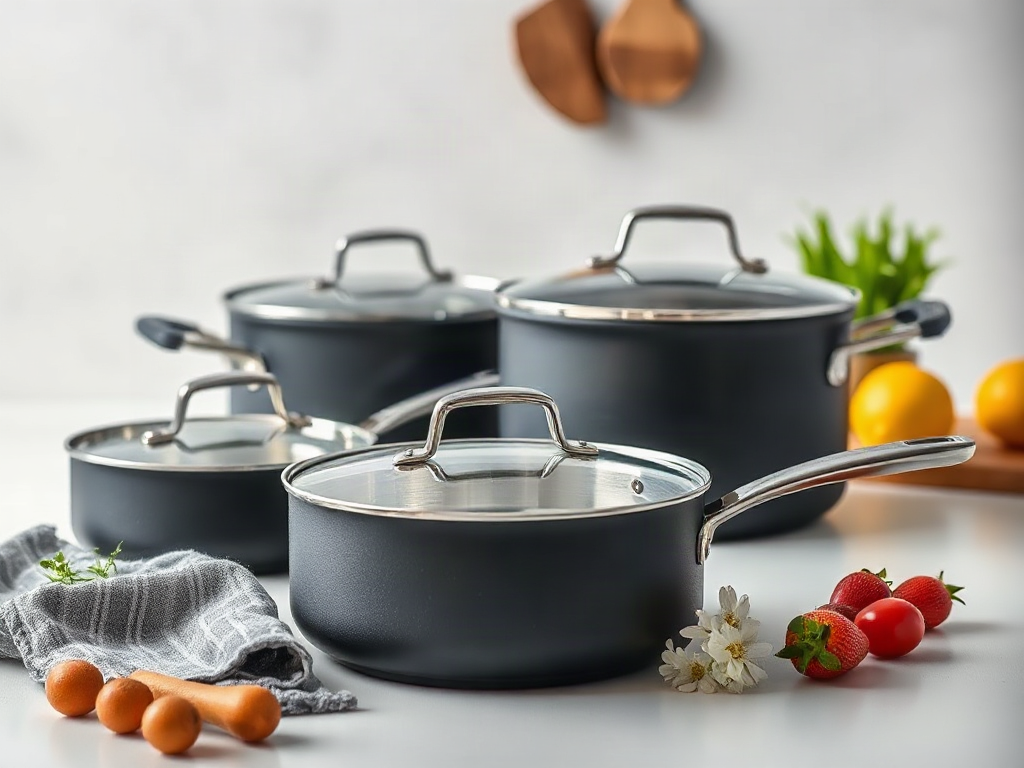
The benefits of using non-toxic cookware include reducing contact with questionable coatings, choosing materials with clearer composition, and maintaining more predictable cooking surfaces over time. Stainless steel, cast iron, carbon steel, glass, and well-made ceramic options can avoid some concerns associated with damaged or overheated coatings, but each has different care requirements and limitations. A safer choice still depends on temperature control, utensil use, surface condition, and truthful product labeling. Replacing a scratched or peeling pan matters more than buying an expensive complete set, while verifying the cooking surface and manufacturer’s care instructions helps prevent avoidable exposure and performance problems.
What Non-Toxic Cookware Means in Practice
Non-toxic cookware is best understood as cookware made with materials and finishes that are clearly identified, appropriate for their intended use, and unlikely to create avoidable concerns when used according to instructions. The phrase is not a universal technical certification. It can refer to uncoated stainless steel, cast iron, carbon steel, glass, or ceramic cookware, but the construction and surface finish matter as much as the material named on the package.
The practical benefit is greater transparency. A bare stainless steel skillet, for example, has a cooking surface that is easy to identify and does not depend on a synthetic nonstick layer for its function. A seasoned cast-iron pan also has a recognizable surface, although its seasoning must be maintained. By contrast, a product described only as “healthy” or “green” without listing the interior material gives shoppers little useful information.
Some suggestions to consider!
Now retrieving an image set.
Amazon Basics Non-Stick Kitchen Cookware 8-Piece Set, Non-Induction, Includes Pots and Pans, Black
$54.72 (as of September 18, 2026 18:48 GMT +00:00 - More infoProduct prices and availability are accurate as of the date/time indicated and are subject to change. Any price and availability information displayed on [relevant Amazon Site(s), as applicable] at the time of purchase will apply to the purchase of this product.)
Now retrieving an image set.
Kikcoin 31 Piece Pots and Pans Set Non Stick Kitchen Cookware Sets | Nonstick Cooking Set with Grill Pan Saucepan Baking Sheet Utensil, Black
$152.99 (as of September 18, 2026 18:48 GMT +00:00 - More infoProduct prices and availability are accurate as of the date/time indicated and are subject to change. Any price and availability information displayed on [relevant Amazon Site(s), as applicable] at the time of purchase will apply to the purchase of this product.)




CAROTE Pots and Pans Set, Ceramic Cookware Set, 14pcs | Healthy Induction Kitchen Set, with Silicone Lids, Easy Clean, Even Heating, Space Saving, PFAS FREE
$68.98 (as of September 18, 2026 18:48 GMT +00:00 - More infoProduct prices and availability are accurate as of the date/time indicated and are subject to change. Any price and availability information displayed on [relevant Amazon Site(s), as applicable] at the time of purchase will apply to the purchase of this product.)Choosing a clearly described surface may reduce uncertainty about what contacts food, particularly when a pan is used at high heat or has begun to deteriorate. That does not mean every coated pan is automatically unsafe or every uncoated pan is ideal. Stainless steel can cause sticking when preheated incorrectly, cast iron is heavy and reactive with some acidic foods, and ceramic finishes may lose their release performance as they wear.
A useful evaluation asks three questions: What is the food-contact surface? What temperatures and utensils does the manufacturer allow? What happens when the surface is scratched, chipped, or worn? Those questions are more informative than relying on marketing language. Readers comparing options can also review the benefits of using non-toxic cookware alongside the care instructions for each material.
Material Choices and Their Real-World Tradeoffs
Material selection determines both the potential benefits and the work required to use a pan well. Stainless steel is durable, nonreactive for most everyday cooking, and suitable for browning, sautéing, and pan sauces. Its main drawback is technique: food may stick if the pan and fat are not heated appropriately. A cook who wants easy release for eggs may prefer a well-maintained seasoned pan or a dedicated coated skillet instead of expecting stainless steel to behave like nonstick cookware.
Cast iron and carbon steel offer durable cooking surfaces that can become more release-friendly through seasoning. They retain heat effectively, making them useful for searing vegetables, meats, and breads. Their limitations are practical rather than mysterious: they are heavier than many alternatives, need drying after washing, and can develop rust if moisture remains on the surface. Acidic ingredients such as tomatoes may also challenge a new or thin seasoning layer, especially during long simmering.
Glass is useful for baking, roasting, and storing certain prepared foods because its surface is easy to inspect and does not rely on a sprayed or bonded release coating. It can break under thermal shock, however, so moving a hot glass dish onto a cold or wet surface is a poor practice. Ceramic cookware requires closer scrutiny because “ceramic” may describe a solid ceramic vessel or a metal pan with a ceramic-based coating; those products have different durability and care expectations.
Consider a household that cooks oatmeal, tomato sauce, stir-fried vegetables, and high-heat steak. One material is unlikely to handle every task equally well. Stainless steel may suit the sauce and steak, glass may suit baking, and a seasoned carbon-steel pan may handle vegetables. A modest combination selected by task is often more sensible than replacing every pan at once. The goal is not to find a magical material but to match a clearly identified surface to the food and temperature involved.
How Heat, Wear, and Care Affect Safety
Heat control is central to the benefits of using non-toxic cookware because even a well-chosen pan can perform poorly when overheated or abused. Empty preheating, burner settings that exceed the manufacturer’s guidance, and rapid temperature changes can damage finishes, warp metal, or create smoke from residual oils. A pan that is suitable for moderate sautéing may not be suitable for prolonged high-heat heating while empty.
Surface wear also changes the decision. A small cosmetic mark on bare stainless steel is different from peeling, flaking, or deep damage on a coated interior. Chipping on a ceramic vessel, severe pitting in metal, or a loose handle deserves attention because the defect can affect food contact, cleaning, or safe handling. Replacing a damaged pan is usually more useful than trying to restore a finish that the manufacturer does not describe as repairable.
Care should fit the material. Use wooden, silicone, or other approved utensils when a coating can be scratched. Avoid plunging a very hot pan into cold water, and dry iron and carbon steel promptly. If a surface begins smoking during ordinary cooking, reduce the heat, remove the pan briefly, and check whether oil residue or an unsuitable temperature is responsible. Persistent odor, visible flaking, or structural damage is a reason to stop using the pan until its condition is assessed.
A common mistake is treating “non-toxic” as permission to ignore instructions. A bare metal pan is not automatically easier or safer if it is repeatedly overheated, poorly cleaned, or used with a damaged handle. The most reliable routine combines moderate heat, appropriate utensils, gradual temperature changes, and periodic inspection. Those habits protect performance as well as the cooking surface.
A Practical Way to Replace Cookware
Replacing cookware in priority order controls cost and addresses the most meaningful problems first. Begin with pieces that show peeling, chipping, severe scratching, corrosion, or unstable handles. A pan used daily deserves earlier attention than a rarely used baking dish in good condition. This approach avoids discarding functional cookware solely because a newer material has become popular.
Next, identify the tasks that cause the most frustration. If eggs routinely stick, a dedicated pan with a well-documented food-contact surface may provide more value than buying a large mixed set. If tomato sauces leave metallic flavors or stubborn residue, compare stainless steel with enamel-coated or glass options intended for acidic cooking. If heavy pans are difficult to lift, weight is a genuine safety and accessibility factor rather than a minor preference.
Use this compact purchasing checklist:
- Find the exact interior or food-contact material rather than relying on the product name.
- Check whether the manufacturer states temperature, oven, dishwasher, and utensil limits.
- Inspect the finish for chips, bubbles, rough patches, or incomplete coverage before use.
- Choose a shape and weight that can be handled securely when full of hot food.
- Keep the care instructions so future wear can be judged against the intended use.
Price alone does not prove a safer construction. A lower-cost uncoated pan with transparent specifications may be a sound choice, while an expensive product using vague claims may offer little additional information. Buyers who want more decision context can use the benefits of using non-toxic cookware as a starting point, then verify claims through the product’s technical documentation.
What the Benefits Do—and Do Not—Promise
The main benefits are practical: clearer knowledge of the food-contact surface, fewer concerns about a visibly deteriorating coating, durable options that can last for years, and cookware choices suited to different cooking methods. These advantages can make a kitchen easier to manage, but they do not turn cookware into a substitute for safe food handling. Washing hands, preventing cross-contamination, cooking food appropriately, and refrigerating leftovers remain separate responsibilities.
Non-toxic cookware also does not guarantee that food will be healthier. A stainless steel pan can cook vegetables in oil, butter, or a heavily salted sauce, just as a coated pan can cook a balanced meal. The pan affects heat transfer, sticking, cleanup, and surface considerations; it does not determine the nutritional value of the recipe.
Another weak assumption is that “natural” always means durable. Seasoned iron is made from familiar materials, yet it can rust when neglected. Ceramic may feel attractive and easy to clean at first, but a coating can lose its release properties with abrasive cleaning or high heat. Conversely, a plain metal pan may require more technique while remaining useful for a very long time. The best decision balances surface clarity, expected lifespan, cooking style, maintenance, budget, and physical comfort.
For a sensible next step, inspect the pans already in the kitchen and record which surfaces are damaged, which tasks they serve, and which care rules are being missed. Replace the highest-concern item first, learn its temperature and cleaning limits, and reassess after several weeks of normal use. That measured process is more reliable than making broad safety claims about an entire category.
Frequently Asked Questions
What cookware materials are commonly considered non-toxic?
Common choices include uncoated stainless steel, cast iron, carbon steel, glass, and some ceramic products. The exact construction, finish, labeling, and intended use still need verification.
Is stainless steel safer than nonstick cookware?
Neither label alone answers every safety question. Stainless steel avoids a nonstick coating but requires proper heat and oil control, while a coated pan must be used within its temperature and utensil limits.
When should non-toxic cookware be replaced?
Replace cookware with peeling or chipped interiors, severe pitting, structural damage, loose handles, or persistent deterioration that interferes with cleaning and normal use.
Can non-toxic cookware be used for high-heat cooking?
Some uncoated metals are well suited to high heat, but the manufacturer’s instructions, pan construction, oil choice, and cooking method still matter. Avoid heating any pan empty beyond its stated limits.
Does ceramic cookware always mean solid ceramic?
No. “Ceramic cookware” may describe solid ceramic or a metal pan with a ceramic-based coating. Check the product specifications to understand the actual food-contact surface and care requirements.
Conclusion
The benefits of using non-toxic cookware come from making the food-contact surface easier to identify, limiting avoidable wear concerns, and selecting a pan that suits the heat, food, and handling demands of the kitchen. No single material wins every comparison. Stainless steel offers durability but rewards technique; cast iron and carbon steel require seasoning and drying; glass is inspectable but vulnerable to thermal shock; ceramic products need careful distinction between solid vessels and coatings.
Inspect existing pans before shopping, replace damaged pieces first, and read temperature and utensil limits rather than trusting broad marketing language. A small, well-matched collection used and maintained correctly can provide more practical value than a large set bought on vague safety promises.