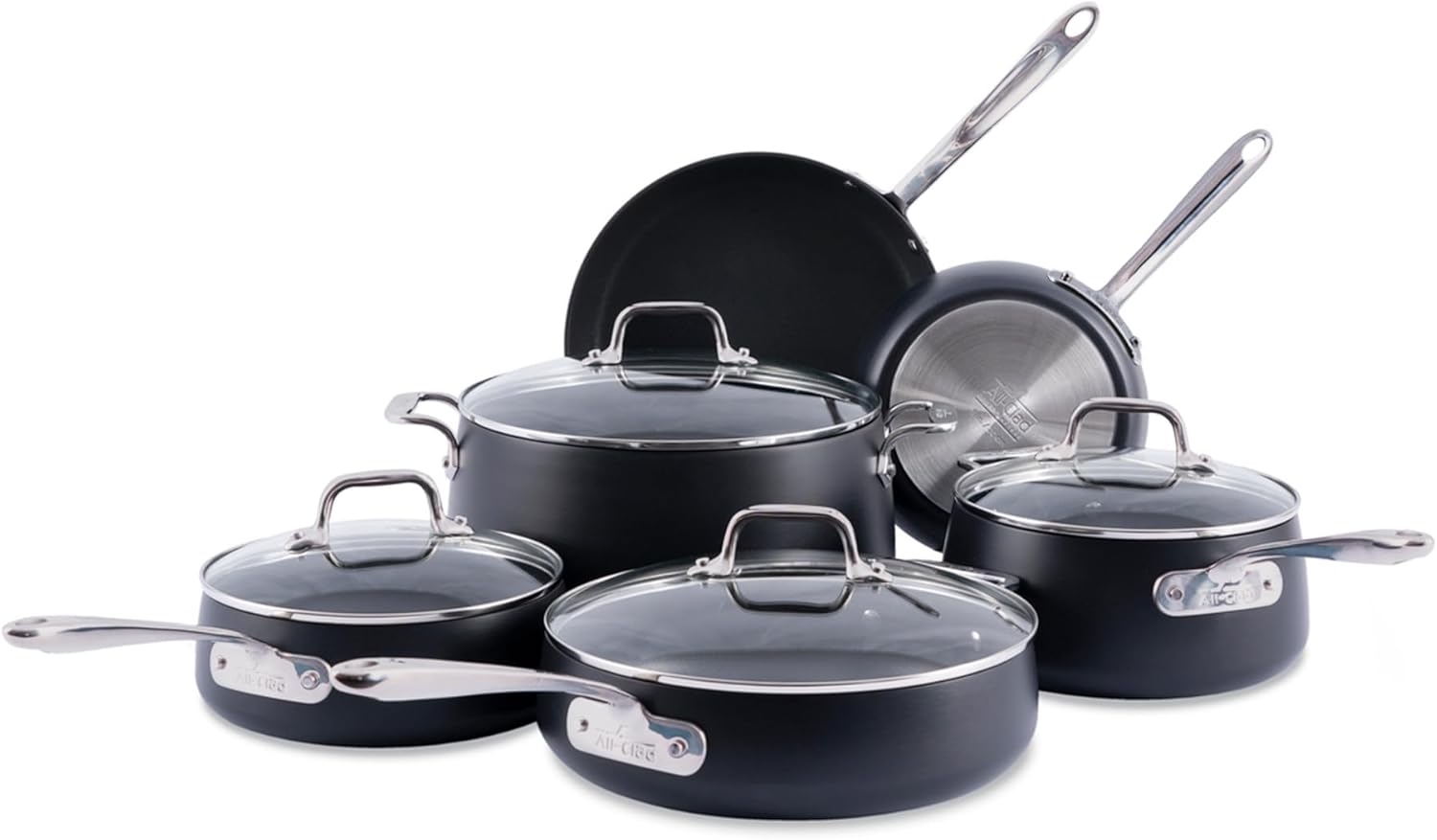
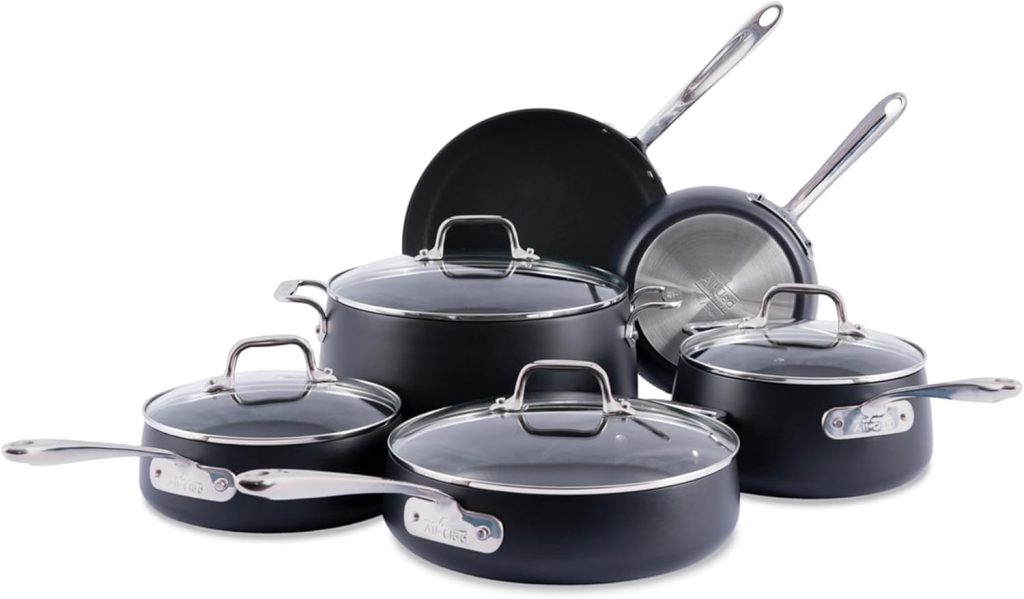
Some cookware is easier to clean due to its materials and design features, such as non-stick coatings and smooth surfaces. Non-stick cookware allows food to slide off easily, while stainless steel and cast iron can be treated to enhance their cleanability. Prioritizing the right material and understanding its care requirements can significantly reduce cleanup time. Choosing the right cookware can lead to a more efficient cooking and cleaning experience.
The choice of cookware material plays a crucial role in ease of cleaning. Non-stick surfaces are designed to prevent food from adhering, making them particularly user-friendly for everyday cooking. However, some non-stick options may not be suitable for high–heat cooking or metal utensils, which can compromise their lifespan. On the other hand, materials like stainless steel and cast iron require specific cleaning techniques to maintain their performance and appearance, which can be a trade-off for their durability and heat retention capabilities.
Material Matters: The Impact of Cookware Composition
The type of material used in cookware profoundly influences its cleanability. Non-stick cookware, often coated with Teflon or ceramic, allows for easy food release, which simplifies the cleaning process. However, it’s essential to note that not all non-stick pans are created equal. Some may degrade over time, especially if exposed to high temperatures or harsh cleaning tools.
Stainless steel is another popular option due to its durability and resistance to rust and staining. While it requires more effort to clean compared to non-stick surfaces, its longevity can justify the extra care. Cast iron, when properly seasoned, offers a natural non-stick surface but requires specific cleaning methods to avoid rusting and preserve its seasoning. Understanding these material properties can help consumers make informed decisions when selecting cookware that aligns with their cleaning preferences.
Some suggestions to consider!
Now retrieving an image set.
Tramontina Signature Tri-Ply Clad Stainless Steel 12-Pc Pots and Pans Set | Cookware Kitchen Set, Induction-Ready, Dishwasher-Safe, NSF-Certified, Made in Brazil
$315.00 (as of September 9, 2026 18:39 GMT +00:00 - More infoProduct prices and availability are accurate as of the date/time indicated and are subject to change. Any price and availability information displayed on [relevant Amazon Site(s), as applicable] at the time of purchase will apply to the purchase of this product.)
Now retrieving an image set.
T-Fal Ultimate Hard Anodized Nonstick Pots and Pans Set 17 Piece, Nonstick Cookware Set with Fry Pan, Saucepans, Saute-Pan, Griddle, Dishwasher Safe, Onyx
$229.99 (as of September 9, 2026 18:39 GMT +00:00 - More infoProduct prices and availability are accurate as of the date/time indicated and are subject to change. Any price and availability information displayed on [relevant Amazon Site(s), as applicable] at the time of purchase will apply to the purchase of this product.)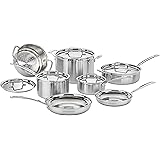
Now retrieving an image set.
Cuisinart Stainless Steel Pots and Pans Set, Induction Compatible, 12 pc | 12-pc Cuisinart stainless steel cookware set with saucepans, sauté pan, stockpot, & skillets, oven safe to 500°F, MCPS-12N
$219.95 (as of September 9, 2026 18:39 GMT +00:00 - More infoProduct prices and availability are accurate as of the date/time indicated and are subject to change. Any price and availability information displayed on [relevant Amazon Site(s), as applicable] at the time of purchase will apply to the purchase of this product.)Design Features That Make Cleaning Easier
Cookware design features can significantly enhance or impede the cleaning process. Features such as rounded edges and smooth surfaces reduce the likelihood of food particles getting trapped, making cleanup faster. Handles that are designed to stay cool during cooking can also be easier to grasp and maneuver, reducing accidental mess.
Moreover, cookware that is dishwasher safe offers added convenience for busy individuals. However, it’s important to check the manufacturer’s guidelines, as some non-stick coatings can deteriorate in the dishwasher. Additionally, features like removable handles can make pots and pans easier to clean and store, providing both practical benefits and enhanced usability.
Common Mistakes in Cookware Maintenance
Many people overlook the importance of proper cookware maintenance, leading to unnecessary cleaning challenges. For instance, using metal utensils on non-stick surfaces can scratch and damage the coating, making it harder to clean and potentially harmful over time. Similarly, failing to season cast iron cookware regularly can result in food sticking and rusting.
Another common mistake is using abrasive cleaners on stainless steel, which can lead to scratches and dullness. Instead, using gentle, non-abrasive cleaners and maintaining a regular cleaning schedule can help preserve the cookware’s appearance and functionality. By understanding these pitfalls, users can maintain their cookware effectively, ensuring it remains easy to clean.
Real-World Scenarios: Choosing the Right Cookware
When selecting cookware, consider your cooking habits and cleaning preferences. If you frequently prepare sticky foods like pancakes or eggs, investing in high-quality non-stick cookware may save you time and effort. Conversely, if you prefer searing meats or cooking at high temperatures, stainless steel or cast iron may be more appropriate, despite requiring more intensive cleaning.
Additionally, think about your storage capabilities. Cookware that stacks neatly or has removable handles can be easier to store and maintain. Ultimately, evaluating both your cooking style and cleaning preferences can guide you in choosing the right cookware that aligns with your lifestyle.
For those interested in deepening their understanding of cookware materials and maintenance, consider exploring reputable culinary resources or manufacturer guidelines that provide insights on the best practices for cleaning and maintaining various types of cookware.
Frequently Asked Questions
What types of cookware are easiest to clean?
Non-stick cookware is generally the easiest to clean due to its surface that prevents food from sticking, followed by stainless steel if maintained properly.
Can I use metal utensils on non-stick cookware?
No, using metal utensils can scratch the non-stick surface and reduce its effectiveness, leading to more challenging cleanup.
Is cast iron cookware hard to clean?
Cast iron requires special care, including seasoning, but when maintained correctly, it can be quite easy to clean.
How do I maintain stainless steel cookware?
Use non-abrasive cleaners and avoid harsh scrubbing to maintain its shine and prevent scratching.
What should I consider when buying cookware?
Consider the type of food you cook, your cleaning preferences, and the storage capabilities of the cookware you choose.
Conclusion
In conclusion, the ease of cleaning cookware is significantly influenced by its material and design features. Non-stick cookware offers the most straightforward cleaning experience, while stainless steel and cast iron provide durability with specific maintenance needs. Prioritizing the right cookware based on your cooking habits and cleaning preferences can lead to a more efficient kitchen experience. Understanding the materials and common cleaning mistakes can help you maintain your cookware in optimal condition, ensuring a smoother cooking and cleaning process.