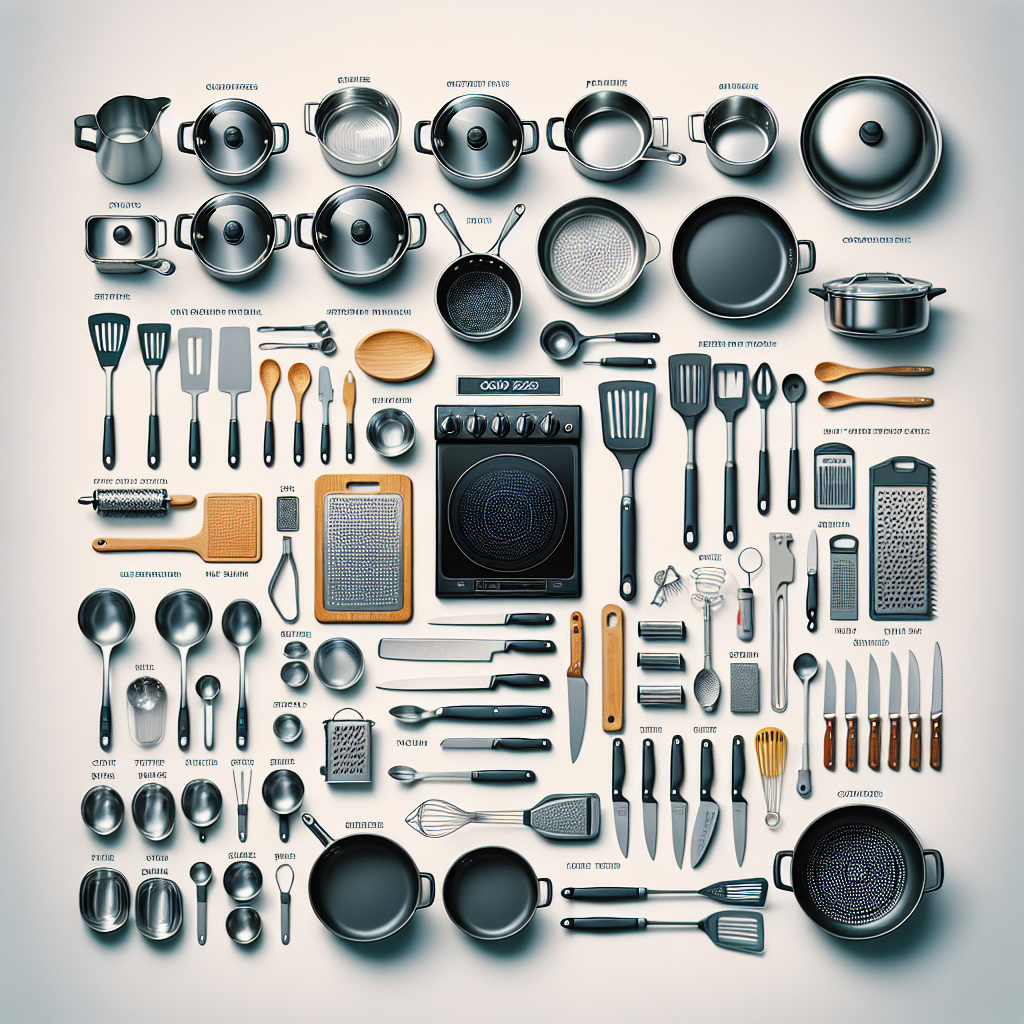
Warping typically occurs due to thermal expansion when cookware is subjected to extreme heat or rapid temperature changes. For instance, placing a cold pan on a hot burner can cause the material to expand unevenly, leading to warping. Additionally, using metals that are not designed for high-heat applications can exacerbate the problem. Understanding these factors is essential for maintaining the integrity of your cookware.
Choosing the Right Cookware Materials
Selecting the right materials for your cookware is crucial in preventing warping. Stainless steel, cast iron, and heavy-duty aluminum are less prone to warping compared to thin or flimsy materials. High-quality cookware often comes with a thicker base, which helps distribute heat evenly and minimizes the risk of warping.
Invest in cookware that is specifically designed for your cooking style. For instance, if you often use high heat, opt for materials that can withstand it without compromising their shape. Remember, while cheaper options may seem appealing, they often lack the durability needed to prevent warping.
Proper Heating Techniques
To prevent warping, it is vital to use proper heating techniques. Always start with low to medium heat settings and gradually increase the temperature as needed. This allows the cookware to heat evenly and reduces the risk of thermal stress.
Some suggestions to consider!

Now retrieving an image set.
Calphalon Classic Stainless Steel Cookware Set, 10-Piece, Impact-Bonded Aluminum Base, Stay-Cool Handles, Oven Safe 450F, Silver
$126.34 (as of October 7, 2026 19:05 GMT +00:00 - More infoProduct prices and availability are accurate as of the date/time indicated and are subject to change. Any price and availability information displayed on [relevant Amazon Site(s), as applicable] at the time of purchase will apply to the purchase of this product.)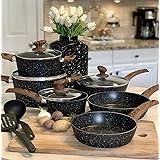
Now retrieving an image set.
Kitchen Academy Pots and Pans Set Non Stick, 12pcs Induction Cookware | Nonstick Kitchen Cookware Set, Black Granite Cooking Pans, PFOS & PFOA Free, Easy Food Release, Fast & Even Heating
$87.99 (as of October 7, 2026 19:05 GMT +00:00 - More infoProduct prices and availability are accurate as of the date/time indicated and are subject to change. Any price and availability information displayed on [relevant Amazon Site(s), as applicable] at the time of purchase will apply to the purchase of this product.)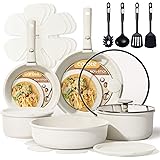


CAROTE 19pcs Pots and Pans Set Non Stick, Detachable Handle Cookware | Kitchen Cooking Sets, Space Saving, Dishwasher & Oven Safe, Non-Toxic, for Camping/RV/Traveling, Cream White
$59.99 (as of October 7, 2026 19:05 GMT +00:00 - More infoProduct prices and availability are accurate as of the date/time indicated and are subject to change. Any price and availability information displayed on [relevant Amazon Site(s), as applicable] at the time of purchase will apply to the purchase of this product.)Avoid preheating an empty pan, as this can cause warping. Instead, add oil or food to the pan before heating. Furthermore, consider using heat diffusers for sensitive cookware, which can help distribute heat more evenly and prevent hot spots that contribute to warping.
Cleaning and Maintenance Practices
Maintaining your cookware properly is essential for longevity. Use gentle cleaning methods and avoid abrasive materials that can scratch the surface. Always allow cookware to cool down before washing to prevent thermal shock, which can lead to warping.
Store your cookware carefully, avoiding stacking heavy pots on top of lighter ones. Using protective pads can help maintain their shape and prevent scratches that might weaken the material over time.
Common Mistakes to Avoid
Many users inadvertently contribute to cookware warping through common mistakes. One major error is cooking with high heat on low-quality cookware. Additionally, frequently switching between hot and cold environments can stress the material and lead to warping.
Another mistake is overcrowding pans. When too much food is placed in a pan at once, it can lead to uneven heating, which increases the risk of warping. Always ensure that your cookware is appropriately sized for the amount of food you are preparing.
Further Reading
Authoritative Sources
- Cooking Light
cookinglight.comThis source provides insights into cookware maintenance and the importance of choosing quality materials
Frequently Asked Questions
What causes cookware to warp?
Cookware warps primarily due to rapid temperature changes and uneven heating, leading to thermal stress on the material.
Can warped cookware be fixed?
In most cases, warped cookware cannot be fixed effectively and should be replaced to ensure even cooking.
How can I tell if my cookware is warped?
A simple test is to place a straight edge, like a ruler, across the bottom of the pan. If there are gaps, the cookware is warped.
Is it safe to use warped cookware?
Using warped cookware is not recommended as it can lead to uneven cooking and potential safety hazards.
What materials are best for avoiding warping?
Stainless steel, cast iron, and heavy-duty aluminum are the best materials for minimizing the risk of warping.