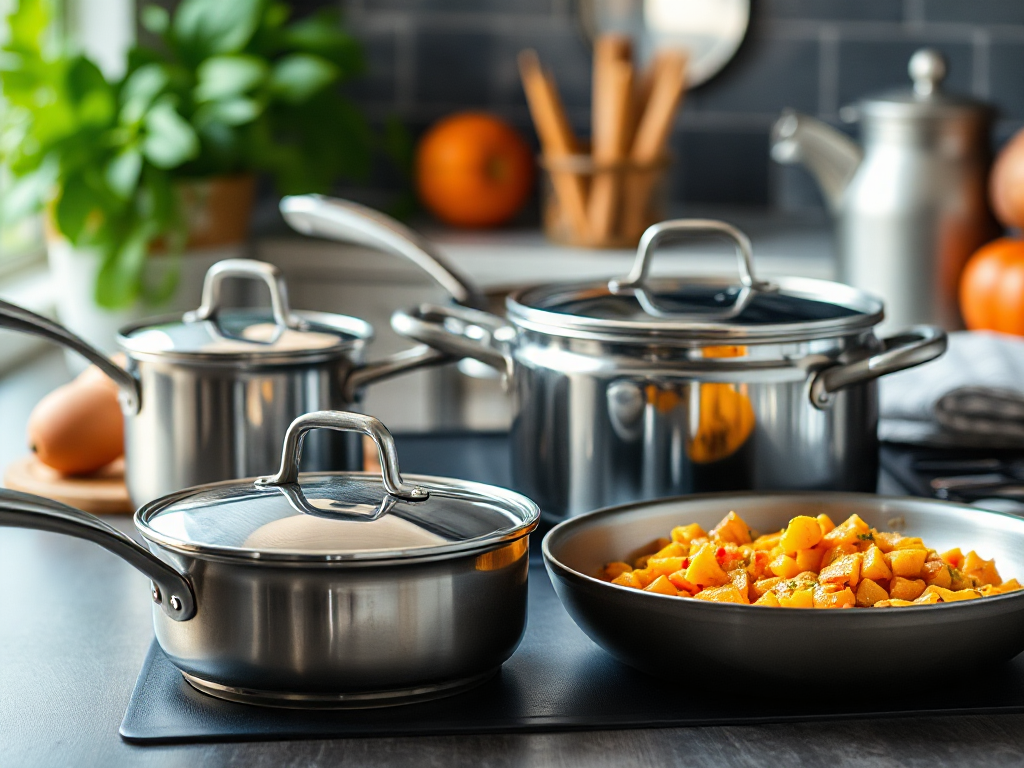
Match cookware with your cooking style by comparing the foods you make, the heat control you use, your cooktop, and how much maintenance you will accept. Stainless steel suits browning, pan sauces, and high-heat searing because its uncoated surface develops fond, while nonstick is better for eggs, delicate fish, and low-fat cooking. Cast iron retains heat for steaks, cornbread, and oven-to-table meals but is heavy and needs seasoning care. Enameled cast iron handles braises without seasoning, and carbon steel offers fast response with a seasoned surface. Check pan size, handle comfort, induction compatibility, oven limits, and cleaning demands before buying a set.
Start With the Food and Techniques You Actually Use
Your regular meals reveal more about the right cookware than a matching set’s piece count. Someone who cooks eggs, pancakes, reheated rice, and delicate fish needs easy release and moderate heat, while a cook who sears steaks, reduces sauces, and browns vegetables benefits from a durable uncoated surface. Write down the meals you make in a typical week, then identify the techniques behind them: searing, simmering, sautéing, braising, frying, baking, or quick reheating.
Technique determines what the pan must do. Searing depends on a surface that tolerates high heat and encourages browning. A pan sauce depends on browned bits that can be loosened with liquid. Simmering rewards even heating and enough depth to reduce splashing. Nonstick cookware releases eggs easily, but its coating is not the ideal setting for developing a dark fond. Stainless steel may demand more attention to preheating and oil, yet that learning curve pays off when you want browning and deglazing.
Some suggestions to consider!
Now retrieving an image set.
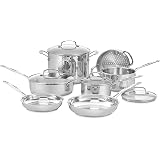
Cuisinart Chef’s Classic 11-Piece Stainless Steel Pots and Pans Set, Cookware Set Compatible with Induction, Electric, Gas Cooktops, Aluminum Core for Even Heat, Cool Grip Handles, Dishwasher Safe
$129.95 (as of September 4, 2026 18:34 GMT +00:00 - More infoProduct prices and availability are accurate as of the date/time indicated and are subject to change. Any price and availability information displayed on [relevant Amazon Site(s), as applicable] at the time of purchase will apply to the purchase of this product.)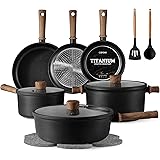
Now retrieving an image set.
CAROTE 16pcs Pots and Pans Set, Nonstick Cookware Sets | Titanium Reinforced Coating, Scratch-Resistant, Easy to Clean, Even Heating, Induction Compatible, with Frying Pans Set
$89.99 (as of September 4, 2026 18:34 GMT +00:00 - More infoProduct prices and availability are accurate as of the date/time indicated and are subject to change. Any price and availability information displayed on [relevant Amazon Site(s), as applicable] at the time of purchase will apply to the purchase of this product.)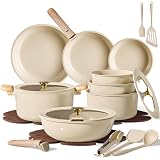
Now retrieving an image set.
CAROTE 25pcs Ceramic Cookware Set, Pots and Pans Set with Detachable Handle | Non-Stick, Non-Toxic, PFAS & PFOA Free, Induction Compatible, Dishwasher & Oven Safe, Space Saving, Camping Cooking, Oatmeal
$119.99 (as of September 4, 2026 18:34 GMT +00:00 - More infoProduct prices and availability are accurate as of the date/time indicated and are subject to change. Any price and availability information displayed on [relevant Amazon Site(s), as applicable] at the time of purchase will apply to the purchase of this product.)Consider your cooking pace as well. A weeknight cook preparing one skillet meal may value a lightweight pan that cools quickly and cleans without soaking. A batch cook making chili, stock, or braised meat may prefer a heavy pot that holds a steady temperature. Neither choice is universally better. Heavy construction can stabilize heat, but it also takes longer to warm and may be tiring to lift when full.
A useful first-pass test is to assign each frequent task a priority:
- Release: eggs, crepes, tofu, and fragile fish favor a slick surface.
- Browning: steaks, mushrooms, and chicken thighs need a surface suited to fond formation.
- Volume: soups, pasta, and braises require capacity and useful depth.
- Speed: stir-fries and quick vegetables benefit from responsive heating and a broad cooking area.
Do not buy around occasional ambitions. A large stockpot has limited value if you rarely cook for a crowd, and a specialty wok may disappoint on a small electric burner. Your cookware plan should reflect the foods and techniques you repeat, with one adaptable piece reserved for experiments. The related principles in how to match cookware with your cooking style become much clearer once everyday use is the starting point.
Match Pan Materials to Heat Behavior
Cookware materials differ mainly in how quickly they respond to heat, how much heat they retain, and how the cooking surface interacts with food. Those properties affect browning, sticking, simmer stability, and recovery after cold ingredients enter the pan. A material label alone is not enough; thickness, construction, and the cooktop also influence the result.
Stainless steel is a strong choice for cooks who value searing and pan sauces. It has no synthetic coating to worry about scratching, and browned residue can be deglazed with wine, stock, or water. Food may stick when the pan is too cool, the surface is crowded, or the protein is moved before it has formed a crust. Preheating, adding an appropriate amount of oil, and drying ingredients can reduce that problem. The tradeoff is that stainless steel is less forgiving for eggs and other delicate foods than a well-maintained nonstick pan.
Nonstick cookware suits low- to medium-heat cooking where release matters more than fond. Omelets, pancakes, fish fillets, and reheating foods are natural matches. It is not a universal replacement for stainless steel: very high heat, metal utensils, abrasive cleaning, and empty preheating can shorten the useful life of many coatings. Follow the manufacturer’s heat and utensil guidance, and replace a pan when the surface is visibly deteriorated rather than treating it as a lifetime searing tool.
Cast iron retains heat effectively, making it useful for steak, cornbread, shallow frying, and dishes that move from stovetop to oven. Its weight can make tossing vegetables awkward, and its heat retention can punish a cook who turns the burner too high and then struggles to cool the pan. Seasoning helps create a more workable surface, but it does not make cast iron behave like modern nonstick cookware. Enameled cast iron offers similar heat retention without requiring exposed-iron seasoning, though it is heavy and can be costly.
Carbon steel occupies a useful middle ground for cooks who want high-heat capability with a lighter pan than cast iron. It responds faster, develops a seasoned surface, and can suit stir-frying, sautéing, and fried eggs after proper use. Acidic ingredients and aggressive scrubbing may affect seasoning, especially on a new pan. Copper and multi-layer constructions can offer rapid or even heating, but their price, care requirements, and compatibility with a particular cooktop deserve scrutiny.
Choose behavior rather than prestige. A cook who makes pan sauces several times a week may get more value from stainless steel than from an expensive nonstick collection. Someone cooking breakfast daily may reasonably prioritize one quality nonstick skillet and add stainless steel later. For more detail on construction and use, see how to match cookware with your cooking style before comparing brand claims.
Choose Shapes and Sizes for Real Kitchen Tasks
Pan geometry changes how ingredients contact heat, how moisture escapes, and how easily you can handle the food. A wide skillet encourages evaporation and gives vegetables room to brown; a narrow, deep pot reduces surface exposure and contains liquid more effectively. Matching shape to task often matters as much as choosing a material.
A 10- to 12-inch skillet is a practical range for many households, but the correct size depends on portions and burner diameter. Overcrowding a small pan traps steam and turns browning into simmering. An oversized pan on a small burner may heat unevenly at the edges. For two portions of sautéed vegetables or chicken, choose enough floor space to leave gaps between pieces. For a family-size pasta sauce or one-pan dinner, prioritize capacity without selecting a vessel so large that it becomes difficult to control.
Sauté pans have straighter, taller sides than skillets, which helps contain liquids and makes them useful for braises, curries, and shallow frying. A saucepan is better for oatmeal, grains, custards, and small batches of sauce because its depth limits evaporation and splatter. A Dutch oven supports soups, stews, and bread baking, but its mass and capacity are unnecessary for a cook who mostly prepares fast meals for one person.
Shape also affects workflow. Sloped sides make it easier to slide a spatula beneath food and toss vegetables. Straight sides provide more usable volume for sauces. A long handle can keep hands away from heat, while a helper handle makes a heavy pot safer to lift. Handles that stay cool on the stovetop may still become hot in the oven, so oven use should be checked rather than assumed.
Imagine the actual sequence of a meal before purchasing. If you brown chicken, add vegetables, pour in stock, and finish in the oven, a wide oven-rated sauté pan may replace several smaller pieces. If you cook eggs separately from a large family stew, two specialized vessels may perform better than one compromise pan. Useful cookware selection decisions come from the movement of food through the pan, not from a set’s attractive packaging.
Balance Maintenance, Cooktop Limits, and Budget
The best pan is one you will use correctly and maintain consistently. Before choosing materials, identify your cooktop, storage space, lifting comfort, and tolerance for hand washing or seasoning. Induction requires a magnetic base, and compatibility should be confirmed through the manufacturer’s specifications rather than inferred from appearance. Gas burners may favor responsive pans, while electric and induction surfaces can reward flat, stable bases.
Maintenance is part of the cooking style match. Nonstick usually reduces cleanup but requires gentler utensils and sensible heat. Stainless steel tolerates more vigorous use but may need soaking or a suitable cleaner after browned residue. Cast iron benefits from drying immediately and maintaining its seasoning, while carbon steel can develop uneven patches if it is stored damp or exposed to prolonged acidic cooking. These are manageable tasks, but they become a poor match when the owner strongly dislikes them.
Budget should be allocated by frequency, not by buying every material at once. A durable stainless skillet used four nights a week can be a better investment than a large set containing several pieces that remain in storage. A modest saucepan and one reliable skillet may cover most meals for a small household. Add a Dutch oven, nonstick egg pan, or carbon steel wok only when a recurring task exposes a genuine limitation.
Common mistakes include judging quality by weight alone, assuming all metal cookware is induction-ready, and selecting a complete set before checking whether its largest pieces fit the oven and cabinets. Weight can signal heat retention but can also create handling problems. A pan that is technically oven-safe may have a lid, coating, or handle restriction that changes how it can be used. Read care and temperature instructions for the exact model.
Test the decision against three constraints: what you cook, what your stove supports, and what you will realistically clean. If a pan fails any one of those tests, its theoretical performance will not matter much in daily use.
Build a Practical Cookware Lineup
A balanced lineup usually begins with pieces that cover distinct jobs rather than duplicate the same shape. For many kitchens, a versatile stainless or clad skillet handles browning, a smaller nonstick skillet handles delicate foods, and a saucepan covers grains, sauces, and reheating. The next addition should address the meal that currently forces an awkward workaround.
Use a simple trial period before expanding. For two weeks, note when food sticks, when the pan is too small, when a pot takes too long to heat, and when cleanup changes what you are willing to cook. A sticking problem may reflect overcrowding or insufficient preheating rather than the wrong material. A slow pot may be too heavy for the burner, or it may simply be sized for more food than you prepare. Diagnose the limitation before replacing equipment.
For example, a home cook who makes stir-fried vegetables, fried eggs, and weekend braises might choose a responsive carbon steel skillet, a compact nonstick pan, and an enameled Dutch oven. A different cook who makes tomato sauces, roasted chicken, and one-pot grains might favor stainless steel, a straight-sided sauté pan, and a medium saucepan. Both lineups are coherent because they follow technique and volume rather than a universal shopping list.
Look for signs that a match is working: ingredients brown without excessive burner adjustments, the pan fits the portion comfortably, handles feel secure, and cleaning does not discourage the next meal. Signs of a mismatch include persistent overcrowding, repeated coating damage, uncomfortable lifting, unstable simmering, or choosing takeout because the cleanup is unreasonable. Those observations are more useful than a generic ranking.
When comparing options, prioritize cooking surface, base flatness, handle design, lid fit, oven and cooktop compatibility, and care instructions. Decorative finishes and extra accessories matter less unless they solve a specific storage or workflow problem. A focused collection that fits your habits will usually outperform a larger collection assembled without a clear purpose.
For model-specific temperature limits, induction compatibility, cleaning directions, and warranty terms, consult the manufacturer’s official documentation before using a new pan. Cooktop and oven instructions can vary even among pieces made from the same material.
Frequently Asked Questions
Should beginners buy a complete cookware set?
A small, task-based collection is often more practical. Start with a skillet, saucepan, and suitable larger pot, then add specialty pieces after repeated cooking exposes a need.
Is stainless steel or nonstick better for everyday cooking?
Choose stainless steel for browning, searing, and pan sauces; choose nonstick for eggs, pancakes, delicate fish, and easy release. Many kitchens benefit from using both.
What cookware works well for high-heat cooking?
Uncoated stainless steel, cast iron, and carbon steel are common choices, provided the pan and cooktop instructions allow the intended heat. Nonstick is generally better reserved for moderate temperatures.
How do I choose cookware for an induction stove?
Check the product specifications for induction compatibility and verify that the base is magnetic and flat. A magnet test can provide a quick indication, but manufacturer guidance is more reliable.
Does heavier cookware always perform better?
No. Heavy pans often retain heat well, but they may warm slowly and be difficult to lift. Choose the weight you can handle comfortably while matching the pan’s heat behavior to your cooking.
Further Reading
Authoritative Sources
- Academy of Nutrition and Dietetics
eatright.orgProfessional nutrition guidance, healthy eating resources, and practical dietitian-reviewed advice.
- U.S. Department of Agriculture
usda.govOfficial food, nutrition, agriculture, and consumer guidance from the USDA.
- NIH Office of Dietary Supplements
ods.od.nih.govResearch-based fact sheets on nutrients, supplements, dietary intake, and safety considerations.
- International Society of Sports Nutrition
sportsnutritionsociety.orgEvidence-informed sports nutrition resources and position stands for active people and athletes.
Conclusion
Matching cookware to your cooking style is a matter of fitting food, technique, pan behavior, and maintenance together. Start by identifying the meals you repeat, then select materials for the results you want: uncoated surfaces for browning, nonstick for delicate release, and heat-retaining iron for steady cooking and oven work. Confirm that each piece suits your cooktop, storage, handling ability, and cleanup preferences. A focused lineup is usually more useful than a crowded set, especially when every pan has a defined job. Track the problems that occur during real meals before buying replacements. That evidence will show whether you need a different material, a different shape, or simply a better cooking method.