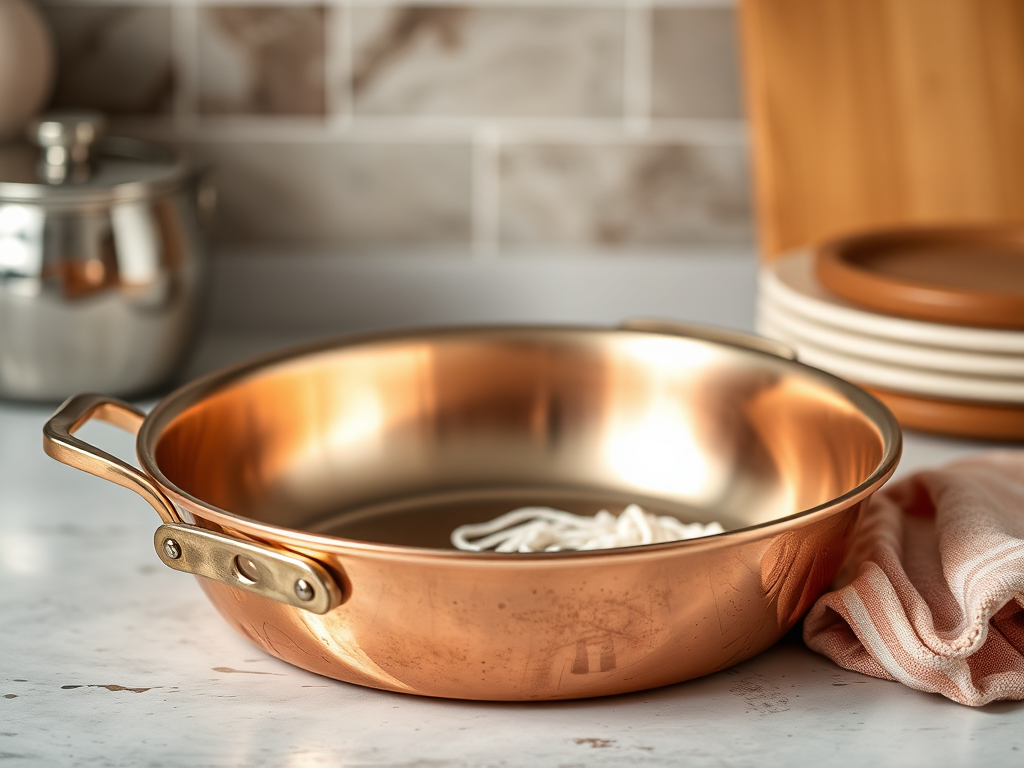
How to clean and care for copper cookware depends on protecting its lining while removing tarnish from the exterior: wash the pan by hand with mild dish soap, dry it immediately, and polish bare copper with a gentle acidic paste only when needed. Avoid steel wool, abrasive powders, harsh oven cleaners, and sudden temperature changes, which can scratch surfaces or stress a lining. Copper cookware usually has a stainless-steel or tin interior, so never polish the cooking surface as though it were exposed copper. Check for worn, blistered, or heavily scratched lining before use, and follow the maker’s instructions for dishwasher use, polishing products, and relining.
Identify The Surface Before Cleaning
Copper cookware is not cleaned as a single material because the outside and inside may have different finishes. The polished exterior is often exposed copper, while the cooking surface is commonly lined with stainless steel or tin. Handles, rivets, rims, and decorative details may introduce additional materials that react differently to moisture and chemicals.
That distinction determines which products belong on each area. A soft sponge and diluted dish soap are generally suitable for routine washing, but an abrasive copper polish intended for the exterior should not be spread across a tin or stainless-steel interior. Tin is relatively soft and can wear through aggressive scrubbing; stainless steel tolerates more abrasion but can still develop scratches that trap residue.
Some suggestions to consider!
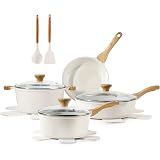


SENSARTE Nonstick Ceramic Cookware Set, 13-pcs Non-toxic Pots and Pans Set | Healthy Kitchen Cooking Set with Stay-Cool Handles, Silicone Tools and Pot Protectors, PFAS Free
$65.95 (as of August 30, 2026 18:30 GMT +00:00 - More infoProduct prices and availability are accurate as of the date/time indicated and are subject to change. Any price and availability information displayed on [relevant Amazon Site(s), as applicable] at the time of purchase will apply to the purchase of this product.)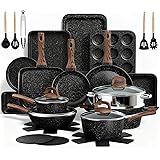
Now retrieving an image set.
Pots and Pans Set Non Stick, 31 Piece Kitchen Induction Cookware & Bakeware Set, Nonstick Kitchen Cooking Pans Set with Frying Pans Set Grill Pan Saucepan Baking Sheet & Utensils, PFOA Free
$109.99 (as of August 30, 2026 18:30 GMT +00:00 - More infoProduct prices and availability are accurate as of the date/time indicated and are subject to change. Any price and availability information displayed on [relevant Amazon Site(s), as applicable] at the time of purchase will apply to the purchase of this product.)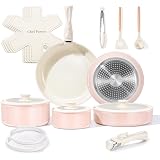
Now retrieving an image set.
Chef Power Ceramic Nonstick Pots and Pans Set 19 Piece with Detachable Handle, Induction Dishwasher Oven Safe Cookware Set, RV Kitchen Set Removable Handle (Light Pink)
$39.99 (as of August 30, 2026 18:30 GMT +00:00 - More infoProduct prices and availability are accurate as of the date/time indicated and are subject to change. Any price and availability information displayed on [relevant Amazon Site(s), as applicable] at the time of purchase will apply to the purchase of this product.)Look inside the pan before choosing a method. A silver-colored interior is often stainless steel, while a warm gray or slightly matte interior may be tin. The manufacturer’s care instructions are more reliable than color alone, especially on vintage pieces or cookware with a special coating. If the surface is unfamiliar, test any cleaner on a small, inconspicuous exterior area first.
A common mistake is treating darkening as proof that the pan is dirty. Bare copper naturally develops brown, purple, or nearly black oxidation as it contacts air, moisture, salts, and acidic ingredients. Tarnish affects appearance, not necessarily cooking function. Prioritize removing burnt food and grease from the cooking area; restore a mirror finish only when its appearance matters to you.
For cookware with a decorative exterior and a lined interior, keep two care approaches separate. The outside may occasionally need polishing, while the inside usually needs nothing more aggressive than ordinary washing. A useful internal reference is how to clean and care for copper cookware, but the pan’s own care label should take precedence.
A Safe Routine For Washing And Drying
Hand washing soon after cooking is the safest default for copper cookware. Let the pan cool until it is safe to handle, then remove loose food with a wooden, silicone, or plastic utensil. Fill it with warm water and a small amount of mild dish soap if residue has dried. Soaking softens starches and sauces; it is usually more effective than immediate forceful scrubbing.
Use a non-scratch sponge or soft cloth and work around the base, sides, rim, and handle joints. For stuck food, cover the residue with warm water and allow time for it to loosen. A short simmer of plain water may help with stubborn deposits, but avoid boiling a dry pan or scraping the surface with a knife. On a tin-lined interior, gentler pressure matters because gouges cannot be polished away like superficial exterior tarnish.
Rinse thoroughly and dry the pan immediately with a soft towel. Air-drying leaves mineral spots and extends the time that water remains against copper, which can accelerate spotting around the rim and rivets. Drying also reveals whether a greasy film remains: clean copper feels smooth rather than tacky, and a lined interior should not have cloudy patches caused by soap residue.
Dishwashers are a poor default for exposed copper. Strong detergents, prolonged heat, and contact with other items may dull the exterior or mark the finish. Even when a manufacturer permits dishwasher use for a particular model, hand washing gives better control. Do not stack wet pans together, and place a soft divider between pieces if their surfaces can rub.
When a saucepan has caramel or a dried sauce on the bottom, patience is preferable to a scouring pad. Warm water, mild soap, and repeated soaking usually preserve the finish better than one aggressive cleaning session. If residue remains, use a soft nylon brush only where the maker permits it, keeping hard pressure away from a soft lining.
Removing Tarnish Without Damaging Copper
Tarnish is a surface reaction, not a layer of ordinary cooking grease. Copper reacts with oxygen, humidity, salts, and acidic foods, so a frequently handled pan may darken faster around its sides and handles. Polishing can restore brightness, but it also removes a small amount of surface material and may alter a deliberately aged finish.
For light exterior tarnish, begin with warm water, mild soap, and a soft cloth. If the copper remains dull, a gentle paste made from a mild acid such as lemon juice or white vinegar and fine salt may loosen oxidation. Apply it only to exposed copper, rub lightly in the direction of the existing finish, rinse promptly, and dry completely. Salt should dissolve into the paste rather than being used as dry crystals that scratch the metal.
Commercial copper polish can be useful for heavily tarnished exteriors, but read its label carefully. Keep it away from the cooking surface, seams, porous handles, and any area the product does not identify as compatible. Remove all residue before the pan returns to the stove. A polish left near a rim can transfer to food or become gummy when heated.
Do not use steel wool, gritty scouring powders, coarse salt scrubs, chlorine bleach, or oven cleaner on copper cookware. These products can create visible scratches, discoloration, or chemical damage. Baking soda is often suggested as a universal cleaner, but its mild abrasiveness can dull a highly polished exterior and is unnecessary for routine washing.
The best polishing schedule is the least frequent one that meets your needs. A restaurant-style bright finish requires more attention than a home cook may want, while a naturally darkened exterior can be perfectly serviceable. If polishing produces uneven bright spots, stop and reassess rather than repeatedly rubbing the same area. The goal is a clean, stable surface, not constant cosmetic perfection.
Heat, Storage, And Lining Care
Good care continues after washing because copper responds quickly to heat. Preheat gradually, use a burner that matches the base, and avoid heating an empty pan on high for extended periods. Copper transfers heat efficiently, so moderate settings often provide more control than the high setting used with slower-heating materials.
Never move a hot copper pan directly into cold water. Thermal shock can warp the pan, stress soldered joints, or contribute to problems with a lining. Set it on a heat-safe surface and allow it to cool before washing. This is especially relevant after making sugar syrups, searing food, or using a pan on a burner larger than its base.
Tin-lined cookware needs particular attention. Tin can soften at temperatures above its working range and may wear when exposed to metal utensils or abrasive cleaning. Use wood, silicone, or other maker-approved tools. Small changes in color are not automatically damage, but exposed copper showing through the cooking surface, deep scratches, lifting, or bubbling warrants removing the pan from service until it is assessed or relined.
Stainless-steel lining is harder and more tolerant, yet it still benefits from moderate heat and nonmetal utensils when food is sticking. Sticking may result from excessive heat, insufficient preheating, or a residue film rather than a defective pan. Compare the interior with an undamaged area before assuming the lining has failed.
Store copper pieces completely dry with room for air circulation. Hanging them can reduce rubbing, but check that hooks do not mark a polished handle. If stacking is necessary, use clean felt or soft cloth separators and avoid placing a heavy pan inside a smaller one. A common storage failure is trapping moisture between nested pans, which can leave dull rings and encourage spotting.
When Cleaning Is Not Enough
Cleaning can remove food residue and oxidation, but it cannot repair structural damage or restore missing lining. Inspect the pan under good light after each deeper cleaning. Pay attention to the cooking surface, rim, rivets, soldered joints, and base. A loose handle, leaking seam, sharp metal edge, or large area of exposed copper inside the pan is a repair issue rather than a polishing issue.
Small exterior scratches are usually cosmetic, especially on cookware used regularly. Deep grooves that catch a fingernail, severe pitting, or a warped base deserve more caution because they may affect stability and cleaning. A pan that rocks on a flat surface is less predictable on the stove and may heat unevenly at the contact area.
Vintage copper deserves extra restraint. Older pieces may have thin tin linings, unknown solder, or finishes that were never designed for modern dishwasher detergents. Avoid aggressive restoration until you know what the pan is made of. A professional copperware restorer or the original manufacturer may be better placed to advise on relining, polishing, or handle repair.
Use this compact priority check before choosing a product:
- Food residue: soak with warm water and mild soap first.
- Exterior tarnish: polish exposed copper gently and only as often as needed.
- Interior wear: stop abrasive cleaning and inspect the lining.
- Loose, warped, or leaking parts: discontinue use until repaired.
Do not assume a shiny pan is a healthy pan or a dark pan is a damaged one. Appearance, surface integrity, and lining condition are separate questions. The most useful care decision is usually conservative: remove what affects cleanliness, leave stable patina alone, and seek repair when the cooking surface or structure is compromised. The same principle applies when consulting how to clean and care for copper cookware for a specific pan rather than applying a universal recipe.
For model-specific instructions, consult the cookware manufacturer’s care documentation, especially when the pan has a tin lining, lacquered exterior, unusual handle material, or a polished finish. Recognized copper cookware makers and professional restoration services can also provide guidance on relining and structural repairs that household cleaning products cannot address.
Frequently Asked Questions
Can copper cookware go in the dishwasher?
Hand washing is the safer default. Dishwasher detergents and heat may dull exposed copper, mark the finish, or damage other components; follow the manufacturer’s instructions if the pan is specifically rated for dishwasher use.
How often should copper cookware be polished?
Polish only when tarnish affects the appearance you want. Frequent polishing removes small amounts of surface material, so routine washing and drying should take priority over maintaining a constant mirror finish.
Can vinegar and salt clean copper pans?
A diluted vinegar-based paste may loosen light exterior tarnish, but apply it only to exposed copper, rub gently, rinse promptly, and dry well. Keep it off tin or stainless-steel cooking surfaces unless the manufacturer approves it.
Why is the inside of my copper pan turning gray?
A gray interior may be tin, normal discoloration, or a sign of wear, depending on the pan. Look for scratches, bubbling, lifting, or exposed copper and check the maker’s specifications before continuing to use it.
What should I use to remove burnt food?
Cool the pan, add warm water and mild dish soap, and let the residue soften before wiping with a non-scratch sponge. Avoid knives, steel wool, and aggressive powders, particularly on tin-lined cookware.
Further Reading
Authoritative Sources
- Academy of Nutrition and Dietetics
eatright.orgProfessional nutrition guidance, healthy eating resources, and practical dietitian-reviewed advice.
- U.S. Department of Agriculture
usda.govOfficial food, nutrition, agriculture, and consumer guidance from the USDA.
- NIH Office of Dietary Supplements
ods.od.nih.govResearch-based fact sheets on nutrients, supplements, dietary intake, and safety considerations.
- International Society of Sports Nutrition
sportsnutritionsociety.orgEvidence-informed sports nutrition resources and position stands for active people and athletes.
Conclusion
Proper copper cookware care is mostly a matter of matching the method to the surface. Wash by hand with mild soap, soften stuck food instead of scraping it, rinse thoroughly, and dry immediately. Treat exterior tarnish as a cosmetic choice rather than an emergency, using a gentle copper-safe polish only on exposed copper when you want a brighter finish. Protect the lining with moderate heat, suitable utensils, and gradual cooling, then inspect it regularly for scratches, bubbling, or exposed metal. Store each piece dry and separated from abrasive contact. When a pan leaks, warps, loses its lining, or develops structural damage, cleaning products are no longer the answer; professional assessment or replacement is the safer next step.