
Using natural cleaning agents can be particularly beneficial for those sensitive to chemicals found in commercial cleaners. Many people overlook the effectiveness of these common substances, often resorting to harsh chemicals that can damage cookware surfaces or leave harmful residues. Understanding the right combinations and techniques is crucial for optimal cleaning results.
Vinegar: The All-Purpose Cleaner
Vinegar is an excellent natural cleaner for cookware, particularly for removing hard water stains and grease. Its acidic nature helps dissolve mineral buildup and can be used on various surfaces, including stainless steel and ceramic.
To use vinegar effectively, heat a mixture of equal parts water and vinegar in your cookware. Allow it to simmer for a few minutes, then scrub gently with a non-abrasive sponge. This method is not only safe but also cost-effective, making it a go-to solution for many households.
Baking Soda: The Gentle Abrasive
Baking soda is a versatile ingredient known for its mild abrasiveness, making it ideal for scrubbing away stubborn stains and burnt-on food. It is safe for most cookware surfaces, including non-stick and enameled pots and pans.
Some suggestions to consider!
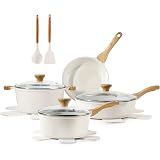


SENSARTE Nonstick Ceramic Cookware Set, 13-pcs Non-toxic Pots and Pans Set | Healthy Kitchen Cooking Set with Stay-Cool Handles, Silicone Tools and Pot Protectors, PFAS Free
$65.95 (as of September 4, 2026 19:04 GMT +00:00 - More infoProduct prices and availability are accurate as of the date/time indicated and are subject to change. Any price and availability information displayed on [relevant Amazon Site(s), as applicable] at the time of purchase will apply to the purchase of this product.)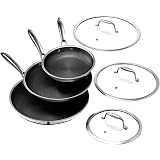
Now retrieving an image set.
HexClad 6pc Hybrid Nonstick Frying Pans Set with Lids, 8, 10 & 12" Pans | Stay-Cool Handles, Dishwasher and Oven Safe up to 900°F, Compatible with All Cooktops
$319.00 (as of September 4, 2026 18:34 GMT +00:00 - More infoProduct prices and availability are accurate as of the date/time indicated and are subject to change. Any price and availability information displayed on [relevant Amazon Site(s), as applicable] at the time of purchase will apply to the purchase of this product.)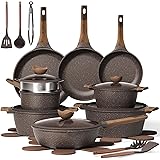
Now retrieving an image set.
CAROTE 26pcs Pots and Pans Set, Nonstick Cookware Sets | Induction Kitchen Cooking Set, Special Texture Design, Ultra Durable, Easy Food Release, Even Heating, with Frying Pans Set
$139.99 (as of September 4, 2026 18:34 GMT +00:00 - More infoProduct prices and availability are accurate as of the date/time indicated and are subject to change. Any price and availability information displayed on [relevant Amazon Site(s), as applicable] at the time of purchase will apply to the purchase of this product.)To clean with baking soda, create a paste by mixing it with a small amount of water. Apply the paste to the affected area and let it sit for about 15 minutes before scrubbing. Rinse thoroughly to remove any residue. This method is effective for restoring the shine to cookware and removing odors.
Lemon Juice: The Natural Degreaser
Lemon juice is not only a natural disinfectant but also an effective degreaser. Its acidity helps break down grease, making it easier to clean away food residue.
To utilize lemon juice, apply it directly to greasy areas or mix it with baking soda for added scrubbing power. Let it sit for a few minutes before wiping clean. This not only cleans but also leaves a fresh scent, enhancing your cooking experience.
Preventing Damage: Best Practices
While natural cleaning methods are effective, it’s essential to use them appropriately to avoid damage to your cookware. Avoid using abrasive materials that can scratch non-stick surfaces or delicate finishes.
Additionally, always rinse your cookware thoroughly after cleaning to ensure no cleaning agents remain. Regular maintenance, such as promptly cleaning spills and avoiding high heat on non-stick surfaces, can prolong the life of your cookware.
Further Reading
Authoritative Sources
- MedlinePlus
medlineplus.govConsumer-friendly medical and health information from the U.S. National Library of Medicine.
- National Institutes of Health
nih.govResearch-based health information and links to authoritative medical resources.
- Centers for Disease Control and Prevention
cdc.govOfficial public health guidance, prevention resources, and topic-specific recommendations.
- Mayo Clinic
mayoclinic.orgTrusted clinical guidance, symptom explainers, and treatment overviews.
- World Health Organization
who.intGlobal health guidance, fact sheets, and evidence-based public health information.
Frequently Asked Questions
Can I use vinegar on all types of cookware?
While vinegar is safe for most cookware, avoid using it on cast iron, as it can strip seasoning.
Is baking soda safe for non-stick cookware?
Yes, baking soda is safe for non-stick cookware when used gently to avoid scratches.
How often should I clean my cookware?
Clean cookware after each use to prevent buildup and maintain its longevity.
Can I mix lemon juice with vinegar for cleaning?
Mixing lemon juice and vinegar can enhance cleaning power but be cautious, as the combination may fizz.
What should I avoid when cleaning cookware?
Avoid abrasive sponges and harsh chemical cleaners that can damage surfaces.
Conclusion
Cleaning cookware naturally is a practical and effective approach that benefits both your health and the environment. By utilizing common household ingredients like vinegar, baking soda, and lemon juice, you can maintain your cookware’s integrity while ensuring it remains free of harmful chemicals. Prioritize regular maintenance and gentle cleaning techniques to extend the life of your kitchen essentials, making cooking a more enjoyable experience.