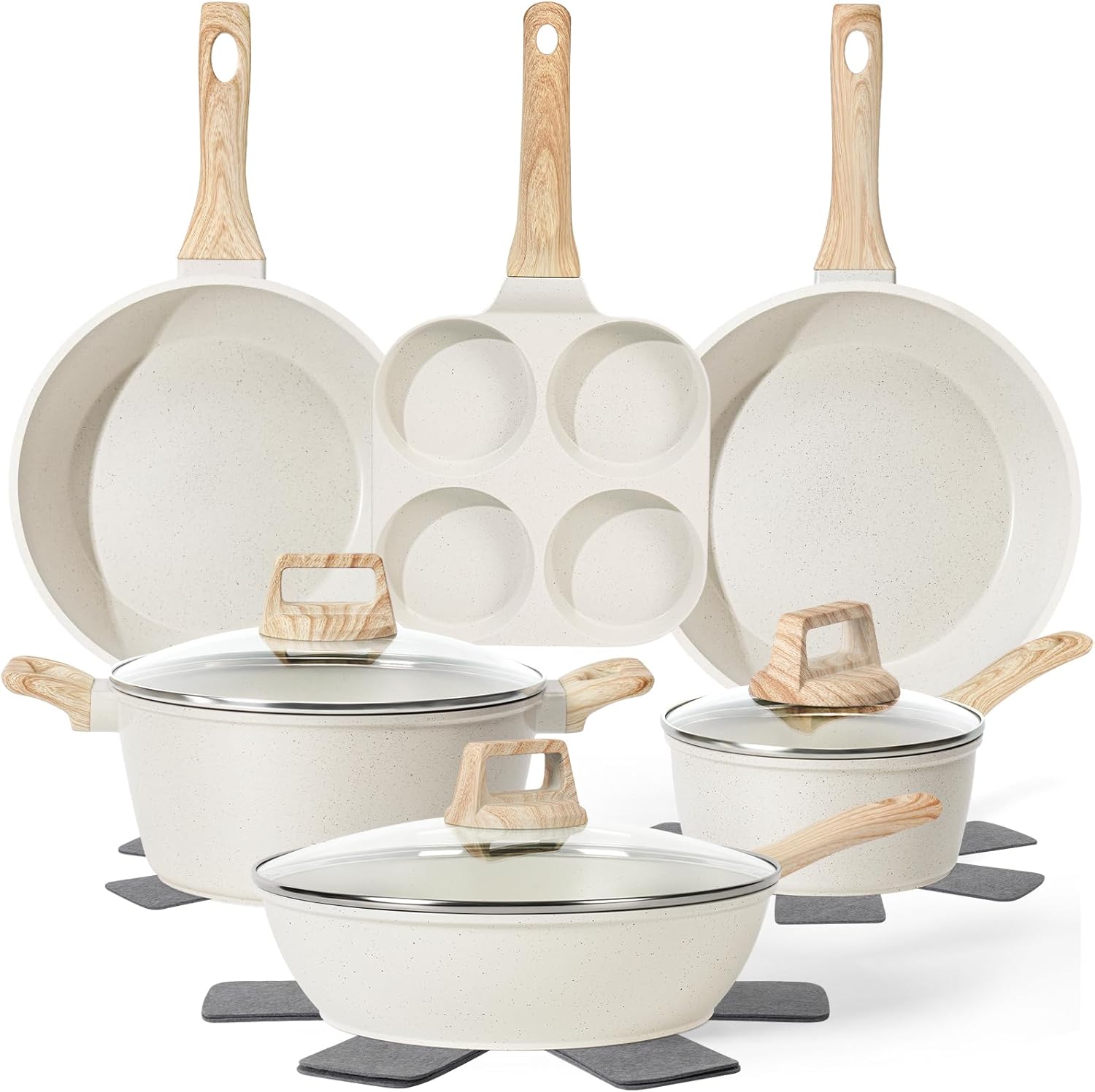
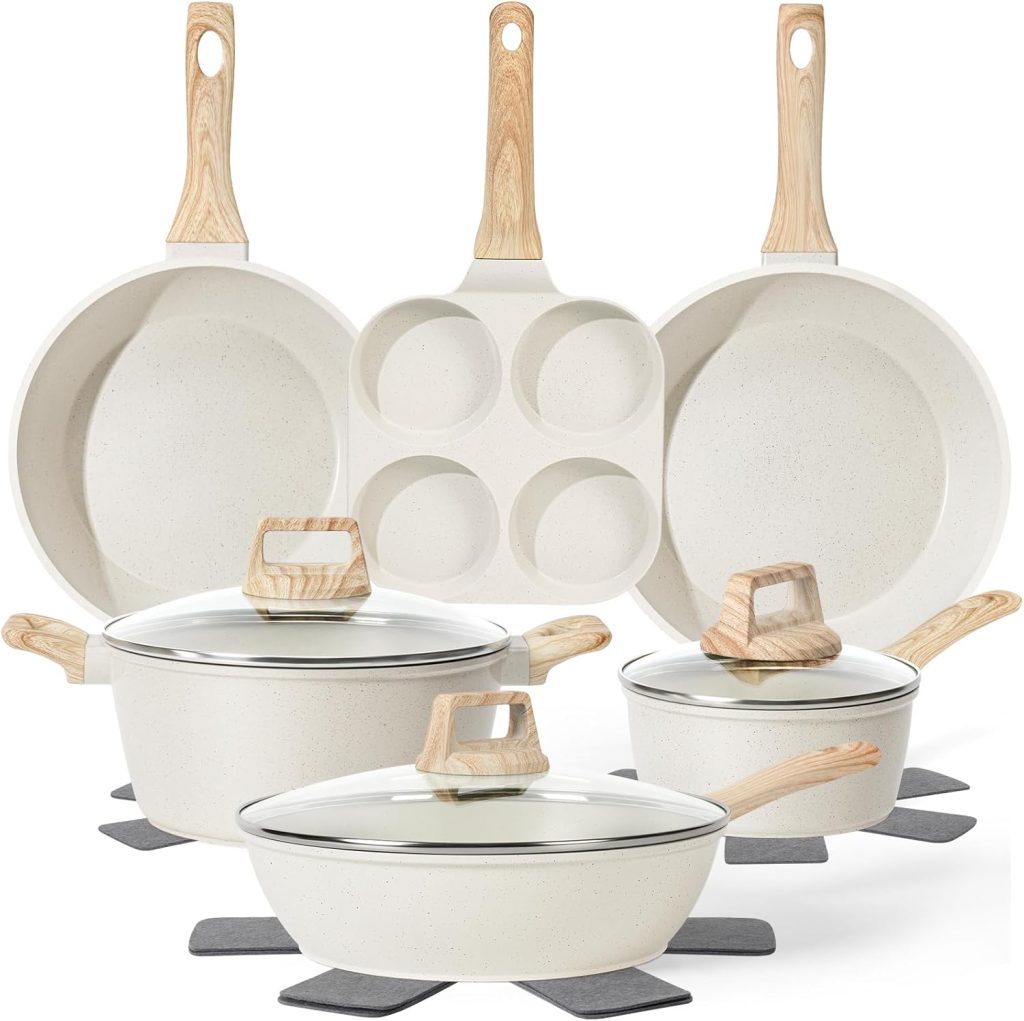
Understanding the causes of hot spots is essential for improving your cooking experience. Poor quality materials or warped surfaces can exacerbate the issue, while using the wrong size burner can lead to inefficient heating. For instance, a small pan on a large burner can create excessive heat around the edges, causing hot spots. Additionally, cooking on high heat settings can further intensify the problem, as it can lead to rapid temperature changes that the cookware may not handle well.
Materials and Construction of Cookware
The material and construction of cookware significantly influence heat distribution. For instance, cast iron and copper are known for their excellent heat conductivity, providing even cooking surfaces. In contrast, cheaper stainless steel or aluminum may not distribute heat as effectively, leading to hot spots. If you notice persistent hot spots, consider investing in higher-quality cookware that offers better temperature regulation.
When selecting cookware, look for options with a thick base or multi-ply construction, as these designs often enhance heat retention and distribution. Cookware with a solid core, such as stainless steel with an aluminum or copper core, can provide the best of both worlds—durability and optimal heat conduction.
Heating Techniques and Their Impact
The method of heating can also contribute to hot spots. Induction cooktops, for example, heat cookware directly, which can lead to more uniform cooking if matched correctly with the cookware’s material. However, traditional gas or electric stoves may create uneven heat if the burner size does not match the pan size.
Some suggestions to consider!


CAROTE 19pcs Pots and Pans Set Non Stick, Detachable Handle Cookware | Kitchen Cooking Sets, Space Saving, Dishwasher & Oven Safe, Non-Toxic, for Camping/RV/Traveling, Cream White
$59.99 (as of September 5, 2026 06:58 GMT +00:00 - More infoProduct prices and availability are accurate as of the date/time indicated and are subject to change. Any price and availability information displayed on [relevant Amazon Site(s), as applicable] at the time of purchase will apply to the purchase of this product.)
Now retrieving an image set.
SENSARTE Ceramic Cookware Sets, Pots and Pans Set Non stick, 14 Piece Induction Cookware, Non toxic Healthy Non Stick Kitchen Cooking Set, with Frying Pans Set, PFAS PTFE PFOA PFOS Free
$74.99 (as of September 4, 2026 18:34 GMT +00:00 - More infoProduct prices and availability are accurate as of the date/time indicated and are subject to change. Any price and availability information displayed on [relevant Amazon Site(s), as applicable] at the time of purchase will apply to the purchase of this product.)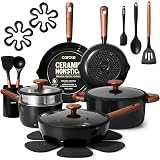
Now retrieving an image set.
CAROTE 21pcs Ceramic Cookware Set, Pots and Pans Set | Non-Toxic Healthy Cooking Set with Silicone Lids, Dishwasher Safe, Even Heating, with Steamer & Silicone Trivet, PFAS FREE
$79.98 (as of September 4, 2026 18:34 GMT +00:00 - More infoProduct prices and availability are accurate as of the date/time indicated and are subject to change. Any price and availability information displayed on [relevant Amazon Site(s), as applicable] at the time of purchase will apply to the purchase of this product.)To optimize heating, always match the burner size to the cookware. Using a small pan on a large burner can cause the edges to heat excessively while the center remains cool. Additionally, avoid cranking up the heat unnecessarily; instead, start on medium heat and adjust as needed to achieve even cooking.
Common Mistakes to Avoid
Several common mistakes can lead to cookware developing hot spots. One frequent error is preheating cookware on high heat, which can warp the material and compromise its ability to distribute heat evenly. Another mistake is overcrowding the pan, which prevents proper heat circulation and can exacerbate hot spots.
To minimize these issues, preheat your cookware gradually and avoid overloading it. Allowing enough space for food to cook evenly can help ensure that heat is distributed across the entire surface.
How to Solve Hot Spot Issues
To address hot spot problems, start by examining your cookware for signs of warping or damage. If your pans are warped, it may be time to replace them. Additionally, consider using heat diffusers, which can help distribute heat more evenly across the surface of the cookware.
Another effective solution is to adjust your cooking techniques. Stirring food frequently can help prevent hot spots, as it encourages even cooking. Using lids can also trap heat and moisture, reducing temperature fluctuations and promoting uniform cooking.
Further Reading
Authoritative Sources
- Investopedia
investopedia.comClear explanations of investing, finance, markets, and personal money decisions.
- SEC Investor Resources
sec.govOfficial investor education and securities-related guidance from the U.S. Securities and Exchange Commission.
- Internal Revenue Service
irs.govOfficial tax guidance, forms, and compliance information.
- Consumer Financial Protection Bureau
consumerfinance.govConsumer guidance on credit, debt, lending, and financial products.
- U.S. Small Business Administration
sba.govBusiness planning, funding, and operational guidance for small businesses.
Frequently Asked Questions
What are hot spots in cookware?
Hot spots are areas on cookware that heat unevenly, leading to inconsistent cooking results.
How can I prevent hot spots when cooking?
Prevent hot spots by using high-quality cookware, matching burner sizes to pans, and avoiding high heat settings.
Is it normal for cookware to have hot spots?
While some hot spots are common, excessive hot spots may indicate poor cookware quality or damage.
Can I fix warped cookware?
Warped cookware is often difficult to fix; replacing it is usually the best option for optimal performance.
What type of cookware is best to avoid hot spots?
Cookware made from copper or heavy-gauge stainless steel tends to distribute heat more evenly and minimize hot spots.
Conclusion
Hot spots in cookware can significantly affect your cooking outcomes, leading to unevenly cooked meals. By understanding the causes, such as material quality and heating methods, you can take proactive steps to mitigate these issues. Invest in quality cookware, match your burner size, and adjust your cooking techniques to achieve better heat distribution. Doing so will enhance your cooking experience and ensure more consistent results.