
Key Takeaway: The average price range for high-end cookware sets typically falls between $500 and $2,500. These sets often feature premium materials like stainless steel, copper, or cast iron, and include multiple pieces for various cooking needs. Prices can vary based on brand, material quality, and the number of pieces included. Investing in high-end cookware usually ensures durability, superior heat distribution, and enhanced cooking performance.
Article Guide
- Understanding the Cost of Nice Cookware Sets
- Factors Influencing the Price of Cookware Sets
- Material Types and Their Cost Implications
- Brand Reputation and Its Impact on Pricing
- Set Size and Its Effect on Cost
- Additional Features That Drive Up Costs
- Cost-Saving Tips When Buying Nice Cookware Sets
- Long-Term Value Versus Initial Cost
- Conclusion: Making an Informed Investment in Cookware
- Other Questions People Ask
- What is the average cost of high-quality cookware?
- Are expensive pots and pans worth the investment?
- How does the cost of non-stick cookware compare to stainless steel or cast iron?
Understanding the Cost of Nice Cookware Sets
The cost of nice cookware sets can be a significant investment, often reflecting the quality of materials and craftsmanship that go into each piece. High-end options, crafted from stainless steel, copper, or cast iron, typically range from $500 to $2,500, depending on the brand and the number of items included. These sets promise not only durability but also superior heat distribution and cooking performance that can elevate any culinary experience. While the upfront expense might seem steep, many home chefs find that the longevity and efficiency of premium cookware justify the price.
Factors Influencing the Price of Cookware Sets
The cost of cookware sets varies widely based on several key factors. Recognizing these can help you identify what features are worth investing in and where you might save. Here are some of the most significant considerations:
- Material Quality: The primary determinant of price is often the material used. High-end materials like stainless steel with layered construction, copper, or cast iron tend to be more expensive but offer superior heat conduction and durability. For example, a 10-piece stainless steel set with layered aluminum core can cost between $200 and $500, whereas basic non-stick sets may be available for under $100.
- Brand Reputation: Established brands such as All-Clad, Le Creuset, and Mauviel have built reputations for quality craftsmanship and longevity. Their cookware sets often come with premium pricing, sometimes exceeding $1,000 for comprehensive collections. Lesser-known brands may offer similar materials at lower prices but might lack the same durability or warranty support.
- Set Size and Composition: Larger sets with multiple pots, pans, lids, and specialty pieces naturally cost more. A basic 3-piece set might start around $50, while a comprehensive 15-piece set with various sizes and types can range from $300 to over $1,000.
- Construction and Design Features: Features like triple-layered bases for even heat distribution, ergonomic handles, oven-safe materials, and non-stick coatings influence price. For instance, cookware with a tri-ply construction (stainless steel-aluminum-stainless steel) ensures better heat conduction but adds to manufacturing costs.
- Included Accessories and Extras: Some sets come with lids, utensils, steamer inserts, or recipe books. These extras can add value but also increase the overall price.
Material Types and Their Cost Implications
The choice of material is one of the most critical factors affecting cookware set prices. Each material offers unique benefits and drawbacks:
Some suggestions to consider!
Now retrieving an image set.
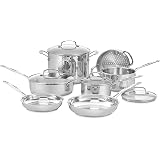
Cuisinart Chef's Classic Stainless Steel Pots and Pans Set, 11 pc, 77-11G | Induction cookware compatible with all stovetops, tri-ply base, cool-grip handles, nontoxic cookware set, oven safe 550°F
$170.30 (as of October 18, 2026 19:14 GMT +00:00 - More infoProduct prices and availability are accurate as of the date/time indicated and are subject to change. Any price and availability information displayed on [relevant Amazon Site(s), as applicable] at the time of purchase will apply to the purchase of this product.)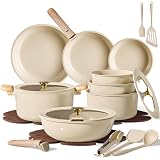
Now retrieving an image set.
CAROTE 25pcs Ceramic Cookware Set, Pots and Pans Set with Detachable Handle | Non-Stick, Non-Toxic, PFAS Free, Induction Compatible, Dishwasher & Oven Safe, Kitchen Organization, for Camping/RV/Gifts
$119.99 (as of October 18, 2026 19:14 GMT +00:00 - More infoProduct prices and availability are accurate as of the date/time indicated and are subject to change. Any price and availability information displayed on [relevant Amazon Site(s), as applicable] at the time of purchase will apply to the purchase of this product.)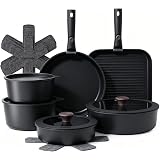
Now retrieving an image set.
SENSARTE 17 Piece Nonstick Detachable Handle Pots and Pans Set Black | Removable Handle Cookware Set, Induction Cookware Set with Removable Handle, Healthy Non Stick for RV, Dishwasher & Oven Safe
$79.99 (as of October 18, 2026 19:14 GMT +00:00 - More infoProduct prices and availability are accurate as of the date/time indicated and are subject to change. Any price and availability information displayed on [relevant Amazon Site(s), as applicable] at the time of purchase will apply to the purchase of this product.)- Stainless Steel: Known for its durability, resistance to rust and staining, and sleek appearance. High-quality stainless steel sets with layered aluminum cores for even heating typically range from $150 to $600. For example, All-Clad’s D3 line is highly regarded but commands premium prices due to its construction quality.
- Copper: Excellent heat conduction makes copper cookware highly responsive but also expensive. A copper set can easily cost over $1,000. Brands like Mauviel offer professional-grade copper sets that are favored by chefs for their precision cooking capabilities.
- Cast Iron: Known for its exceptional heat retention and versatility, cast iron cookware is often more affordable initially but requires maintenance (seasoning). A good cast iron skillet can cost around $20 to $50, while enameled cast iron sets from Le Creuset or Staub can range from $300 to over $700 for larger collections.
- Non-Stick Coatings: Typically made with PTFE or ceramic compounds, non-stick cookware is popular for ease of use and cleaning. Sets with durable non-stick coatings tend to be priced between $50 and $300 depending on brand and coating quality.
Brand Reputation and Its Impact on Pricing
The brand behind your cookware significantly influences its price point. Premium brands invest heavily in quality control, innovative design, and customer service. For example:
- All-Clad: Renowned for its tri-ply stainless steel construction, All-Clad offers sets that last decades and perform consistently. Their prices reflect this quality, with complete sets often exceeding $1,000.
- Le Creuset: Famous for enameled cast iron cookware, Le Creuset’s products are both functional and stylish. Their sets can range from $500 to over $2,000 depending on size and components.
- Mauviel: A French brand specializing in copper cookware, Mauviel’s products are considered professional-grade and command high prices due to craftsmanship and material quality.
- Budget Brands: Brands like T-fal or Cuisinart offer affordable options that are suitable for casual cooks but may lack the longevity or performance of premium brands.
Set Size and Its Effect on Cost
The number of pieces included in a cookware set directly correlates with its price. Smaller starter sets with essential pots and pans might be priced around $50-$150. Larger, comprehensive collections with multiple sizes, specialty pieces like sauté pans or stockpots, and accessories can easily reach into the thousands.
For example:
- A basic 3-piece stainless steel set (e.g., small saucepan, frying pan, stockpot) might cost around $70.
- A mid-range 10-piece set including various pots, pans, lids, and utensils could be priced between $200 and $500.
- A professional-grade 15-piece set from a premium brand like All-Clad or Le Creuset might cost between $800 and $2,000 or more.
Additional Features That Drive Up Costs
Modern cookware often includes features designed to improve cooking performance or convenience:
- Triple-Layered Bases: Ensures even heat distribution across the cooking surface. Sets with this feature tend to be more expensive but prevent hot spots that can burn food.
- Oven-Safe Handles and Materials: Allows cookware to transition seamlessly from stovetop to oven. This feature adds to manufacturing costs but offers greater versatility.
- Non-Stick Coatings: Durable coatings like ceramic or PTFE increase the price but make cooking and cleaning easier.
- Ergonomic Design: Handles designed for comfort and safety may add to production costs but improve user experience significantly.
Cost-Saving Tips When Buying Nice Cookware Sets
While investing in quality cookware is worthwhile, there are strategies to maximize value without overspending:
- Prioritize Your Needs: Focus on essential pieces first—such as a frying pan, saucepan, and stockpot—before expanding your collection.
- Look for Sales and Discounts: Major retailers often discount high-end brands during holiday sales or clearance events. Signing up for newsletters can alert you to deals.
- Consider Multi-Functional Pieces: Items like Dutch ovens or multi-purpose skillets can replace several individual pieces, saving money in the long run.
- Buy Sets Versus Individual Pieces: Sometimes purchasing a set offers better value than buying pieces separately, especially during promotional periods.
- Check Warranty and Customer Support: Investing in brands that offer extensive warranties can save money on replacements or repairs over time.
Long-Term Value Versus Initial Cost
When evaluating the price of a cookware set, consider its longevity and performance. High-quality cookware may have a higher upfront cost but can last decades if properly maintained. For example:
- A well-made stainless steel set from All-Clad can serve multiple generations if cared for properly.
- Copper cookware from Mauviel offers precise temperature control suitable for delicate sauces or caramelization—justifying its premium price through superior results.
- Enameled cast iron from Le Creuset provides excellent heat retention for slow-cooking stews or roasting meats over many years.
Conclusion: Making an Informed Investment in Cookware
The true cost of nice cookware sets extends beyond their initial purchase price. By understanding the factors that influence pricing—such as material quality, brand reputation, set size, features, and long-term durability—you can make smarter choices that align with your cooking style and budget. Remember that investing in high-quality cookware not only enhances your culinary experience but also provides reliable performance over many years. Whether you opt for a premium stainless steel set from All-Clad or a versatile enameled cast iron collection from Le Creuset, choosing wisely ensures your investment pays off in delicious meals and lasting satisfaction.
Popular Questions
What is the average cost of high-quality cookware?
The best way to improve Understanding the Cost of Nice Cookware Sets is to define one clear objective, identify the main obstacle, and make one targeted change at a time. Focus on the basics first, measure the result, and avoid broad resets until you know what actually caused the improvement. In most situations, consistent small corrections outperform dramatic overhauls because they make the process easier to test and repeat. That gives you a more reliable path to stronger long-term results.
Are expensive pots and pans worth the investment?
Expensive cookware is often worth the investment because it tends to be made from superior materials that last longer and distribute heat more evenly. High-end cookware also often features better construction, which can improve cooking results and reduce the need for replacement. However, it’s important to choose pieces that suit your cooking style and needs.
How does the cost of non-stick cookware compare to stainless steel or cast iron?
The best way to improve Understanding the Cost of Nice Cookware Sets is to define one clear objective, identify the main obstacle, and make one targeted change at a time. Focus on the basics first, measure the result, and avoid broad resets until you know what actually caused the improvement. In most situations, consistent small corrections outperform dramatic overhauls because they make the process easier to test and repeat. That gives you a more reliable path to stronger long-term results.