
Quick Summary: The price of quality cookware is influenced by the materials used, such as stainless steel, cast iron, or non-stick coatings, which affect durability and performance. Brand reputation and manufacturing quality also play a significant role, with well-known brands often charging higher prices. Additionally, features like advanced heat distribution, ergonomic design, and special coatings can increase costs. In closing, production scale and sourcing of premium materials contribute to the overall price of high-quality cookware.
Table of Contents
- Factors That Influence the Cost of Quality Cookware
- Material Composition and Its Impact on Price
- Brand Reputation and Its Effect on Pricing
- Manufacturing Processes and Craftsmanship
- Additional Features and Design Elements
- Durability and Longevity as Cost Factors
- Maintenance Requirements and Long-Term Costs
- Market Trends and Consumer Preferences
- Conclusion: Making an Informed Investment
- Important Questions and Answers
- What is the average cost of high-quality cookware?
- How does the price of non-stick cookware compare to stainless steel or cast iron?
- Are expensive cookware sets worth the investment?
Factors That Influence the Cost of Quality Cookware
The cost of nice cookware can vary dramatically, often reflecting the intricate craftsmanship and premium materials that go into each piece. A gleaming stainless steel pan with a reputation for even heat distribution might command a higher price, while a cast iron skillet with a seasoned patina can be surprisingly affordable yet durable. Brand prestige and manufacturing standards also influence the sticker price, with established names often charging more for their trusted quality. Subtle design features like ergonomic handles or advanced non-stick coatings further push the expense upward, making the investment in quality cookware a reflection of both performance and prestige.
When it comes to investing in cookware, understanding the factors that influence its cost is essential for making informed decisions. Quality cookware can range from affordable essentials to high-end, professional-grade sets that can cost hundreds or even thousands of dollars. Several key elements determine the price of cookware, including materials, brand reputation, manufacturing processes, and additional features. By exploring these factors in detail, you can better assess what to look for based on your cooking needs and budget.
Material Composition and Its Impact on Price
The primary factor influencing cookware cost is the material used in its construction. Different materials offer varying levels of durability, heat conduction, maintenance requirements, and aesthetic appeal, all of which affect the price.
Some suggestions to consider!
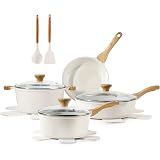


SENSARTE Nonstick Ceramic Cookware Set, 13-pcs Non-toxic Pots and Pans Set | Healthy Kitchen Cooking Set with Stay-Cool Handles, Silicone Tools and Pot Protectors, PFAS Free
$65.94 (as of October 18, 2026 19:14 GMT +00:00 - More infoProduct prices and availability are accurate as of the date/time indicated and are subject to change. Any price and availability information displayed on [relevant Amazon Site(s), as applicable] at the time of purchase will apply to the purchase of this product.)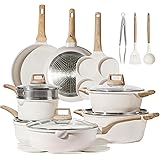
Now retrieving an image set.
CAROTE 21pcs Pots and Pans Set, Nonstick Cookware Sets, with Egg Pan | Induction Kitchen Cooking Set, Durable, Easy Food Release, Fast & Even Heating, with Frying Pan
$129.98 (as of October 18, 2026 19:14 GMT +00:00 - More infoProduct prices and availability are accurate as of the date/time indicated and are subject to change. Any price and availability information displayed on [relevant Amazon Site(s), as applicable] at the time of purchase will apply to the purchase of this product.)
Now retrieving an image set.
Calphalon Classic Stainless Steel Cookware Set, 10-Piece, Impact-Bonded Aluminum Base, Stay-Cool Handles, Oven Safe 450F, Silver
$189.00 (as of October 18, 2026 19:14 GMT +00:00 - More infoProduct prices and availability are accurate as of the date/time indicated and are subject to change. Any price and availability information displayed on [relevant Amazon Site(s), as applicable] at the time of purchase will apply to the purchase of this product.)- Stainless Steel: Known for its durability and resistance to rust and staining, stainless steel cookware is a popular choice among both home cooks and professional chefs. High-quality stainless steel with layered bases (such as tri-ply or five-ply construction) enhances heat distribution but increases manufacturing costs. For example, a 10-piece tri-ply stainless steel set from a reputable brand can cost between $200 and $600.
- Cast Iron: Renowned for excellent heat retention and versatility, cast iron cookware can be quite affordable initially but requires maintenance to prevent rust. Enamel-coated cast iron, like Le Creuset or Staub, offers easier cleaning and added aesthetic appeal but commands a premium price—often over $300 for a Dutch oven.
- Copper: Copper cookware provides superior heat conductivity, allowing precise temperature control. However, copper is expensive due to the cost of raw materials and the labor-intensive manufacturing process. A high-quality copper saucepan can easily exceed $150, with full sets costing several thousand dollars.
- Non-Stick Coatings: Non-stick pans are popular for their ease of use and cleaning. The quality of non-stick coatings varies widely; premium brands use durable PTFE or ceramic coatings that last longer but increase the price. A good non-stick skillet might cost between $30 and $100, depending on size and brand.
Brand Reputation and Its Effect on Pricing
The brand behind the cookware significantly influences its cost. Established brands with a history of quality, innovation, and customer satisfaction tend to charge higher prices. For example, brands like All-Clad, Le Creuset, and Mauviel are known for their craftsmanship and longevity, often commanding premium prices.
While lesser-known brands may offer similar features at lower prices, they might lack the same level of durability or customer support. Investing in reputable brands often ensures better warranty coverage, product support, and resale value. For instance, a set from All-Clad can range from $400 to over $1,000, reflecting its reputation for professional-grade performance.
Manufacturing Processes and Craftsmanship
The techniques used during manufacturing also impact the final cost of cookware. Handcrafted or artisanal cookware typically commands higher prices due to the labor-intensive processes involved.
- Hand-Hammered Cookware: Some high-end brands produce hand-hammered copper or stainless steel pieces, which require skilled artisans to shape each item individually. This craftsmanship adds to the cost but results in unique, durable products with superior heat properties.
- Machine-Made vs. Handcrafted: Mass-produced cookware benefits from economies of scale, making it more affordable. However, handcrafted items often feature superior attention to detail, better material quality, and a higher level of customization—factors that drive up their price.
Additional Features and Design Elements
Extra features can also influence the price of cookware. These include ergonomic handles, glass lids for monitoring cooking progress, compatibility with induction cooktops, and aesthetic design elements.
- Ergonomic Handles: Handles designed for comfort and safety often involve additional manufacturing costs but improve usability significantly.
- Glass Lids: Transparent lids allow cooks to check on their food without lifting the lid, which helps maintain consistent temperatures. High-quality glass lids with silicone rims or stainless steel handles tend to be more durable and expensive.
- Induction Compatibility: Cookware designed for induction stoves requires magnetic bases, which can increase manufacturing complexity and cost.
- Aesthetic Design: Stylish finishes, color options, and decorative elements add visual appeal but also contribute to higher prices. Brands like Le Creuset are renowned for their vibrant enameled finishes that combine function with form.
Durability and Longevity as Cost Factors
Investing in durable cookware may seem costly upfront but can save money over time by reducing replacement frequency. High-quality materials like layered stainless steel or enameled cast iron resist warping, staining, and corrosion better than cheaper alternatives.
For example, a well-made cast iron skillet can last for generations if properly maintained, making it a cost-effective choice in the long run despite its initial expense. Conversely, cheaper non-stick pans may need replacing after a year or two due to coating degradation.
Maintenance Requirements and Long-Term Costs
The ease of cleaning and maintenance also influences overall costs. Non-stick cookware requires gentle cleaning to preserve coatings but may need replacement sooner if coatings wear out. Cast iron needs seasoning and careful cleaning but offers unmatched durability.
High-end cookware often comes with comprehensive warranties that cover repairs or replacements if products fail prematurely. These warranties add value but may also be reflected in the initial purchase price.
Market Trends and Consumer Preferences
The popularity of certain materials or brands can drive prices upward due to demand. For instance, the resurgence of copper cookware in modern kitchens has led to increased prices for authentic copper pieces. Similarly, eco-friendly or non-toxic coatings are becoming more sought after, often at a premium.
Consumers increasingly prioritize sustainability and ethical manufacturing practices, which can also influence costs. Brands that source materials responsibly or produce environmentally friendly cookware may charge higher prices due to these commitments.
Conclusion: Making an Informed Investment
Understanding these factors helps you make smarter choices when purchasing cookware. Consider your cooking style—whether you need durable everyday pots or specialized pieces—and balance features with your budget. Remember that investing in high-quality cookware can pay off through enhanced cooking performance, longevity, and safety.
For example, if you frequently cook stews or roasts, a high-end enameled cast iron Dutch oven might be worth the investment. Conversely, for quick meals or beginner cooking, more affordable stainless steel or non-stick pans may suffice.
Ultimately, the right cookware depends on your specific needs, preferences, and financial considerations. By evaluating material quality, brand reputation, craftsmanship, features, and long-term costs, you can select pieces that offer the best value for your kitchen.
Popular Questions
What is the average cost of high-quality cookware?
The best way to improve Factors That Influence the Cost of Quality Cookware is to define one clear objective, identify the main obstacle, and make one targeted change at a time. Focus on the basics first, measure the result, and avoid broad resets until you know what actually caused the improvement. In most situations, consistent small corrections outperform dramatic overhauls because they make the process easier to test and repeat. That gives you a more reliable path to stronger long-term results.
How does the price of non-stick cookware compare to stainless steel or cast iron?
The best way to improve Factors That Influence the Cost of Quality Cookware is to define one clear objective, identify the main obstacle, and make one targeted change at a time. Focus on the basics first, measure the result, and avoid broad resets until you know what actually caused the improvement. In most situations, consistent small corrections outperform dramatic overhauls because they make the process easier to test and repeat. That gives you a more reliable path to stronger long-term results.
Are expensive cookware sets worth the investment?
Expensive cookware sets are often made from higher-quality materials that offer better heat retention and longevity. While the initial cost is higher, they can last for many years with proper care, potentially saving money in the long run. For professional chefs or avid home cooks, investing in quality cookware can improve cooking results and overall satisfaction.