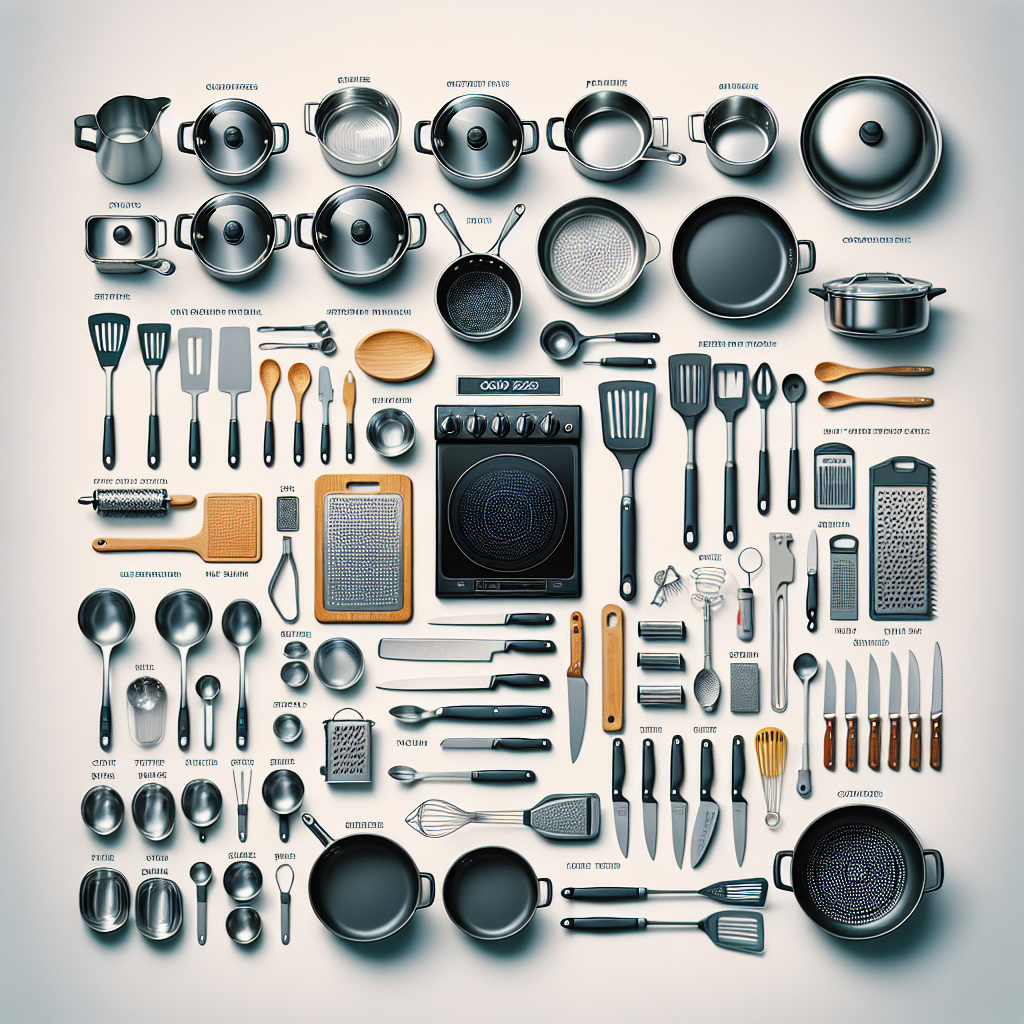
Some suggestions to consider!
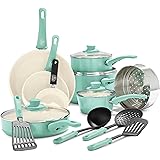


GreenLife Soft Grip 16 Piece Cookware Set, Non-Toxic PFAS-Free Ceramic Nonstick, Pots, Frying, Sauce, Saute, Glass Lids, Stay-Cool Handles, Wobble Free Bases, Dishwasher & Oven Safe, Turquoise
$69.99 (as of March 21, 2026 22:17 GMT +00:00 - More infoProduct prices and availability are accurate as of the date/time indicated and are subject to change. Any price and availability information displayed on [relevant Amazon Site(s), as applicable] at the time of purchase will apply to the purchase of this product.)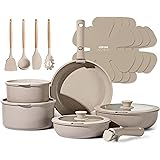


CAROTE 19pcs Pots and Pans Set Non Stick, Nonstick Cookware Set Detachable Handle, Induction Kitchen Cooking Sets with Removable Handle, RV Kitchen, Oven Safe, Taupe
$59.97 (as of March 22, 2026 08:22 GMT +00:00 - More infoProduct prices and availability are accurate as of the date/time indicated and are subject to change. Any price and availability information displayed on [relevant Amazon Site(s), as applicable] at the time of purchase will apply to the purchase of this product.)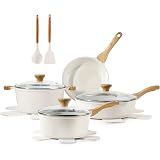


SENSARTE Nonstick Ceramic Cookware Set, 13-Piece Non-toxic Pots and Pans Set, Healthy Kitchen Cooking Set with Stay-Cool Handles, Silicone Tools and Pot Protectors, PFAS Free
$65.99 (as of March 22, 2026 07:22 GMT +00:00 - More infoProduct prices and availability are accurate as of the date/time indicated and are subject to change. Any price and availability information displayed on [relevant Amazon Site(s), as applicable] at the time of purchase will apply to the purchase of this product.)
Uncover the Truth: Why Nonstick Cookware Loses Its Coating
When you think about your kitchen essentials, nonstick cookware likely comes to mind. Its convenience has made it a staple in many households, but have you ever wondered why nonstick cookware loses its coating? Understanding this phenomenon is crucial for anyone looking to maximize the lifespan of their cookware. There are several reasons behind this deterioration, and knowing them can help you make informed choices in the kitchen.
In this article, we’ll delve into why nonstick cookware loses its coating, exploring the underlying factors and practical strategies to prolong its usability. From improper usage to environmental factors, we’ll cover it all, ensuring you’re equipped with the knowledge to protect your investment in your kitchen.
Understanding Nonstick Cookware
This matters more than it seems because weak decisions here usually create bigger downstream problems. Nonstick cookware, designed to prevent food from sticking during cooking, typically features a coating made of polytetrafluoroethylene (PTFE), commonly known as Teflon. The appeal of these pans lies in their ability to provide a hassle-free cooking experience, requiring less oil and making cleanup a breeze. However, durability varies among brands and types, leading to questions about why nonstick cookware loses its coating.
To appreciate the lifespan of your nonstick pots and pans, it’s essential to understand how they are made. Most nonstick surfaces are created through a process of applying a polymer coating to a base material, typically aluminum. This coating can wear out over time due to several factors, which we’ll explore in the next section.
Common Causes: Why Nonstick Cookware Loses Its Coating
This matters more than it seems because weak decisions here usually create bigger downstream problems. Several factors contribute to the deterioration of nonstick coatings. Understanding these will help you avoid common pitfalls.
1. High Heat Exposure
This matters more than it seems because weak decisions here usually create bigger downstream problems.
Cooking on high heat is one of the leading causes of damaging nonstick coatings. Most nonstick cookware is designed for medium to low heat. When subjected to high temperatures, the coating can break down, leading to peeling or flaking.
– **Key Points:**
– Always use low to medium heat settings.
– Avoid preheating an empty nonstick pan.
– Check manufacturer guidelines for recommended cooking temperatures.
2. Metal Utensils
This matters more than it seems because weak decisions here usually create bigger downstream problems.
Using metal utensils on nonstick surfaces can scratch and damage the coating, resulting in a loss of its nonstick properties.
– **Best Practices:**
– Opt for silicone, wood, or plastic utensils.
– Avoid cutting food directly in the pan.
3. Improper Cleaning Techniques
This matters more than it seems because weak decisions here usually create bigger downstream problems.
Harsh cleaning methods, such as abrasive sponges or strong chemical cleaners, can wear down the nonstick surface over time.
– **Cleaning Tips:**
– Hand wash with warm, soapy water.
– Use non-abrasive sponges to protect the coating.
– Avoid the dishwasher unless specified by the manufacturer.
4. Age and Wear
This matters more than it seems because weak decisions here usually create bigger downstream problems.
Like any product, nonstick cookware has a lifespan. Over time, even with proper care, the coating can wear down due to regular use.
– **Signs of Aging:**
– Flaking or peeling coating.
– Difficulty in food release.
– Visible scratches.
How to Extend the Lifespan of Nonstick Cookware
This matters more than it seems because weak decisions here usually create bigger downstream problems. Now that we’ve discussed why nonstick cookware loses its coating, let’s explore ways to ensure your cookware lasts longer.
1. Use Appropriate Heat Levels
This matters more than it seems because weak decisions here usually create bigger downstream problems.
Always choose the right heat settings for your nonstick cookware. Stick to medium or low heat to preserve the integrity of the coating.
2. Invest in Quality Cookware
This matters more than it seems because weak decisions here usually create bigger downstream problems.
Not all nonstick pans are created equal. Investing in high–quality cookware can significantly enhance durability. Look for brands that emphasize durability and have a reputation for quality.
3. Proper Cooking Techniques
This matters more than it seems because weak decisions here usually create bigger downstream problems.
Consider using a little oil or butter even with nonstick cookware. This not only helps in cooking but also adds a layer of protection for the coating.
4. Store Carefully
This matters more than it seems because weak decisions here usually create bigger downstream problems.
When stacking pans, place a soft cloth or paper towel between them. This prevents scratches and keeps the coating intact.
Choosing the Right Nonstick Cookware
This matters more than it seems because weak decisions here usually create bigger downstream problems. When selecting nonstick cookware, consider the following factors to avoid issues related to why nonstick cookware loses its coating:
1. Material Matters
This matters more than it seems because weak decisions here usually create bigger downstream problems.
Opt for ceramic or hard-anodized aluminum for better durability. These materials often offer enhanced resistance to wear and tear.
2. Brand Reputation
This matters more than it seems because weak decisions here usually create bigger downstream problems.
Research brands that have positive reviews regarding their nonstick properties and longevity. Consumer feedback can provide valuable insights.
3. Price vs. Quality
This matters more than it seems because weak decisions here usually create bigger downstream problems.
While it might be tempting to go for cheaper options, investing in quality cookware can save you money in the long run by reducing the need for replacements.
References and Resources
This matters more than it seems because weak decisions here usually create bigger downstream problems.
These resources provide valuable information about Why Nonstick Cookware Loses Its Coating. Check them out for additional insights:
Authoritative Sources on Why Nonstick Cookware Loses Its Coating
-
U.S. Consumer Product Safety Commission
CPSC.govProvides safety information regarding cookware materials and usage guidelines.
-
Food Safety and Inspection Service
Foodsafety.govOffers insights into safe cooking practices, including cookware care.
-
National Institutes of Health
NIH.govResearch articles on the effects of cookware materials on health.
-
Consumer Reports
ConsumerReports.orgComprehensive reviews on various cookware brands and their performance.
-
Academy of Nutrition and Dietetics
Eatright.orgInformation on healthy cooking practices and cookware safety.
-
Environmental Protection Agency
EPA.govGuidelines on materials used in cookware and their environmental impact.
-
Healthline
Healthline.comArticles discussing the health implications of nonstick coatings.
-
Cook’s Illustrated
CooksIllustrated.comTesting and reviews of the best nonstick cookware on the market.
Frequently Asked Questions
Why does nonstick cookware lose its coating?
The primary reasons why nonstick cookware loses its coating include high heat exposure, using metal utensils, improper cleaning techniques, and the natural aging process of the cookware.
How can I prevent my nonstick cookware from losing its coating?
To extend the life of nonstick cookware, use medium heat settings, avoid metal utensils, and clean with non-abrasive materials. Storing them carefully can also help maintain their integrity.
What are the signs that my nonstick cookware needs to be replaced?
Common signs include visible scratches, peeling or flaking of the coating, and difficulty in food release. If your cookware shows these signs, it may be time for a replacement.
Is it safe to use damaged nonstick cookware?
Using damaged nonstick cookware is not recommended as it can release harmful particles into food. It’s best to replace cookware that has significant wear or damage.
What should I look for when buying nonstick cookware?
Look for high-quality materials, reputable brands, and reviews indicating durability and safety. Also, consider the type of nonstick coating used to ensure it fits your cooking style.
Conclusion
This matters more than it seems because weak decisions here usually create bigger downstream problems.
Understanding why nonstick cookware loses its coating is vital for anyone who wants to maintain their kitchen tools effectively. Key factors such as high heat exposure, improper cleaning, and age can significantly impact your cookware’s lifespan. By following best practices for care and selection, you can enjoy your nonstick cookware for years to come.
In closing, with the right knowledge and techniques, you can significantly enhance the durability of your nonstick cookware. So, next time you reach for that nonstick pan, remember these tips and insights to ensure it continues to serve you well. Happy cooking!
Find out more information about “Why Nonstick Cookware Loses Its Coating“
Search for more resources and information: