Instant Answer: You cannot use regular pots and pans on an induction stove unless they are made of or contain ferromagnetic material, such as cast iron or certain stainless steels. Induction stoves work by creating a magnetic field that heats cookware directly, so non-magnetic cookware like aluminum, copper, or glass will not work unless they have a magnetic base. To check if your current pots and pans are compatible, see if a magnet sticks to their bottom. If it does, they can be used on an induction stove; if not, you'll need to switch to compatible cookware.
Some suggestions to consider!
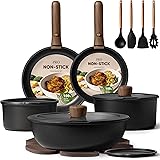


CAROTE 19pcs Pots and Pans Non Stick, Cookware Sets Detachable Handle, Induction Kitchen Pots and Pans,NonStick Cooking Set, Oven/Dishwasher/Fridge Safe, Space Saving
$59.99 (as of March 17, 2026 07:04 GMT +00:00 - More infoProduct prices and availability are accurate as of the date/time indicated and are subject to change. Any price and availability information displayed on [relevant Amazon Site(s), as applicable] at the time of purchase will apply to the purchase of this product.)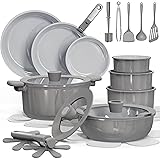


CAROTE 27pcs Ceramic Cookware Set Nonstick, Pots and Pans Set Non Stick, Non Toxic Cookware Detachable Handles, Dishwasher/Oven Safe, RV/Camping Cookware, Pan and Pot with Kitchen Utensils, Dark Gray
$112.99 (as of March 17, 2026 09:40 GMT +00:00 - More infoProduct prices and availability are accurate as of the date/time indicated and are subject to change. Any price and availability information displayed on [relevant Amazon Site(s), as applicable] at the time of purchase will apply to the purchase of this product.)


CAROTE 21pcs Pots and Pans Set, Nonstick Cookware Set Detachable Handle, Induction Kitchen Cookware Sets Non Stick with Removable Handle, RV Cookware Set, Gold and Purple
$99.99 (as of March 16, 2026 22:42 GMT +00:00 - More infoProduct prices and availability are accurate as of the date/time indicated and are subject to change. Any price and availability information displayed on [relevant Amazon Site(s), as applicable] at the time of purchase will apply to the purchase of this product.)

Table of Contents
- Understanding Which Cookware Works on Induction Stoves
- What Is Induction Cooking?
- Key Features of Induction-Compatible Cookware
- Materials That Work Well on Induction Stoves
- Materials That Do Not Work on Induction Stoves
- How to Test if Your Cookware Is Induction Compatible
- Choosing the Right Cookware for Your Needs
- Additional Tips for Induction Cookware Use
- The Future of Induction Cookware
- Conclusion
- Other Questions People Ask
- What is the best type of cookware for even heat distribution?
- How do I choose the right size of cookware for my needs?
- Are non-stick cookware safe to use regularly?
Understanding Which Cookware Works on Induction Stoves
Cooking on an induction stove transforms the kitchen experience with its rapid, precise heat, but it demands the right kind of cookware to perform at its best. Unlike traditional stovetops, induction relies on a magnetic field that heats cookware directly, meaning only pots and pans made of ferromagnetic materials will work efficiently. Cast iron and certain stainless steels are natural fits, while aluminum, copper, or glass need a magnetic base to be compatible. A simple magnet test can quickly reveal whether your current collection is induction-ready, turning your cookware choices into a straightforward decision rather than a guessing game.
What Is Induction Cooking?
Induction cooking is a modern method that uses electromagnetic fields to directly heat pots and pans. Unlike traditional gas or electric stoves that heat the cooktop surface, induction stoves generate a magnetic field that induces an electric current within ferromagnetic cookware. This process results in rapid heating, precise temperature control, and increased energy efficiency.
Because of this technology, only cookware made of ferromagnetic materials can be used effectively on induction stoves. Using incompatible cookware not only leads to poor heat transfer but can also damage the stove or cookware over time.
Key Features of Induction-Compatible Cookware
- Magnetic Base: The most critical feature is a magnetic or ferromagnetic base. This includes materials like cast iron and certain types of stainless steel.
- Flat Bottoms: Flat-bottomed cookware ensures maximum contact with the induction surface, promoting even heat distribution.
- Durability: Induction-compatible cookware often needs to withstand rapid heating and cooling cycles, so durability is essential.
- Material Composition: Cookware made from magnetic stainless steel, cast iron, or enameled cast iron typically works well.
Materials That Work Well on Induction Stoves
Understanding the specific materials that are compatible with induction stoves can help you make informed purchasing decisions. Here are some of the most common and effective materials:
Cast Iron
Cast iron cookware is one of the best options for induction cooking due to its high ferromagnetic properties. It heats evenly and retains heat remarkably well, making it ideal for slow-cooking stews, frying, and baking. Examples include traditional Dutch ovens and skillet pans. However, cast iron is heavy and requires proper maintenance to prevent rusting.
Stainless Steel
High-quality stainless steel cookware with a layered or clad base containing a magnetic core is compatible with induction stoves. Brands like All-Clad and Cuisinart offer stainless steel pots and pans designed specifically for induction cooking. These materials are durable, resistant to corrosion, and easy to clean. Be sure to check product labels for “induction compatible” tags.
Enameled Cast Iron
Enameled cast iron cookware combines the heat retention qualities of cast iron with a smooth enamel coating that prevents rusting and makes cleaning easier. Brands like Le Creuset and Staub produce enameled options suitable for induction stoves. They are excellent for braising, roasting, and simmering.
Magnetic Stainless Steel
This material is specifically engineered with a magnetic layer that ensures compatibility with induction surfaces. It offers a sleek appearance, resistance to staining, and excellent heat conduction when properly constructed.
Materials That Do Not Work on Induction Stoves
- Copper: Pure copper cookware is non-magnetic unless it has a magnetic base layer added during manufacturing.
- Aluminum: Aluminum by itself is non-magnetic and will not work unless it has a magnetic layer or base added.
- Ceramic and Glass: These materials are non-magnetic and cannot be used directly on induction stoves unless paired with a compatible ferromagnetic base.
How to Test if Your Cookware Is Induction Compatible
If you’re unsure whether your current pots and pans are suitable for induction cooking, there are simple tests you can perform:
- Magnet Test: Place a magnet on the bottom of your cookware. If it sticks firmly, your cookware is likely compatible with induction. If it doesn’t, it probably isn’t suitable.
- Check for Labels: Many manufacturers label their products as “induction compatible.” Look for this information on packaging or product descriptions.
- Consult Manufacturer Specifications: If in doubt, visit the manufacturer’s website or contact customer service for compatibility details.
Choosing the Right Cookware for Your Needs
When selecting cookware for induction stoves, consider your cooking style, budget, and maintenance preferences. For example:
- For Versatility: A set of stainless steel pots and pans with layered bases can handle a variety of cooking tasks from boiling to sautéing.
- For Heavy-Duty Use: Cast iron skillets and Dutch ovens are durable options that excel in slow-cooking and baking.
- For Easy Maintenance: Enameled cast iron offers the benefits of cast iron without the need for seasoning or rust prevention.
Additional Tips for Induction Cookware Use
- Avoid Dragging: Lift cookware instead of dragging it across the surface to prevent scratches.
- Use Flat-Bottomed Pans: Ensure cookware has a flat bottom for maximum contact with the induction surface, which improves efficiency and heat distribution.
- Match Sizes: Use pots and pans that match the size of the induction zone for optimal performance.
- Regular Cleaning: Keep the surface clean from food residues and debris to maintain good contact and prevent damage.
The Future of Induction Cookware
The evolution of induction technology continues to influence cookware design. Manufacturers are developing more lightweight, durable, and aesthetically appealing options that combine functionality with style. Innovations include ceramic-coated induction-compatible pans, eco-friendly materials, and smart cookware with built-in temperature sensors.
As energy efficiency becomes increasingly important globally, induction-compatible cookware will likely see continued growth in popularity. Consumers benefit from faster cooking times, precise temperature control, and reduced energy consumption—all while enjoying a broad range of stylish and durable cookware options.
Conclusion
Selecting the right cookware for your induction stove is essential for safe, efficient, and enjoyable cooking. Focus on materials like cast iron, magnetic stainless steel, or enameled cast iron that are proven to work well with induction technology. Always perform simple tests if you’re unsure about compatibility, and consider your specific cooking needs when choosing your set. With the right cookware in hand, you’ll unlock the full potential of your induction stove and elevate your culinary creations to new heights.
Other Questions People Ask
What is the best type of cookware for even heat distribution?
Cast iron and copper cookware are known for their excellent heat conduction and even heat distribution. These materials help prevent hot spots, ensuring your food cooks uniformly. Non-stick and stainless steel options can also distribute heat well, especially when used with proper heat settings.
How do I choose the right size of cookware for my needs?
Consider the number of people you typically cook for and the types of dishes you prepare. Smaller pots and pans are ideal for individual servings or small meals, while larger ones are better for family-sized portions or batch cooking. Measuring your stove and storage space can also help determine the appropriate sizes.
Are non-stick cookware safe to use regularly?
Non-stick cookware is generally safe when used properly, but concerns exist about the potential release of harmful chemicals at high temperatures. To maximize safety, avoid overheating non-stick pans and replace them if the coating becomes scratched or damaged. Using non-stick cookware for low to medium heat cooking is recommended.