
Quick Summary: Nice cookware typically costs significantly more than regular options, often due to higher-quality materials like stainless steel, copper, or cast iron. While the initial investment is higher, premium cookware tends to last longer, perform better, and require less replacement over time. Regular cookware may be more affordable upfront but can wear out quickly and may not provide the same cooking results. Overall, investing in nicer cookware can be more cost-effective in the long run due to durability and performance benefits.
Article Guide
- Make Costing an of Nice Cookware Work in Real Life
- Understanding the True Cost of Cookware
- Assessing Your Cooking Needs and Lifestyle
- Making Smart Purchasing Decisions
- Calculating the Cost-Per-Use
- Maintaining Your Cookware for Longevity
- Energy Efficiency and Cost Savings
- Long-Term Financial Planning for Cookware
- Conclusion: Turning Costing into an Advantage
- Frequently Asked Questions
- What is the average cost of high-quality cookware?
- Are expensive cookware sets worth the investment?
- How much should I expect to pay for a single high-end pan?
Make Costing an of Nice Cookware Work in Real Life
Investing in high-quality cookware often feels like a splurge at first glance, with prices that can make even seasoned cooks pause. Yet, the true value lies in the materials—gleaming stainless steel, rich copper, or sturdy cast iron—that promise longevity and superior heat distribution. While the initial expense is undeniably higher, these pieces tend to withstand the rigors of daily use far better than their cheaper counterparts, often lasting for decades. Over time, the durability and performance of nicer cookware can translate into savings, reducing the need for frequent replacements and delivering consistently better cooking results.
Understanding the True Cost of Cookware
When evaluating the price of nice cookware, it’s essential to look beyond the initial purchase price. The true cost includes factors such as durability, maintenance, energy efficiency, and how well the cookware suits your cooking style. For example, a high-quality cast iron skillet may seem expensive upfront but can last for decades with proper care, making it more cost-effective over time than cheaper, disposable alternatives.
Additionally, consider the materials used. Copper and stainless steel pans often come with higher price tags but offer superior heat conduction and longevity. Non-stick pans may be less expensive initially but can wear out faster and require replacement more frequently, increasing long-term costs.
Some suggestions to consider!

Now retrieving an image set.
SODAY Pots and Pans Set Non Stick, 12Pcs Black Granite Induction Cookware | PFAS/PFOA/PFOS Free, Healthy Nonstick Kitchen Cookware Sets, Includes Fry Pans & Saucepans.
$59.99 (as of October 16, 2026 19:09 GMT +00:00 - More infoProduct prices and availability are accurate as of the date/time indicated and are subject to change. Any price and availability information displayed on [relevant Amazon Site(s), as applicable] at the time of purchase will apply to the purchase of this product.)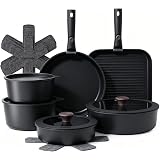
Now retrieving an image set.
SENSARTE 17 Piece Nonstick Detachable Handle Pots and Pans Set Black | Removable Handle Cookware Set, Induction Cookware Set with Removable Handle, Healthy Non Stick for RV, Dishwasher & Oven Safe
$79.99 (as of October 16, 2026 19:09 GMT +00:00 - More infoProduct prices and availability are accurate as of the date/time indicated and are subject to change. Any price and availability information displayed on [relevant Amazon Site(s), as applicable] at the time of purchase will apply to the purchase of this product.)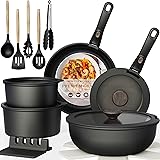
Now retrieving an image set.
Astercook 21 Pcs Pots and Pans Set Non Stick, Ceramic Cookware Set Detachable Handle, RV Kitchen Cooking Set Removable Handles, Oven Safe, Induction Ready, Stackable, Black, Fathers Day Gift for Men
$59.99 (as of October 16, 2026 19:09 GMT +00:00 - More infoProduct prices and availability are accurate as of the date/time indicated and are subject to change. Any price and availability information displayed on [relevant Amazon Site(s), as applicable] at the time of purchase will apply to the purchase of this product.)To accurately assess costs, keep a detailed ledger of expenses related to your cookware over a year. Include purchase prices, replacement costs, maintenance supplies like cleaning agents or re-seasoning oils, and energy consumption during cooking. This comprehensive view helps you make smarter choices aligned with your budget and culinary goals.
Assessing Your Cooking Needs and Lifestyle
Before investing in high-end cookware, evaluate your cooking habits and lifestyle. Do you often prepare large family meals that require durable, heavy-duty pots? Or do you prefer quick, simple dishes that need lightweight pans? For instance, if you frequently cook stews or roasts, a Dutch oven or heavy-duty stockpot might be a worthwhile investment. Conversely, if you mostly prepare salads and sandwiches, a set of quality non-stick frying pans could suffice.
Consider your kitchen space as well. If you have limited storage, opting for multi-purpose pieces like a versatile cast iron skillet that can go from stovetop to oven might be more economical than owning several specialized pots and pans.
Furthermore, think about your willingness to maintain your cookware. Some materials like cast iron require regular seasoning and careful cleaning, while others like stainless steel are more forgiving. Matching your cookware choices to your lifestyle ensures you get the most value without unnecessary frustration or expense.
Making Smart Purchasing Decisions
When shopping for nice cookware, research brands known for quality and longevity. For example, brands like All-Clad, Le Creuset, and Lodge have established reputations for durability and performance. Look for warranties that cover manufacturing defects—these can save you money in the long run.
Compare prices across different retailers and consider buying during sales or holiday promotions. Sometimes, purchasing a complete set can be more economical than buying individual pieces over time. However, prioritize quality over quantity; a few well-made pieces will serve you better than a large collection of cheap pots that need frequent replacement.
Read customer reviews and expert opinions to gauge real-world performance. For example, reviews often highlight how well a pan heats evenly or how easy it is to clean—factors that directly impact long-term satisfaction and costs.
Additionally, consider second-hand options from reputable sources or local thrift stores. Many high-quality vintage pieces can be purchased at a fraction of the retail price and still offer excellent performance if properly restored.
Calculating the Cost-Per-Use
A practical way to evaluate whether a piece of cookware is worth its price is to calculate its cost-per-use (CPU). To do this, divide the purchase price by the estimated number of times you expect to use it over its lifespan.
- A $200 Dutch oven that you use twice a week for 10 years (520 uses per year x 10 years = 5,200 uses) results in a CPU of approximately $0.04 per use.
- Contrast: A $50 non-stick pan used once a week for 2 years (104 uses) results in about $0.48 per use.
This calculation highlights how investing in higher-quality cookware can significantly reduce your per-use costs over time. It also encourages thoughtful purchasing—favoring pieces that will see frequent use and last many years.
Maintaining Your Cookware for Longevity
Proper maintenance is key to making your cookware work in real life without constantly replacing it. For example:
- Cast Iron: Keep it seasoned with regular oiling after cleaning to prevent rust and maintain non-stick properties. Avoid soaking in water or using harsh detergents.
- Stainless Steel: Use baking soda or specialized cleaners to remove stains and restore shine. Avoid metal utensils that can scratch surfaces.
- Copper: Regularly polish with copper cleaner to maintain its appearance and prevent tarnishing.
- Non-stick pans: Use wooden or silicone utensils to prevent scratching the coating. Replace when the non-stick surface begins to peel or flake.
Investing time in proper care extends the lifespan of your cookware, reducing replacement costs and ensuring consistent cooking results.
Energy Efficiency and Cost Savings
Choosing cookware that heats evenly and retains heat well can lead to significant energy savings. For instance, thick-bottomed stainless steel or cast iron pans distribute heat more uniformly, reducing cooking time and energy consumption. This not only lowers utility bills but also minimizes wear on your stove or oven.
Additionally, using lids properly traps heat and moisture, further decreasing cooking times. For example, simmering a stew with a tight-fitting lid can cut energy use by up to 25% compared to leaving it uncovered.
Long-Term Financial Planning for Cookware
Developing a long-term plan for your cookware investments involves setting aside funds for replacements and upgrades. Consider creating a dedicated savings account or budget line item for future purchases based on the expected lifespan of your current pieces.
This proactive approach prevents sudden financial strain when a favorite pan wears out unexpectedly. For example, replacing a high-quality sauté pan every 10-15 years might require saving around $20-$30 annually if the pan costs $300 initially.
By planning ahead, you ensure continuous access to reliable cookware without sacrificing quality or breaking your budget.
Conclusion: Turning Costing into an Advantage
Mastering the art of costing in relation to nice cookware involves understanding true expenses, assessing personal needs, making informed purchases, maintaining equipment properly, and planning financially for the future. When approached thoughtfully, investing in quality cookware becomes not just an expense but an opportunity to elevate your cooking experience while saving money over time.
Remember that the goal is not only to buy expensive pots and pans but to select pieces that fit your lifestyle, last for decades, and enhance your culinary creativity. With these practical steps, you’ll turn costing into an advantage—making every dollar spent on your cookware work harder for you in the kitchen.
Popular Questions
What is the average cost of high-quality cookware?
The best way to improve Make Costing an of Nice Cookware Work in Real Life is to define one clear objective, identify the main obstacle, and make one targeted change at a time. Focus on the basics first, measure the result, and avoid broad resets until you know what actually caused the improvement. In most situations, consistent small corrections outperform dramatic overhauls because they make the process easier to test and repeat. That gives you a more reliable path to stronger long-term results.
Are expensive cookware sets worth the investment?
Expensive cookware sets are often worth the investment because they tend to be made from superior materials that last longer and distribute heat more evenly. They also usually come with better craftsmanship and warranties. However, it’s important to consider your cooking needs and budget before making a purchase.
How much should I expect to pay for a single high-end pan?
The best way to improve Make Costing an of Nice Cookware Work in Real Life is to define one clear objective, identify the main obstacle, and make one targeted change at a time. Focus on the basics first, measure the result, and avoid broad resets until you know what actually caused the improvement. In most situations, consistent small corrections outperform dramatic overhauls because they make the process easier to test and repeat. That gives you a more reliable path to stronger long-term results.