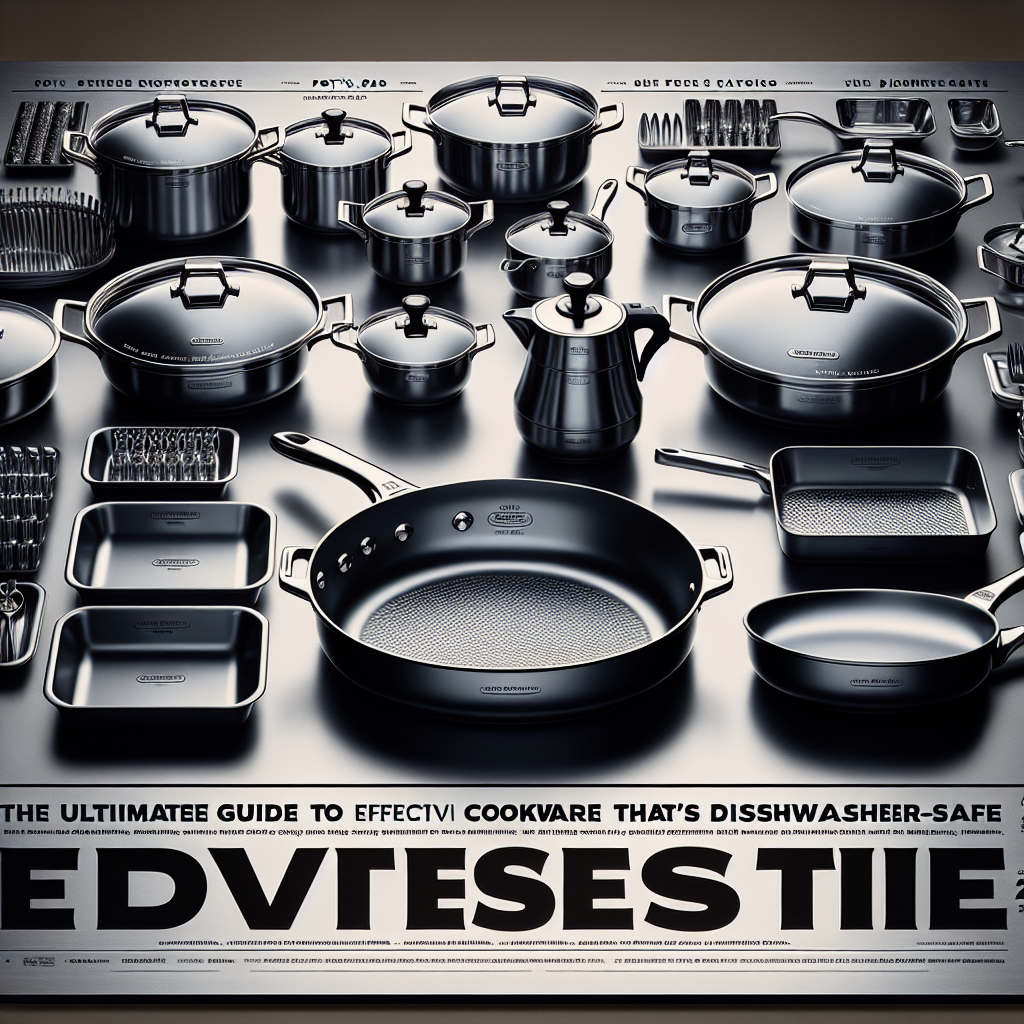
Quick Take: To care for and clean nice cookware properly, always allow it to cool before washing to prevent warping. Use warm water and a gentle sponge or cloth with mild dish soap, avoiding abrasive cleaners that can damage surfaces. For stubborn stains or stuck-on food, soak the cookware in warm soapy water before gently scrubbing. Dry thoroughly after washing to prevent rust or water spots, and periodically season or oil cookware like cast iron to maintain its non-stick surface.
Contents
- How to Properly Care for and Clean Nice Cookware
- Understanding Your Cookware Material
- General Tips for All Types of Cookware
- Cleaning Techniques for Different Types of Cookware
- Special Tips for Maintaining High-End Cookware
- Storage Tips to Prevent Damage
- When to Seek Professional Help
- Conclusion
- Questions You Might Have
- What are the best materials for nice cookware?
- How do I care for and maintain nice cookware?
- What features should I look for in high-quality cookware?
How to Properly Care for and Clean Nice Cookware
Caring for nice cookware is an art that combines patience and attention to detail, ensuring your investment remains in pristine condition for years to come. When cleaning, it’s essential to let the cookware cool completely before washing, as sudden temperature changes can cause warping or damage. Using warm water and a soft sponge with mild dish soap helps preserve delicate surfaces, while abrasive cleaners are best left on the shelf. For stubborn stains or stuck-on bits, a gentle soak in warm, soapy water often does the trick, followed by thorough drying to prevent rust or water spots. Regularly seasoning cast iron or oiling other types of cookware can also help maintain their non-stick qualities and extend their lifespan.
Understanding Your Cookware Material
Before diving into cleaning techniques, it’s important to recognize the material of your cookware, as different types require different care approaches:
- Stainless Steel: Durable, resistant to rust and staining, ideal for searing and boiling. Requires regular cleaning to prevent discoloration and maintain shine.
- Cast Iron: Known for excellent heat retention and seasoning potential. Needs special cleaning to preserve its non-stick surface and prevent rust.
- Non-Stick: Features a synthetic coating that prevents food from sticking. Sensitive to abrasive cleaners and metal utensils.
- Copper: Offers superior heat conduction and a beautiful appearance. Needs gentle cleaning to maintain its luster and prevent tarnishing.
General Tips for All Types of Cookware
Regardless of the material, some universal tips can help keep your cookware in top shape:
Some suggestions to consider!
Now retrieving an image set.
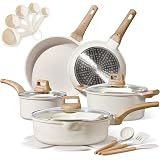
CAROTE 20pcs Pots and Pans Set, Nonstick Cookware Sets | Induction Cooking, Ultra Durable, Easy to Clean, Even Heating, All-Stovetop Compatible, PFOA-Free Kitchen Set
$69.99 (as of October 22, 2026 19:19 GMT +00:00 - More infoProduct prices and availability are accurate as of the date/time indicated and are subject to change. Any price and availability information displayed on [relevant Amazon Site(s), as applicable] at the time of purchase will apply to the purchase of this product.)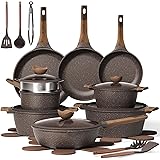
Now retrieving an image set.
CAROTE 26pcs Pots and Pans Set Non Stick Cookware Sets | Induction Kitchen Cooking Set, Special Texture Design, Ultra Durable, Easy Food Release, Even Heating, with Frying Pans Set
$139.98 (as of October 22, 2026 19:19 GMT +00:00 - More infoProduct prices and availability are accurate as of the date/time indicated and are subject to change. Any price and availability information displayed on [relevant Amazon Site(s), as applicable] at the time of purchase will apply to the purchase of this product.)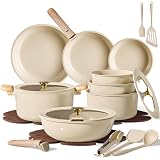
Now retrieving an image set.
CAROTE 25pcs Ceramic Cookware Set, Pots and Pans Set with Detachable Handle | Non-Stick, Non-Toxic, PFAS Free, Induction Compatible, Dishwasher & Oven Safe, Kitchen Organization, for Camping/RV/Gifts
$119.99 (as of October 22, 2026 19:19 GMT +00:00 - More infoProduct prices and availability are accurate as of the date/time indicated and are subject to change. Any price and availability information displayed on [relevant Amazon Site(s), as applicable] at the time of purchase will apply to the purchase of this product.)- Always allow cookware to cool before cleaning: Sudden temperature changes can cause warping or damage, especially with glass or non-stick surfaces.
- Use appropriate utensils: Wooden, silicone, or plastic utensils prevent scratching delicate surfaces like non-stick coatings.
- Avoid harsh abrasives: Steel wool or abrasive powders can scratch surfaces, leading to deterioration over time.
- Dry thoroughly after washing: Moisture can cause rust (especially in cast iron) or water spots on stainless steel.
Cleaning Techniques for Different Types of Cookware
Stainless steel is prized for its sleek appearance and durability. To keep it looking shiny and new:
- Routine cleaning: Use warm water, mild dish soap, and a soft sponge or cloth. For stubborn stains or burnt-on food, soak the cookware in warm soapy water for 15-20 minutes before scrubbing gently.
- Removing water spots and discoloration: Create a paste of baking soda and water, apply it to the surface, and gently scrub with a non-abrasive pad. Alternatively, use a commercial stainless steel cleaner for a polished finish.
- Polishing tips: For extra shine, buff with a microfiber cloth after cleaning. Vinegar rinses can also help restore luster by removing mineral deposits.
Cast Iron Cookware
Proper care of cast iron is crucial to maintain its seasoning and prevent rust:
- Cleaning after use: Wipe out excess food with a paper towel or rinse with hot water. Avoid soap unless necessary; if used, re-season immediately.
- Removing stuck-on food: Use coarse salt as an abrasive scrub along with a paper towel or brush. Rinse with hot water afterward.
- Drying and seasoning: Always dry thoroughly with a towel or on low heat on the stove. Apply a thin layer of vegetable oil or shortening before storing to maintain the seasoning layer and prevent rust.
- Preventing rust: Store in a dry place, and consider placing a paper towel inside to absorb moisture.
Non-stick pans require gentle handling to prolong their lifespan:
- Cleaning: Use warm water, mild dish soap, and a soft sponge or cloth. Avoid metal utensils that can scratch the coating.
- Removing stubborn stains: Soak in warm soapy water if needed. For baked-on residue, simmer a mixture of water and vinegar in the pan for a few minutes before cleaning.
- Maintenance tips: Never use abrasive cleaners or metal scrubbers. Refrain from cooking on high heat for extended periods to preserve the coating.
Copper’s beauty makes it a favorite among professional chefs and home cooks alike. To keep it looking its best:
- Cleaning tarnish: Use a copper-specific cleaner or a homemade paste of lemon juice and salt. Rub gently with a soft cloth until tarnish lifts.
- Polishing: Regularly polish with a copper polish or a mixture of vinegar, salt, and flour for a natural shine.
- Preventing tarnish: Store in a dry place or hang it to avoid moisture buildup that accelerates tarnishing.
Special Tips for Maintaining High-End Cookware
If you own premium cookware such as enameled cast iron or handcrafted copper pieces, additional care is necessary:
- Enameled Cast Iron: Avoid metal utensils that can chip the enamel. Use gentle cleaning methods like warm water and soft brushes. For stubborn stains, a paste of baking soda and water works well without damaging the surface.
- Handcrafted Copper: Regular polishing preserves its appearance. Avoid dishwasher cleaning as it can cause discoloration over time.
Storage Tips to Prevent Damage
The way you store your cookware can significantly impact its longevity:
- Avoid stacking heavy pots directly on top of delicate surfaces: Use protective pads or cloths between items to prevent scratches.
- Hang copper or cast iron cookware: This not only preserves their finish but also keeps them accessible for quick use.
- Keep dry storage areas: Moisture promotes rust in cast iron and tarnishing in copper. Ensure all cookware is thoroughly dry before storing.
When to Seek Professional Help
If your cookware develops persistent stains, discoloration, or damage beyond routine cleaning, consider consulting professionals. For example, restoring heavily tarnished copper or repairing chipped enamel may require specialized services. Regular maintenance can often prevent these issues from escalating.
Conclusion
Caring for high–quality cookware requires attention to detail and understanding of each material’s unique needs. By following these specific cleaning techniques and storage tips, you can preserve the beauty, functionality, and safety of your cookware for many years. Remember that patience and gentle handling are key—your investment in premium cookware deserves nothing less than meticulous care.
If you want more detailed advice tailored to your specific cookware type or brand, consult manufacturer instructions or professional cleaning services specializing in high-end kitchenware. Proper maintenance not only enhances your cooking experience but also ensures your cookware remains a beautiful and functional part of your culinary arsenal for generations to come.
Questions You Might Have
What are the best materials for nice cookware?
High-quality cookware is often made from materials like stainless steel, cast iron, copper, and anodized aluminum. Each material offers unique benefits, such as excellent heat retention or durability. Choosing the right material depends on your cooking style and preferences for maintenance and performance.
How do I care for and maintain nice cookware?
Proper care varies by material but generally includes avoiding metal utensils on non-stick surfaces, hand washing when recommended, and regular seasoning of cast iron. Keeping cookware dry and storing it properly can extend its lifespan. Following manufacturer instructions ensures your cookware remains in top condition.
What features should I look for in high-quality cookware?
Look for even heat distribution, sturdy handles, and compatible lids. Non-reactive surfaces are important for preserving flavors, especially in stainless steel or ceramic cookware. Additionally, consider the cookware’s weight and ease of cleaning to ensure it fits your cooking needs.