
Instant Insight: To maintain quality cookware, always clean it promptly after use with gentle, non-abrasive cleaners to prevent damage. Avoid overheating empty pots or pans, as this can warp or degrade the material. Use appropriate utensils to prevent scratches and preserve the surface, especially for non-stick coatings. Regularly inspect for signs of wear or damage and follow manufacturer care instructions to extend the lifespan of your cookware.

Contents
- Top Tips for Maintaining Your Quality Cookware Effectively
- Understanding Your Cookware Materials
- Proper Cleaning Techniques for Different Cookware Types
- Seasoning and Restoring Your Cast Iron and Carbon Steel Cookware
- Preventing Damage and Wear
- Storing Your Cookware Properly
- Regular Maintenance Routines
- Additional Tips for Specific Cookware Types
- Conclusion: Invest in Quality Maintenance for Long-Term Benefits
- Frequently Asked Questions
- What are the most durable materials for quality cookware?
- How can I tell if cookware is of high quality?
- What are the benefits of non-stick cookware compared to traditional options?
Top Tips for Maintaining Your Quality Cookware Effectively
Maintaining your quality cookware is essential to ensuring it performs at its best for years to come, and the key lies in mindful care. A quick, gentle cleaning after each use helps preserve the integrity of the surface, especially for delicate non-stick coatings, while avoiding harsh abrasives prevents scratches that can compromise performance. Overheating empty pots or pans can warp their shape and weaken the material, so controlling heat is just as important as proper cleaning. Using the right utensils not only protects the finish but also extends the lifespan of your investment, making every meal preparation a seamless experience. Paying close attention to signs of wear and following manufacturer instructions can turn routine maintenance into a simple ritual that keeps your cookware in prime condition.
Understanding Your Cookware Materials
Before diving into maintenance routines, it’s essential to understand the specific materials your cookware is made of, as each type requires different care techniques. For example, stainless steel is durable and resistant to rust but can develop discoloration if not cleaned properly. Non-stick pans need gentle handling to preserve their coating, while cast iron requires seasoning and rust prevention. Ceramic cookware is prone to chipping if mishandled but offers excellent non-stick properties when maintained correctly.
Some suggestions to consider!

Now retrieving an image set.
SODAY Pots and Pans Set Non Stick, 12Pcs Black Granite Induction Cookware | PFAS/PFOA/PFOS Free, Healthy Nonstick Kitchen Cookware Sets, Includes Fry Pans & Saucepans.
$59.99 (as of October 24, 2026 19:20 GMT +00:00 - More infoProduct prices and availability are accurate as of the date/time indicated and are subject to change. Any price and availability information displayed on [relevant Amazon Site(s), as applicable] at the time of purchase will apply to the purchase of this product.)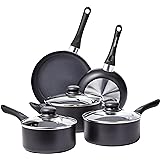
Now retrieving an image set.
Amazon Basics Non-Stick Kitchen Cookware 8-Piece Set, Non-Induction, Includes Pots and Pans, Black
$63.99 (as of October 24, 2026 19:20 GMT +00:00 - More infoProduct prices and availability are accurate as of the date/time indicated and are subject to change. Any price and availability information displayed on [relevant Amazon Site(s), as applicable] at the time of purchase will apply to the purchase of this product.)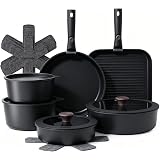
Now retrieving an image set.
SENSARTE 17 Piece Nonstick Detachable Handle Pots and Pans Set Black | Removable Handle Cookware Set, Induction Cookware Set with Removable Handle, Healthy Non Stick for RV, Dishwasher & Oven Safe
$79.99 (as of October 24, 2026 19:20 GMT +00:00 - More infoProduct prices and availability are accurate as of the date/time indicated and are subject to change. Any price and availability information displayed on [relevant Amazon Site(s), as applicable] at the time of purchase will apply to the purchase of this product.)Proper Cleaning Techniques for Different Cookware Types
- Stainless Steel: After cooking, soak the pots and pans in warm soapy water for a few minutes to loosen food residues. Use a non-abrasive scrubber or a soft sponge to clean the surface thoroughly. For stubborn stains or discoloration, create a paste of baking soda and water, apply it to the affected area, and scrub gently. Rinse well and dry immediately to prevent water spots.
- Non-Stick Pans: Always use soft sponges or cloths with mild dish soap. Avoid abrasive scrubbers like steel wool, which can scratch the coating. For stuck-on food, soak the pan in warm soapy water for 15-20 minutes before gently wiping away residues. Never put non-stick pans in the dishwasher unless specified by the manufacturer, as high heat and harsh detergents can degrade the coating over time.
- Cast Iron: Clean cast iron with hot water and a stiff brush immediately after use. Avoid using soap unless necessary, as it can strip seasoning. For stubborn food, sprinkle coarse salt into the pan and scrub with a paper towel or brush. Rinse thoroughly and dry completely to prevent rusting. Occasionally, apply a thin layer of vegetable oil to maintain seasoning.
- Ceramic Cookware: Wash with warm water and a soft sponge. For tough stains or residue, use a mixture of baking soda and water or a gentle ceramic-safe cleaner. Avoid metal utensils that can chip the ceramic surface. Dry thoroughly to prevent water spots and potential cracking.
Seasoning and Restoring Your Cast Iron and Carbon Steel Cookware
Proper seasoning is crucial for cast iron and carbon steel pans to develop a natural non-stick surface and prevent rust. To season your cast iron:
- Preheat your oven to 375°F (190°C).
- Wash the pan with warm water and mild soap to remove any factory coating or rust.
- Dry thoroughly with a towel or by heating on the stove.
- Apply a thin layer of vegetable or flaxseed oil all over the pan, including the handle.
- Place the pan upside down in the oven with a sheet of aluminum foil on the rack below to catch drips.
- Bake for about an hour, then turn off the oven and let the pan cool inside.
This process creates a durable, non-stick surface that improves with regular use. To restore a rusty cast iron skillet, scrub off rust with steel wool, rinse, dry thoroughly, and re-season following the steps above.
Preventing Damage and Wear
- Avoid Metal Utensils: Use wooden, silicone, or plastic utensils with non-stick and ceramic cookware to prevent scratching and coating degradation.
- Use Appropriate Heat Settings: High heat can warp or damage some materials like non-stick coatings or ceramic surfaces. Use medium or low heat for most cooking tasks unless high heat is specifically recommended.
- Handle with Care: Lift rather than slide cookware across surfaces to prevent scratches. Be gentle when cleaning delicate surfaces.
- Avoid Thermal Shock: Do not pour cold water into hot cookware, especially cast iron or ceramic, as this can cause cracking or warping.
Storing Your Cookware Properly
Proper storage prevents scratches, warping, and other damage. Here are some tips:
- Stack Carefully: Place soft cloths or paper towels between stacked pots and pans to prevent scratches.
- Use Racks or Hooks: Hang pots and pans on sturdy hooks or racks to save space and avoid stacking heavy items on top.
- Avoid Overcrowding: Give your cookware enough space to prevent dents and scratches.
- Store in a Dry Environment: Keep cookware in a dry place to prevent rust, especially for cast iron and carbon steel pans.
Regular Maintenance Routines
Establishing routine maintenance ensures your cookware remains in top condition:
- Weekly Deep Cleaning: For cast iron, reapply seasoning if needed; for stainless steel, remove discoloration; for ceramic and non-stick pans, check for scratches or chips.
- Monthly Inspection: Look for signs of wear such as peeling coatings or rust spots. Address issues promptly by cleaning or re-seasoning.
- Annual Re-Seasoning: Re-season cast iron and carbon steel pans annually or as needed to maintain their non-stick properties.
Additional Tips for Specific Cookware Types
Stainless Steel
To achieve a shiny, streak-free finish after cleaning, use a mixture of vinegar and water or specialized stainless steel cleaner. For stubborn stains, boiling a mixture of water and baking soda inside the pan can loosen residues. Always dry immediately to prevent water spots and rust formation.
Non-Stick Pans
If your non-stick pan starts to lose its coating or shows signs of peeling, consider replacing it. To prolong its life:
- Avoid cooking sprays that can leave residues buildup.
- Use wooden or silicone utensils instead of metal ones.
- Cook on medium or low heat to prevent coating degradation.
Ceramic Cookware
Ceramic coatings are sensitive to sudden temperature changes. Always preheat gradually and avoid overheating. When cleaning, steer clear of abrasive cleaners that can scratch the surface. If chips appear, consider replacing the cookware to avoid contamination of food with ceramic particles.
Cast Iron & Carbon Steel
The key to longevity is consistent seasoning and avoiding rust. After each use, clean thoroughly, dry completely, and apply a light coat of oil before storing. If you notice rust spots, scrub them off with steel wool and re-season immediately.
Conclusion: Invest in Quality Maintenance for Long-Term Benefits
Maintaining your high-quality cookware is an investment that pays off through improved cooking performance, safety, and durability. By understanding the specific needs of each material—whether stainless steel, non-stick, cast iron, or ceramic—you can tailor your cleaning routines and storage practices accordingly. Regular maintenance routines like seasoning cast iron pans, avoiding metal utensils on delicate surfaces, and proper storage will keep your cookware looking new and functioning optimally for years to come. Remember that patience and gentle handling are key components of effective cookware care. With these expert tips in mind, you’ll enjoy delicious meals prepared with well-maintained tools that stand the test of time.
Popular Questions
What is the fastest way to improve Top Tips for Maintaining Your Quality Cookware Effectively without making beginner mistakes?
The fastest way to improve Top Tips for Maintaining Your Quality Cookware Effectively is to simplify the process and control one variable at a time. Start with the most important baseline: define the goal, identify the main failure point, and test one change before making another. Keep short notes so you can connect the outcome to the adjustment you made. This prevents guesswork and helps you build a repeatable method instead of chasing random fixes.
What should you check first when Top Tips for Maintaining Your Quality Cookware Effectively is not working well?
Check the most immediate bottlenecks first: setup errors, missing inputs, bad timing, or inconsistent follow-through. Before buying anything new or changing the whole system, confirm that the basics are being done correctly and consistently. A small diagnostic checklist usually reveals the real problem faster than broad trial and error. Once the weak point is clear, make one correction and watch the result before adjusting anything else.
What common mistakes make Top Tips for Maintaining Your Quality Cookware Effectively harder than it needs to be?
The most common mistakes are changing too many variables at once, skipping the basics, and judging results too quickly. Many people also copy generic advice without adapting it to their exact situation, which leads to weak results and confusion. A better approach is to work from a simple baseline, make measured changes, and give each change enough time to show whether it helped. That makes progress easier to track and repeat.